
A young woman discovers her boyfriend’s repeated online affairs and faces accusations of being controlling when she confronts him about his betrayals. The cycle of blame and guilt leaves her questioning the future of their relationship.
He cheats, then says it’s your fault. That’s when trust in a relationship doesn’t just break—it gets twisted. The betrayal is bad enough, but being blamed for it adds another layer. Suddenly, the person you trusted most is recasting you as the problem to dodge responsibility.
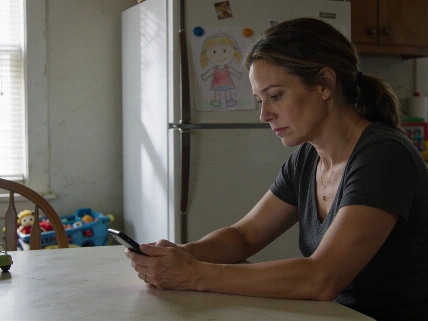
Take Danielle, a 20-year-old who’s been with her boyfriend for three years. She finds messages between him and another woman, then discovers he’s been talking to several others online. When she brings it up, he turns it around: he’s angry at her for being “controlling,” and says her anxiety is the real issue. This isn’t a one-off. Every time she forgives him, he repeats the behavior, then insists her watchfulness is why he cheats.
In Western Australia, coercive control is officially recognized as a pattern of abusive behavior that strips a person of their freedom and independence, including isolation, surveillance, and psychological pressure.
This isn’t just about cheating. It’s about what happens when your pain gets dismissed and you’re told you’re the problem. After trust is broken, it’s normal to feel anxious or suspicious. But when one partner refuses to take responsibility, the other is left with the fallout—and often, the guilt.
Psytheater.com notes that wanting to check up on a partner after they’ve broken your trust isn’t a sign of being controlling. It’s a reaction to being hurt. But when the person who cheated demands “no control,” they’re often avoiding the real issue: they don’t want to do the work to rebuild trust. Cheating is always a choice, and the responsibility for it belongs to the person who made that choice. Insecurity or conflict doesn’t excuse it.
Some countries have started to address these patterns in law. In the UK, Section 76 of the Serious Crime Act 2015 makes "controlling or coercive behaviour" a criminal offense if it’s repeated, affects people who are personally connected, and causes serious harm. The Domestic Abuse Act 2021 strengthened these rules, recognizing that psychological abuse can be as damaging as physical violence, according to a JMW Solicitors legal analysis.
Coercive control is described in Western Australian government materials as a way to maintain power and control through a series of repeated abuses, rather than a single conflict or misunderstanding in a relationship.
Danielle’s boyfriend says he cheated because he was “uncertain” about the relationship. But uncertainty isn’t an excuse for betrayal. If you’re unsure, you can talk, negotiate, or leave. Blaming a partner for your own cheating is a way to avoid facing what you’ve done—and it leaves the other person doubting themselves.
Forgiveness, in this situation, can become a trap. Each time Danielle forgives him, she’s not just letting go of anger—she’s taking on the blame he won’t accept. The cycle of betrayal, guilt, and making up becomes exhausting. As reported earlier, self-blame after a breakup is common, but misplaced guilt only makes things worse.
So what now? Can you love someone who keeps making the same choice to hurt you? The answer isn’t in his promises or her forgiveness, but in what actually happens. Love doesn’t mean accepting repeated harm. If one person won’t change, the other has to decide what they’re willing to live with—and what they’re not.
When a relationship turns into a loop of betrayal and blame, it’s time to step back and ask: What boundaries do I want? Am I willing to stay with someone who won’t take responsibility? The real work isn’t about controlling someone else—it’s about reclaiming your own sense of worth. In the end, the only control you have is over your own choices, not someone else’s excuses.
Emotional boundaries are the lines that protect your sense of self in a relationship. When those lines keep getting crossed—by cheating, gaslighting, or blame-shifting—the result is often anxiety, self-doubt, and exhaustion. Therapy approaches like emotionally focused therapy and schema therapy can help people spot unhealthy patterns, rebuild trust in themselves, and set limits that respect their own needs. It’s not easy, but it’s the groundwork for any relationship based on respect instead of manipulation.