
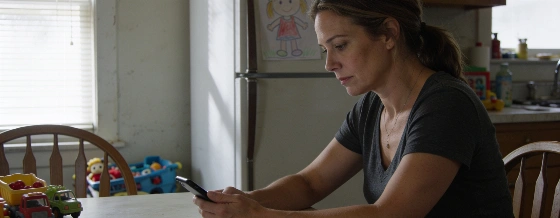
A woman faces years of surveillance and manipulation from her husband before choosing divorce. Experts explain why emotional swings keep victims trapped and how to rebuild confidence after leaving a controlling relationship.
It might start with a slap, a demand to quit your job, or an accusation that you’re the problem. But the real shock often comes after you finally say you’re done—when the person who once controlled your every move suddenly swings between desperate affection and cold dismissal. For many women, the hardest part of leaving an abusive marriage isn’t the violence or the control. It’s the emotional whiplash that follows: the cycle of “I love you” and “You’re nothing,” which leaves you doubting your own reality.
Lisa (not her real name) spent nearly ten years living by her husband’s rules. He tracked her calls, criticized her opinions, and pushed her to give up her career. When she tried to stand up for herself, he answered with sarcasm, isolation, and eventually, physical aggression. The message was clear: her worth depended on staying quiet and doing what she was told. Once she filed for divorce, the emotional swings only got worse. One day he praised her and made promises; the next, he ignored her or accused her of betrayal. The pattern never changed, and it wore her down.
In Massachusetts, from September 18, 2024, coercive control will be legally recognized as a form of abuse, defined as a pattern of behavior used to intimidate, isolate, and force compliance.
Why do people stay stuck in these cycles? Clinical psychologists point to psychological dependency. Abusive relationships often run on intermittent reinforcement—periods of warmth and affection mixed with criticism, threats, or withdrawal. This unpredictability wires the brain to crave the next “good” phase, even as the “bad” phases become more common. Over time, victims start to question their own judgment, wondering if they’re overreacting or if the abuser’s version of events is right.
Years of gaslighting and blame chip away at self-trust. When someone keeps telling you your feelings are wrong or your memories are faulty, it’s easy to lose confidence in your own perceptions. The fear of being alone, mixed with the hope that things might get better if you just try harder, keeps many people from leaving. As reported earlier, this dynamic is especially common when one partner uses both affection and cruelty to stay in control.
Legal definitions of coercive control are changing in many places. In California, Family Code § 6320(c) describes coercive control as a pattern of behavior that unreasonably restricts a person’s free will and personal liberty, including isolation, control of movement, communications, and finances. Starting January 1, 2026, this law will also cover abuse carried out through smart-home and internet-connected devices, reflecting the growing awareness of digital forms of control, as detailed in a California legal update.
The Domestic Abuse Act 2021 in the UK explicitly includes not only physical and sexual violence, but also controlling or coercive behaviour, economic abuse, and psychological or emotional abuse. The law covers both single incidents and patterns of behavior.
Divorce, even when necessary, brings its own challenges. Ending a long-term relationship means losing not just a partner, but also the future you pictured together. For many, the pain of separation is tangled up with guilt, shame, and the nagging suspicion that maybe the abuser was right all along. These feelings are common, but they’re also the result of years spent in a distorted reality.
How do you break the cycle? Therapists suggest grounding yourself in facts, not feelings. Write down the specific behaviors—surveillance, isolation, physical aggression—that led you to leave. Remind yourself that pain isn’t proof of love; it’s often just the residue of habit and trauma bonding. Let yourself grieve, but don’t confuse grief with a reason to go back. Put your energy into activities that help you regain a sense of control: exercise, creative hobbies, time with supportive friends. Limit contact with your ex, and seek professional help if you find yourself slipping into old patterns.
Healthy relationships are built on mutual respect and open communication, not silence and submission. If you find yourself missing the “good times” that only happened when you kept quiet, ask yourself what kind of future you want—and what you’re willing to leave behind to get there. The path out of emotional dependency is rarely smooth, but it is possible. The first step is refusing to let your worth depend on someone else’s approval.
EMDR therapy, or Eye Movement Desensitization and Reprocessing, is one evidence-based approach for people recovering from trauma and emotional abuse. This therapy helps clients process distressing memories and reduce their emotional charge, making it easier to break free from cycles of self-doubt and fear. While not a quick fix, EMDR and other trauma-informed therapies can help survivors rebuild trust in themselves and form healthier patterns in future relationships.