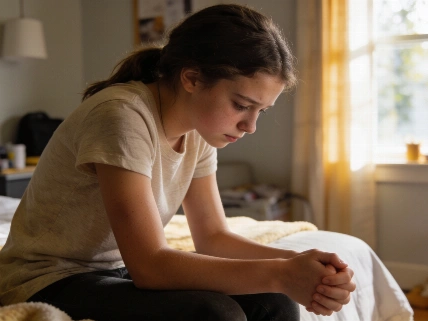
A young mother faces repeated abandonment by her husband, who demands she suppress her emotions. The cycle leaves her struggling with anger, grief, and fear of raising a child alone
After an unexpected pregnancy with a man she once dated, Anna thought she was building a family. He returned to her life promising commitment, and within months, they were married and expecting. But as soon as she came home from the hospital with their newborn, the atmosphere shifted. Instead of support, she found herself alone—her husband withdrawing, avoiding home, and shutting down emotionally. The warmth she counted on vanished, replaced by cold distance and silence.
Arguments became routine. Anna’s tears and frustration were met with ultimatums: her husband would pack his bags and leave, sometimes for weeks or months, each time blaming her for being “too emotional.” He insisted she not show anger, threatening to leave if she did. Even after family therapy and his promises to change, the cycle repeated. Eventually, Anna decided she could no longer tolerate the instability or the demand to suppress her feelings. She chose to raise her child alone, but the emotional fallout—grief, resentment, and fear of being “a single mom with baggage”—remained.
According to Psytheater.com, Anna’s experience is not rare. Many women in similar situations struggle with the pressure to hide their emotions to keep a partner from leaving. This dynamic can create a damaging pattern of self-blame and emotional isolation, especially when children witness the instability. The fear of loneliness and stigma around single motherhood can make it even harder to break free from unhealthy cycles. As Anna’s story shows, the emotional toll is real, and the path forward is rarely simple.
Experts recommend allowing yourself to feel and express emotions, rather than bottling them up to appease someone else. Journaling, therapy, and physical activity can help process anger and sadness. Support groups for single mothers offer a space to share experiences and find solidarity. It’s also important to challenge internalized stigma—raising a child alone is not a failure, but a sign of resilience and strength. As Anna learned, the right partner will value her for who she is, not judge her for her past or her child.
For those questioning whether conflict means a relationship is doomed, it’s worth noting that even the happiest couples face disagreements. The difference lies in how partners handle those moments. As explored in this analysis of marital conflict, fighting itself isn’t the problem—emotional safety and mutual respect are what matter most.
Single-parent households are increasingly common in the U.S. According to the U.S. Census Bureau, about 23% of children under 18 live with one parent and no other adults. Research shows that children’s well-being depends less on family structure and more on the quality of relationships and emotional stability at home. Access to mental health support, community resources, and peer networks can significantly improve outcomes for both parents and children navigating these transitions.