

Even couples who seem perfect argue over small things. Does that mean all marriages are doomed to conflict, or is fighting just part of real intimacy
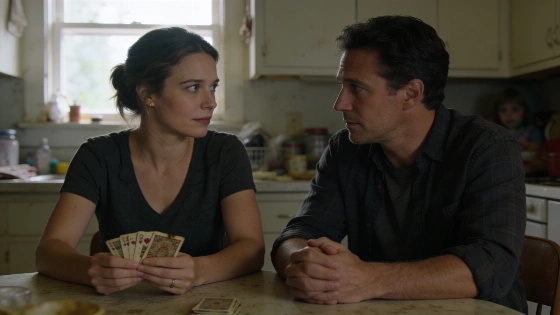
Fifteen years together, two kids, a house in the suburbs, and friends who call them “the couple everyone wants to be.” But last week, they had a blowout over a deck of playing cards. He borrowed her new solitaire set, returned it with the edges worn, and she was furious. Not a joke—this was a real fight, not a sitcom gag. If even the most stable marriages can unravel over something so minor, what does that say about the rest of us?
According to Psytheater.com, the myth of the “perfect couple” who never argues is just that—a myth. Couples who claim they never fight may be suppressing their needs, avoiding conflict at the cost of real connection. Sometimes, that avoidance builds up until the smallest spark—like a scuffed deck of cards—sets off a much bigger fire. Other couples, after years of trial and error, develop a kind of emotional fluency: they know each other’s triggers, have rules for disagreements, and can navigate conflict without letting it poison the relationship. But even these rare pairs aren’t immune to friction. The difference is how they handle it.
Belief in marriage doesn’t require believing in fairy tales. It means accepting that two people, no matter how compatible, will sometimes clash. Each brings their own history, quirks, and vulnerabilities. The healthiest marriages aren’t free of conflict—they’re built on the ability to talk about it, to listen, and to repair. That means learning to say, “I’m upset because this matters to me,” instead of, “You always do this.” It means picking the right moment to talk, not lashing out when you’re tired or hungry, and focusing on the specific issue instead of dredging up every past mistake.
It’s easy to panic when you see a couple you admire fighting over something trivial. But the presence of conflict isn’t a sign of failure. In fact, it can be a sign that both people care enough to be honest. The real danger is when partners stop fighting altogether—not because they’ve reached perfect harmony, but because they’ve given up on being heard. As one recent story about partners who pick fights for no clear reason shows, sometimes the urge to argue is a sign of deeper needs or fears that aren’t being addressed (read more here).
So what does “fighting well” look like? Experts suggest a few ground rules: choose your timing, use “I” statements instead of accusations, avoid sweeping generalizations, and don’t try to read your partner’s mind. If you’re too upset to talk, take a break. Listen to understand, not just to respond. Focus on solving the problem together, not on winning. And always try to reconnect after a tough conversation—whether that’s a hug, a joke, or just a quiet moment together. These habits don’t guarantee a conflict-free marriage, but they do make it possible to weather the storms without capsizing.
For those who want to dig deeper, books like “Hold Me Tight” by Sue Johnson and “Attached” by Amir Levine and Rachel Heller offer practical frameworks for understanding how couples can build lasting bonds, even when disagreements are part of the landscape.
Attachment theory has become a central lens for understanding why couples fight—and how they can repair. It suggests that our early experiences shape how we seek closeness, handle conflict, and respond to stress in relationships. Some people withdraw at the first sign of tension, while others pursue reassurance. Recognizing these patterns can help couples move from blame to curiosity, and from gridlock to growth. Therapy approaches like Emotionally Focused Therapy use these insights to help partners break old cycles and build new ways of connecting, even when the old wounds run deep.