
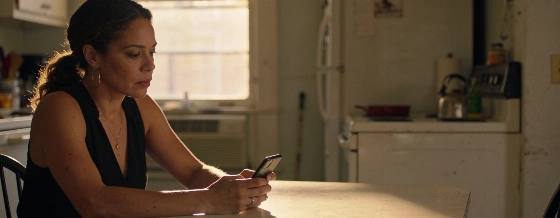
If your partner is glued to TikTok and tunes out your concerns, you may feel invisible and unsupported. This pattern can erode self-worth and leave you questioning the future of your relationship
When your partner spends every spare moment scrolling TikTok, it’s not just a minor annoyance. For many, it signals a deeper disconnect—one that leaves you feeling unseen and unimportant. According to Psytheater.com, this isn’t about casual distraction. It’s about emotional absence that can quietly undermine the foundation of a relationship.
People need to feel noticed and valued by those closest to them. When your attempts to talk about your day or your struggles are met with silence or a distracted “uh-huh,” it’s more than inattentiveness. It’s a form of emotional neglect. Over time, this pattern chips away at your sense of self and belonging, creating a kind of loneliness that’s especially painful when you’re not actually alone.
Social media platforms like TikTok are engineered to capture and hold attention. Competing with that is a losing battle. Hundreds of engineers have optimized these apps to be addictive, and no real-life partner can—or should—try to outshine them. The real question is whether your partner is willing to put down the phone and engage with you, even when it’s not convenient.
It’s tempting to try to win back attention by being more interesting or dramatic, but that approach rarely works. Instead, experts recommend a direct, calm conversation—at a time when your partner isn’t already absorbed in their phone. Explain how the constant distraction makes you feel, and ask for a real discussion about what’s happening between you. If your partner listens and makes an effort to change, there’s hope for rebuilding connection. If they dismiss your concerns or promise change but nothing shifts, you’re left with a hard truth: you can’t force someone to value your presence.
Repeated emotional neglect can lead to a sense of rejection that’s hard to shake. It’s not just about the phone; it’s about a pattern of choosing something—anything—over you. If this continues, it’s worth asking yourself whether you’re willing to accept this dynamic long-term. As explored in this analysis of what happens when expressing your needs doesn’t change your relationship, sometimes the most important decision is whether to stay or go.
Research from the Pew Research Center shows that 31% of U.S. adults in relationships say their partner is often distracted by their phone when they’re together. Among younger adults, the number is even higher. This trend has sparked a surge in couples seeking therapy for “technoference”—the intrusion of technology into personal relationships. Therapists report that persistent digital distraction is now a leading cause of emotional distance and conflict in American households.
Relationship experts emphasize that healthy boundaries around technology are essential for emotional intimacy. Setting aside device-free time, especially during meals or before bed, can help partners reconnect. But these changes require mutual commitment. If only one person is invested in change, the imbalance will persist. Ultimately, the willingness to prioritize each other over screens is a test of the relationship’s resilience—and its future.