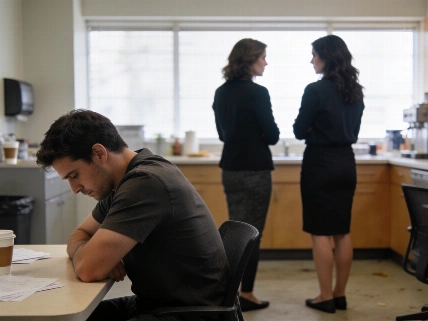
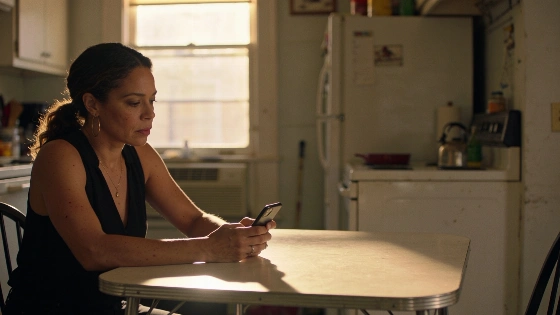
If your partner keeps ignoring your messages and only shows up when it suits him, you may wonder if expressing your feelings will ever make a difference
It’s a familiar story: you ask for more attention, more care, and your partner says he’s busy with work. But somehow, he finds time for everything else—except you. You wait for his texts, you hope for a call, but the pattern never shifts. He responds when it’s convenient, meets up once a week, and when you finally bring up your frustration, he acts like you’re making a scene out of nothing.
Many people in this situation try to communicate their needs using “I-statements,” hoping that calmly sharing their feelings will spark change. But what if nothing changes? According to Psytheater.com, the problem may not be your communication style. If you’ve already explained your feelings and needs, and your partner still doesn’t respond, the issue may be deeper than a misunderstanding.
Some relationships run on mismatched expectations. One person wants closeness and regular contact; the other is content with distance and minimal effort. When you try to talk about it, your needs get dismissed or minimized. You might even leave, hoping that will send a message. But when your partner returns, the cycle repeats—no real apology, no shift in behavior, just a reset to the same old script.
It’s easy to blame yourself for not being clear enough, or to believe that if you just found the right words, things would improve. But sometimes, the reality is that your partner is simply not willing—or able—to give you the level of attention and connection you want. That’s a hard truth to face, especially if you’re holding out hope for change.
So what can you do? Start by asking yourself some tough questions: Does this relationship, as it is, actually meet your needs? How long are you willing to wait for things to improve? Setting a clear timeline for yourself can help you avoid drifting in a state of false hope. If you keep moving the goalposts, you may end up stuck in a loop of disappointment.
Healthy relationships aren’t just about feelings—they’re about mutual willingness to listen, adapt, and find compromise. If your partner can’t meet you halfway, or even explain his limits, you’re left carrying the emotional load alone. That’s not sustainable, and it’s not fair.
Sometimes, the urge to pick fights or escalate conflict is a sign of deeper frustration with being ignored or dismissed. If you notice yourself starting arguments for reasons you can’t quite name, it may be worth exploring what’s really driving that behavior. For more on this dynamic, see this piece on why people sometimes start fights in relationships without knowing why.
If you’re struggling to get your needs met, it can help to read up on communication and conflict resolution. Three books worth considering: Daniel Shapiro’s “Negotiating the Nonnegotiable,” Mike Ennissly’s “Dealing with Difficult People,” and Olga Primachenko’s “With You, I’m Home.” Each offers a different angle on how to navigate tough conversations and emotional disconnects.
Ultimately, you can only control your own choices. If your partner isn’t willing to engage, you may need to decide whether this relationship is giving you what you need—or if it’s time to move on.
Attachment styles play a major role in how people connect and respond to each other’s needs. Someone with an avoidant attachment style may pull away when faced with emotional demands, while someone with an anxious style may crave more closeness and reassurance. Understanding these patterns can help you make sense of recurring conflicts and decide what’s possible in your relationship. Therapy can also offer tools for navigating these differences and building healthier boundaries.