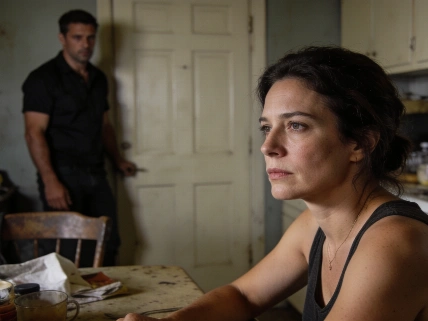


Unresolved childhood fears and parental dynamics often resurface in adult romantic relationships, shaping expectations, emotional reactions, and even self-sabotage when intimacy grows
Building a close relationship with a man can trigger old, buried fears—often without warning. For many women, the roots of these anxieties trace back to childhood, where parents or caregivers set the first template for intimacy. If those early examples were marked by coldness, aggression, or unpredictability, the echoes can shape adult expectations and reactions, sometimes sabotaging new connections before they have a chance to grow.
It’s common to unconsciously project feelings meant for a parent onto a partner. A woman who grew up with a distant or volatile father may find herself bracing for rejection or anger from a boyfriend, even if he’s done nothing to warrant it. The mind, primed by old wounds, can interpret neutral actions as threats, leading to withdrawal or self-sabotage—missed dates, sudden clumsiness, or a mysterious urge to pull away just as things get close.
Therapists see these patterns play out in session after session. One approach that’s gaining traction is the use of “Inner Helpers”—mental resources or imagined allies that help a person navigate emotional flashbacks. The concept draws from fairy tales, where heroes receive aid from magical creatures or objects. In therapy, these helpers become tools for self-soothing, boundary-setting, or reframing old narratives.
Breaking the Cycle
Consider the case of “Sarah,” a 25-year-old woman just starting to date someone new. On the surface, things are going well. But every time she gets close to her boyfriend, she’s hit by a wave of anxiety—her hands shake, she drops things, she even finds reasons to cancel plans. According to Psytheater.com, Sarah’s childhood was shaped by fear: her father’s alcoholism, outbursts, and threats left her hypervigilant and wary of men. In therapy, Sarah’s attention kept drifting from her boyfriend to a mental image of her father, replaying old traumas that made her feel powerless and small.
To interrupt this cycle, her therapist encouraged her to imagine an Inner Helper. Sarah recalled a rose bush from her childhood garden—one her father once pricked himself on. In her mind, the rose became a symbol of justice and protection. Visualizing the rose’s calming scent helped her reimagine her father as less threatening, allowing her to feel supported rather than endangered.
But the obstacles didn’t end there. Sarah’s mother, too, had been harsh and unpredictable, often undermining her daughter’s confidence and safety. When this maternal barrier surfaced in therapy, Sarah’s Inner Helper took the form of a piece of candy—an offering to soften her mother’s stance. When that wasn’t enough, she imagined a statue of Lady Liberty, a figure she trusted to advocate for her. This mental exercise helped Sarah feel her mother’s support, at least symbolically, and reduced the emotional wall between her and her boyfriend.
Rewriting Emotional Scripts
These interventions aren’t magic, but they can shift the emotional landscape. By recruiting Inner Helpers, clients like Sarah learn to separate past from present, giving new relationships a fairer shot. The process is rarely linear—old fears resurface, new obstacles appear, and progress can be slow. But the act of consciously engaging with these inner resources builds resilience and self-trust.
Family dynamics often shape how adults approach intimacy, trust, and conflict. For some, the struggle is about setting boundaries with parents who still try to control their dating lives. For others, it’s about recognizing when a partner’s behavior echoes a parent’s, and deciding whether to address it or walk away. As explored in this analysis of parental influence on adult dating boundaries, the work of separating old scripts from new realities is ongoing—and essential for healthy relationships.
Research from the American Psychological Association shows that adverse childhood experiences (ACEs) are linked to higher rates of anxiety, depression, and relationship difficulties in adulthood. In the U.S., nearly 1 in 6 adults report four or more ACEs, underscoring how common it is for early trauma to shape later life. Therapy approaches that address these patterns—whether through cognitive-behavioral techniques, narrative therapy, or creative visualization—can help break the cycle and foster more secure attachments.
Attachment theory remains central to understanding how early relationships with caregivers influence adult intimacy. Secure attachment, built on consistent support and safety, predicts healthier romantic bonds and greater resilience to stress. Insecure attachment, often rooted in unpredictable or threatening childhood environments, can lead to patterns of avoidance, anxiety, or emotional dependency. Recognizing these dynamics is the first step toward change, but lasting progress often requires both insight and active practice—sometimes with the help of an Inner Helper.