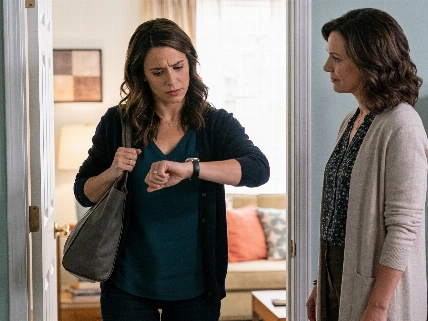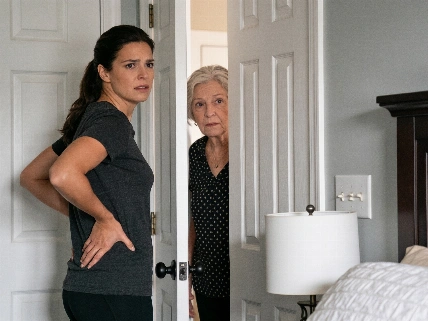


People with anxious attachment crave closeness but often feel insecure, leading to jealousy, control, and emotional exhaustion for both partners
In romantic relationships, anxious attachment is a pattern that can quietly undermine trust and stability. People with this style crave deep emotional closeness, but their fear of abandonment often drives them to seek constant reassurance, monitor their partner’s moods, and react strongly to perceived distance. The result is a cycle of neediness and control that can leave both partners feeling trapped and emotionally drained.
Unlike avoidant attachment, where one partner pulls away to protect their independence, anxious attachment is marked by a relentless pursuit of intimacy. This dynamic often leads to a push-pull relationship: one person chases, the other withdraws. According to Psytheater.com, these couples frequently fall into codependent roles, shifting between pursuer, victim, and rescuer, with neither partner able to break the cycle without outside help.
Common signs of anxious attachment include a constant need for closeness, fear of being left, people-pleasing, emotional dependence, and difficulty trusting a partner’s intentions. These individuals are highly sensitive to changes in their partner’s behavior, often interpreting minor shifts as signs of rejection. Low self-esteem and a persistent sense of inadequacy fuel their anxiety, making it hard to feel secure even in stable relationships.
During conflict, people with anxious attachment may escalate drama or provoke arguments to test their partner’s commitment. They might demand repeated affirmations of love or importance, hoping to soothe their fears. Yet these behaviors can have the opposite effect, pushing partners away and reinforcing the very abandonment they dread. The emotional intensity can become overwhelming, leading to exhaustion and resentment on both sides.
Attachment styles are shaped early in life, often rooted in childhood experiences of inconsistent caregiving or separation from a primary parent. A child who feels both relief and anger when a parent returns after an absence may develop ambivalent feelings about closeness and trust. As adults, these unresolved patterns play out in romantic relationships, making it difficult to form healthy, balanced connections.
Research shows that anxious and avoidant partners are often drawn to each other, creating a volatile mix of dependency and withdrawal. This pairing can lead to cycles of pursuit and retreat, with each person’s coping style triggering the other’s deepest fears. Without intervention, these relationships are prone to chronic dissatisfaction and eventual breakdown. For a real-world look at how these dynamics can spiral, see this story about the cycle of control and mistrust that follows repeated infidelity and dishonesty: how repeated cheating can fuel anxiety and control in relationships.
Professional therapy can help individuals with anxious attachment recognize their patterns, build self-worth, and develop healthier ways to connect. Treatment often focuses on increasing emotional regulation, setting boundaries, and learning to tolerate uncertainty in relationships. Over time, it’s possible to shift toward a more secure attachment style, but the process requires patience and consistent effort from both partners.
Attachment theory remains a cornerstone of modern psychology, with decades of research confirming its impact on adult relationships. Studies published in journals like the Journal of Personality and Social Psychology have found that roughly 20% of adults in the U.S. display anxious-preoccupied attachment traits. These patterns are linked to higher rates of relationship dissatisfaction, emotional distress, and even physical health problems. Understanding your own attachment style—and how it interacts with your partner’s—can be a crucial step toward building more resilient, fulfilling connections.