A 64-year-old woman faces heartbreak after her husband leaves following a bitter fight with her adult son over property. What happens when family loyalty and financial disputes collide
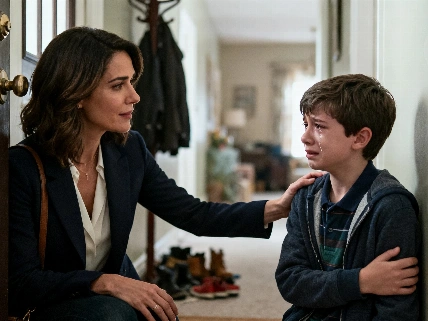
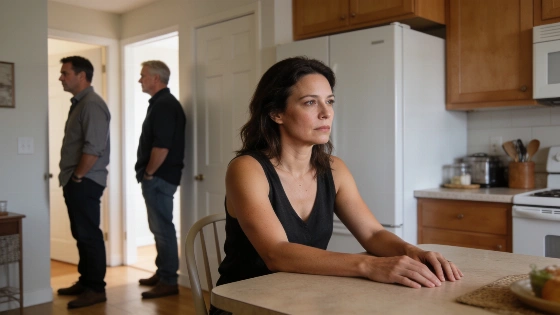
After 25 years of what felt like a close marriage, Linda, 64, found herself suddenly alone. Her husband left after a heated argument with her adult son, both men locked in a standoff over who should inherit the family home. The fallout was swift and brutal: insults were exchanged, trust was shattered, and Linda was left to pick up the pieces of two relationships she never thought would be at odds.
Family therapists see this pattern more often than many realize. When adult children and step-parents both feel entitled to a home or asset, the emotional stakes can quickly eclipse the financial ones. According to Psytheater.com, these conflicts rarely erupt out of nowhere. Instead, they often expose deeper resentments or unspoken fears—about belonging, legacy, or feeling replaced. The question Linda asks—"Is this normal?"—misses the complexity. In family systems, normal is a moving target, shaped by history, expectations, and the silent rules each household invents.
What makes these situations so painful is the sense of being trapped between two loyalties. Many parents, especially mothers, feel responsible for keeping peace, even when the conflict is not of their making. But as therapists stress, each adult is accountable for their own words and actions. Trying to mediate or assign blame rarely leads to healing. Instead, the focus shifts to survival: How do you process grief when you lose a partner not to death, but to a family feud? How do you rebuild trust with a child who crossed a line?
Sometimes, the rupture is a symptom of older wounds. A property dispute can mask years of simmering tension—about stepfamily roles, perceived favoritism, or unresolved grief from earlier losses. In some cases, the fight is less about the house and more about what it represents: security, recognition, or a final say in family affairs. As one recent feature on marital distance after accusations of control (read here) shows, these conflicts often have roots that run deeper than the immediate trigger.
For those caught in the middle, experts recommend focusing on what you can control. That means allowing yourself to feel anger, sadness, or confusion without rushing to fix the situation. It also means setting boundaries—recognizing that you cannot force reconciliation between two adults, nor should you bear the guilt for their choices. If you want to repair one or both relationships, start by clarifying your own needs and limits. Sometimes, the healthiest move is to step back and let each party own their part of the conflict.
Research from the American Psychological Association shows that inheritance disputes are among the top five causes of family estrangement in the U.S., with nearly 20% of adults reporting a significant rift over property or money. These splits can last for years, and the emotional toll often outweighs the financial loss. Mediation and family counseling can help, but only when all parties are willing to engage honestly and take responsibility for their actions.
Emotional boundaries are a core concept in family therapy. They help individuals separate their own feelings and responsibilities from those of others, especially in blended families or after remarriage. Learning to recognize where your influence ends—and where another adult's begins—can be a turning point in healing from family conflict. Therapists often work with clients to identify patterns of guilt, over-responsibility, or people-pleasing that keep them stuck in painful dynamics. Over time, building these boundaries can lead to healthier relationships, even if some ties remain strained.