After 11 years of marriage, a husband faces accusations of control and infidelity, forgives for the sake of the kids, but struggles to reconnect after leaving in anger
After more than a decade of marriage, Mark found himself blindsided when his wife told him she wanted a divorce. She said she was burned out, tired of feeling controlled, and no longer felt close to him. Mark, 33, admits he was shocked. He thought their arguments were normal, the kind every couple has. But her words—about feeling diminished and monitored—landed hard. Instead of listening, he fired back with his own list: her secret payday loans, her constant phone use, the mess at home. The conversation turned into a standoff of grievances, not a real exchange.
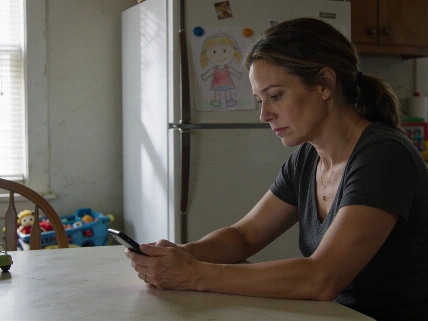
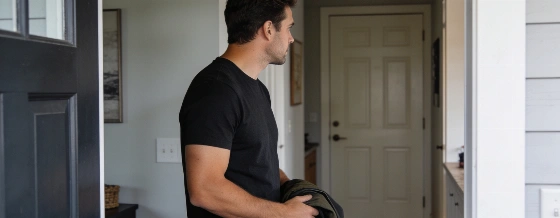
Time passed. They tried to talk, and Mark believed they’d found common ground. But soon, his wife’s behavior changed. She started encouraging him to go out, hinting she wanted space. Mark grew suspicious and eventually discovered messages that confirmed his fears—she was emotionally involved with someone else. He chose to forgive her, telling himself it was for the kids. But the atmosphere at home grew colder, more tense. The trust was gone, replaced by distance and resentment. Eventually, after another heated argument, Mark left. Now, he wants to come back, but his wife won’t let him in.
According to Psytheater.com, this pattern—one partner expressing pain, the other responding with counter-accusations—is common in relationships under strain. When someone shares how they’re hurting and gets only a list of their own faults in return, it deepens the divide. The original wound goes unacknowledged, and both partners retreat further. Mark’s attempt to forgive his wife for her emotional affair was real, but forgiveness offered only to keep the family together, without working through the pain, rarely restores warmth or trust. The result is a home filled with tension, where both partners feel alone.
Mark’s urge to return is understandable. The loss of a long-term relationship can trigger panic, grief, and a desperate wish to rewind time. But wanting things to go back to “how they were” often means returning to the same patterns that led to the split. The real work is not in convincing his wife to take him back, but in understanding the dynamics that broke their connection. That means facing his own role in the cycle—how he responded to her pain, how he handled his own hurt, and whether he’s ready to build something different, not just familiar.
For anyone in Mark’s position, the first step is not persuasion but reflection. Pressuring a partner who’s withdrawn only increases the distance. Instead, it’s more effective to acknowledge—both to yourself and to your spouse—where you contributed to the breakdown, without excuses or blame-shifting. This kind of honest self-examination is difficult, but it’s the only way to move forward, whether together or apart. As explored in this analysis of rebuilding a marriage after emotional withdrawal, real change requires both partners to see the problem from more than one angle.
While Mark’s wife remains distant, the most constructive path is for him to focus on his own growth—working through his anger, understanding his patterns, and regaining stability. Therapy can help, whether or not the marriage survives. The fact that Mark is searching for answers, rather than blaming his wife alone, is a sign of maturity and resilience. That capacity for self-reflection will serve him well, whatever comes next.
Emotional distance and accusations of control are among the most common reasons couples seek therapy. According to the American Association for Marriage and Family Therapy, nearly 50% of couples cite communication breakdown and loss of trust as primary reasons for separation. Research shows that couples who address these issues with professional support are significantly more likely to rebuild healthy dynamics, but only when both partners are willing to engage honestly with the underlying pain and patterns.
Relationship counseling often focuses on helping partners recognize and interrupt cycles of blame and defensiveness. Therapists may use techniques from emotionally focused therapy or cognitive-behavioral approaches to help each person identify their triggers, unmet needs, and habitual responses. The goal is not to assign fault, but to create space for genuine understanding and new ways of relating. Even if reconciliation isn’t possible, this work can lay the foundation for healthier relationships in the future.