
Many Americans struggle to meet activity guidelines, but new research suggests brisk walking may offer more health benefits than most realize—without the barriers of cost, skill, or gym culture
“Walking is the best exercise you can do.” That claim sounds almost provocative in a culture obsessed with running, HIIT, and muscle gains. But for Dr. Eric Sanders, an exercise science professor at a major U.S. university, the logic is simple: walking is accessible. No gym membership, no expensive gear, no learning curve. For most adults, that’s not just a convenience—it’s a lifeline.
According to the CDC, nearly 80% of American adults don’t meet recommended activity levels. The World Health Organization sets the bar at 150 minutes of moderate or 75 minutes of vigorous activity per week. A brisk walk—think 30 minutes, five days a week—checks that box. You don’t need to run marathons or deadlift your body weight to see real health gains.
Recent studies back this up. Large-scale research published in top medical journals shows that even modest increases in daily steps can cut all-cause mortality risk. One 2023 meta-analysis found that as few as 4,000 steps a day—well below the often-cited 10,000—already brings a measurable drop in risk of death. Each extra 1,000 steps per day was linked to a 15% lower risk of dying from any cause, and 500 more steps cut cardiovascular mortality by 7%.
Walking’s impact goes beyond the heart. It helps regulate blood sugar, blood pressure, and cholesterol. For people with metabolic syndrome—a cluster of risk factors including high waist circumference, hypertension, and abnormal blood lipids—walking can be a first-line intervention. Even short walks after meals, as little as 15 minutes, can blunt blood sugar spikes and ease the burden on the pancreas. That’s not theory; it’s been measured in controlled studies.
But there’s nuance. Walking alone won’t build significant muscle or maximize bone density. If your goal is to bulk up or hit peak athletic performance, you’ll need resistance training and higher-intensity work. Still, for the vast majority—especially those who are sedentary, overweight, or at risk for diabetes—walking is a foundation. It’s the habit that sticks, the movement you can keep up for decades, not just weeks.
Intensity matters, too. Strolling isn’t enough. Research suggests that a pace of about 100 steps per minute qualifies as moderate intensity. Push it to 130 steps per minute and you’re in vigorous territory. For those wanting more challenge without running, “rucking”—walking with a weighted backpack—can safely increase the load on muscles and bones, offering extra benefit without the injury risk of high-impact sports.
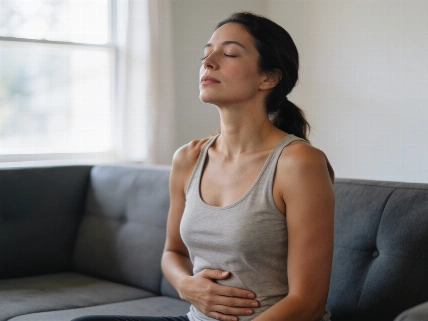
For those who struggle with anxiety or stress, movement can be a powerful tool. While walking is not a cure-all, it can help regulate mood and energy. Some experts recommend pairing walking with simple breathing techniques to calm the nervous system, as described in this feature on fast-acting anxiety relief.
So, is walking the “best” exercise? For most adults, especially those not already active, it’s hard to argue otherwise. It’s the rare prescription that’s free, safe, and effective for nearly everyone. But for those with specific goals—muscle gain, athletic competition, or osteoporosis prevention—walking is just the start. The real debate isn’t about which exercise is best, but about which one you’ll actually do, week after week, year after year.
For those managing chronic health conditions or seeking to prevent them, walking offers a low-barrier entry point. It’s also a way to reconnect with your body, your neighborhood, and your sense of agency. The science is clear: small, consistent steps matter more than heroic bursts of effort. And for many, that’s the most hopeful news of all.
Physical activity guidelines in the U.S. have shifted over the past decade, moving away from rigid targets and toward a more flexible, inclusive approach. Experts now emphasize that every bit of movement counts, and that even short bouts—like walking after meals or taking the stairs—can add up to meaningful health benefits. This shift reflects a growing understanding that sustainable habits, not perfection, drive long-term well-being.