
General Readers
24 articlesThe content can shift from data explainers to trend pieces, then toward clinical context as visitors need more precision. Practical cases can link specific needs with risk factors, timelines, reviews and safety notes.
Where answers are uncertain, the writing separates established knowledge from debate. The page stays focused on practical meaning rather than isolated definitions.

How Many Steps a Day Actually Protect Your Health—Not 10,000
The 10,000-step rule is everywhere, but new research shows you may need far fewer steps to lower your risk of heart disease and early death. Here’s what science says about the real daily step count that matters

Back-to-school stress: A quick reset for an overloaded brain
September’s return to routine can trigger anxiety and overwhelm. Experts say a simple sensory technique can help you regain calm and control when stress spikes
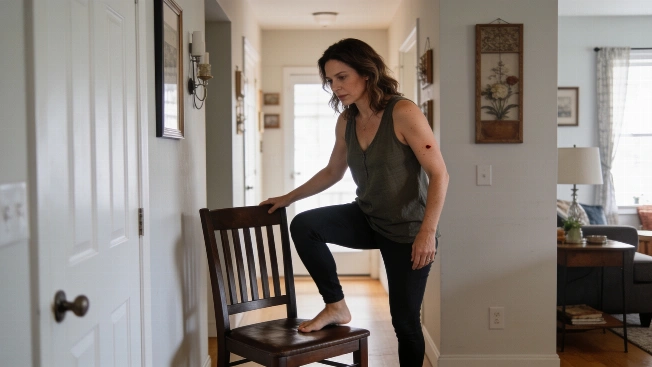
How an “Enriched Home” Can Boost Your Mobility and Brain Health
Most American homes make movement too easy, quietly eroding balance, flexibility, and cognitive sharpness. Subtle changes to your living space can help protect both your body and mind as you age.

Your Dog Reads Your Emotions More Closely Than You Realize
Dogs don’t just sense your mood—they process human facial expressions in ways that reveal a surprising level of emotional awareness, new brain imaging research shows

Jennifer Aniston’s Morning Habit Raises Questions About Health Risks
Jennifer Aniston, 57, starts every day with warm lemon water before coffee. This simple ritual is trending, but experts warn it may not deliver the benefits people expect—and could even harm teeth or sensitive stomachs
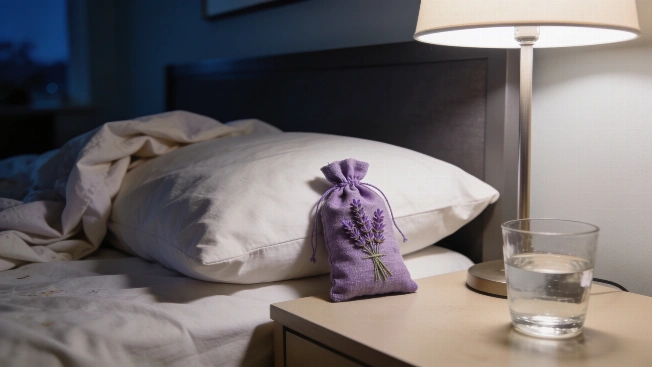
Lavender by the Bed: Does It Really Calm Your Nerves for Sleep
With one in three adults struggling to fall asleep, lavender sachets and oils are everywhere. But does the scent actually help your nervous system relax, or is it just another bedtime myth
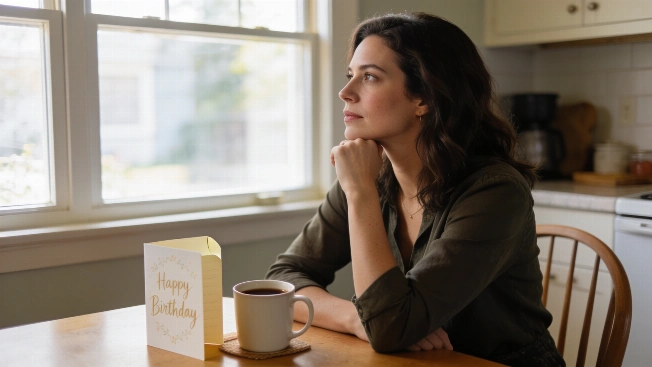
Ignoring Your Birthday May Signal a Rare Form of Self-Esteem
If you barely notice your own birthday, your psychological profile may be different from most. Research shows this behavior can reveal how you build self-worth and handle social expectations

Nighttime Leg Cramps: 7 Proven Ways to Relieve Pain and Sleep Better
Sudden, intense leg cramps can shatter your sleep and leave lingering pain. Learn which natural strategies actually work to ease muscle spasms and prevent them from coming back

Chamomile Tea for Sleep: What Science Really Says About This Bedtime Habit
Many Americans turn to chamomile tea at night, hoping for better sleep. But does this herbal ritual actually help with insomnia, or is it just a comforting myth backed by tradition

Can Eating Kiwi Before Bed Really Help You Sleep Better
Struggling to fall asleep or stay asleep? New research suggests that eating two kiwis before bedtime may improve sleep quality and reduce the time it takes to drift off, but experts urge caution before calling it a cure

Your Personality Shifts More Than You Think as You Age
Most adults believe their core personality stays the same, but new research shows our traits can shift as much as our health or income—sometimes without us noticing

Sleeping on Your Right Side May Trigger Nighttime Acid Reflux
A Spanish physician warns that sleeping on your right side could worsen acid reflux and disrupt sleep for those prone to digestive issues, challenging a common bedtime habit many never question
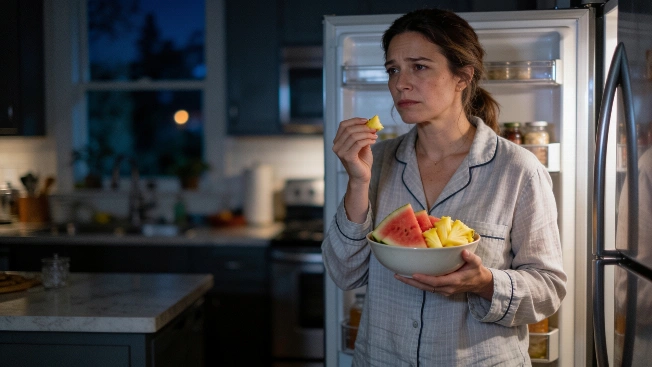
Eating Watermelon, Pineapple, or Melon at Night Can Disrupt Your Sleep
A Spanish doctor warns that eating certain fruits late in the evening—despite their health benefits—may lead to fragmented sleep and more nighttime bathroom trips

Missing Deep Sleep May Sabotage Weight Loss and Muscle Recovery
If you think sleeping in can make up for lost rest, think again—experts say the most critical repair for your body and brain happens early in the night, and missing it can disrupt metabolism and muscle growth

Building Upper Body Strength May Lower Heart Attack Risk
A major study suggests that strengthening your chest, torso, and back muscles could play a key role in reducing your risk of heart attack and early death from heart disease

Cycling Beats Walking for Energy Efficiency
Switching from walking to cycling can make your daily commute up to four times more energy-efficient, but steep hills and muscle fatigue can change the equation fast
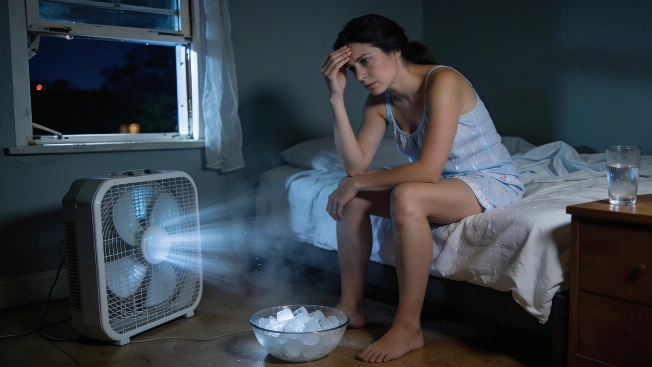
Heat Waves Are Wrecking Sleep: рere’s What Sleep Experts Actually Do
Record-breaking heat is making it nearly impossible for many Americans to sleep. Sleep specialists share the real strategies they use to get rest when air conditioning isn’t an option and the nights feel suffocating
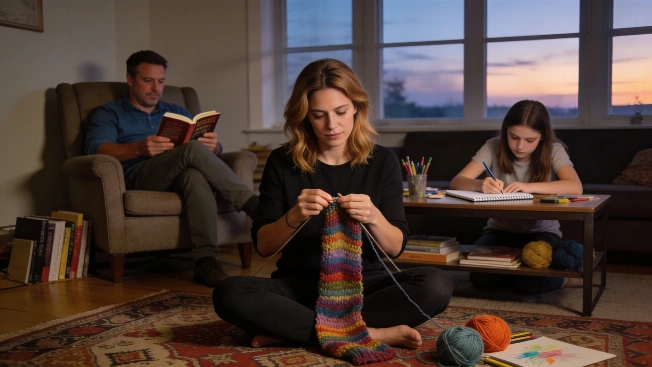
Most Americans Neglect These 3 Hobbies That Actually Boost Mental Health
If your free time disappears into work, family, and endless scrolling, you’re not alone. Psychologists say most adults miss out on three key types of leisure that can protect mood, energy, and brain health
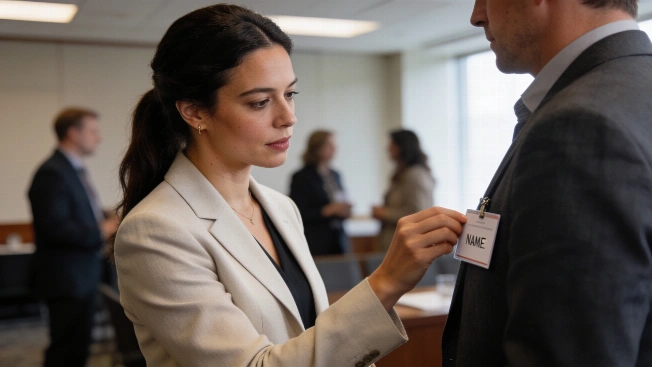
Forgetting Names Instantly After Meeting Someone Is Normal
If you blank on a new acquaintance’s name seconds after an introduction, you’re not alone. Neuroscience shows this common memory lapse is about how the brain encodes information, not a sign of disrespect or cognitive decline
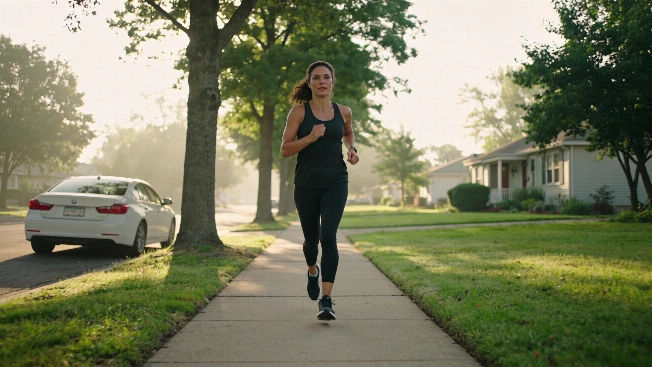
Is Walking Really the Best Exercise for Most Adults?
Many Americans struggle to meet activity guidelines, but new research suggests brisk walking may offer more health benefits than most realize—without the barriers of cost, skill, or gym culture

People With Big Social Circles Are Trusted More - But the Reason May Surprise
New research challenges the idea that having many friends means shallow ties. Instead, our brains may be wired to trust and cooperate more as our social networks grow, shifting how we judge reliability in others
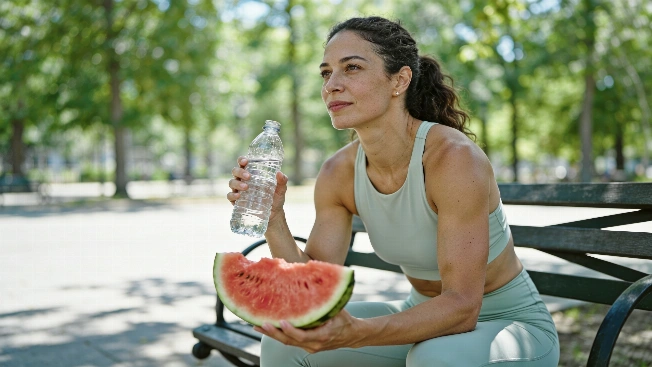
Heat Wave Risks: The Fruit That Can Make or Break Your Workout Health
Exercising in extreme heat puts your body at risk for dehydration and poor recovery—what you eat before and after can change your outcome

Talking to Yourself Out Loud: What It Really Signals About Your Mind
If you catch yourself speaking out loud when alone, research suggests it may reveal more about your cognitive strengths than you think

Mosquito Surges Linked to Common Watering Mistake in Your Backyard
Mosquito complaints are rising fast as summer heat arrives. Everyday watering habits may be fueling the problem, experts warn