
Record-breaking heat is making it nearly impossible for many Americans to sleep. Sleep specialists share the real strategies they use to get rest when air conditioning isn’t an option and the nights feel suffocating
When a heat wave hits, sleep can turn into a nightly battle. Across the U.S., more people are reporting restless nights, waking up drenched, or lying awake as their bedrooms refuse to cool down. According to Psytheater.com, the body’s natural sleep process depends on a drop in core temperature—about 1 to 2 degrees Fahrenheit. When the air stays hot, that cooling mechanism stalls, making it much harder to fall and stay asleep.
Sleep doctors say the problem isn’t just comfort. Overheated nights can trigger more frequent awakenings, lighter sleep, and next-day exhaustion. The body’s need to shed heat is so strong that even small changes in your evening routine can make a difference. Here’s what leading sleep specialists actually do when the thermostat won’t budge and the AC is out of reach.
Cooling the Room and Body
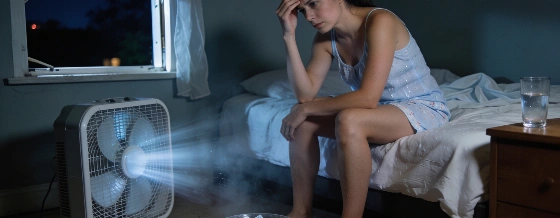
One of the most effective tricks is placing a bowl of ice in front of a fan. As the fan blows over the ice, it sends a stream of cool, moist air into the room—mimicking the effect of air conditioning without the energy bill. Some experts also recommend wearing loose cotton pajamas, which wick away sweat and let skin breathe. For an extra boost, stash your sleepwear in the freezer for 20 minutes before bed. The chill won’t last all night, but it can make falling asleep less of a struggle.
Another overlooked move: focus on cooling your body, not just the room. Running cold water over your wrists, feet, or face before bed can help lower your core temperature. Some people even sleep under a lightly dampened sheet, letting evaporation do the work of cooling both skin and air. If you have a hot water bottle, fill it with cold water and freeze it for a few hours—then tuck it near your feet as you settle in.
Timing and Routine Tweaks
What you do before bed matters, too. Eating a heavy dinner late in the evening can raise your body temperature as digestion kicks in. Sleep doctors suggest moving dinner earlier and keeping it light—think salads, fruit, or lean protein. If your bedroom is still stifling at your usual bedtime, don’t force yourself to lie down. Waiting until the air cools, even if it means a later bedtime, can help you fall asleep faster and stay asleep longer.
Some specialists turn to yoga nidra, a guided meditation practice designed to induce deep relaxation. Even if you’re not a regular meditator, listening to a short audio session can help calm the nervous system and ease the transition to sleep, especially when physical discomfort is high.
Fabric Choices and Small Adjustments
Material matters. Cotton and other natural fibers breathe better and absorb sweat, while synthetic fabrics tend to trap heat and moisture. If you’re waking up sticky or clammy, swap out your sheets and pajamas for all-cotton versions. Even small changes—like switching to a lighter blanket or sleeping with just a sheet—can make a difference.
For those who want to go further, some sleep experts recommend making a “cold pack” by freezing a damp washcloth or small towel and placing it on your forehead or neck as you drift off. It’s a simple, low-tech way to bring relief when the air feels heavy and unmoving.
While these strategies can’t replace a full night of cool, uninterrupted sleep, they can help you reclaim some rest when the weather refuses to cooperate. And if you’re curious about how other lifestyle tweaks—like changing your supplement routine—can impact sleep, check out this piece on how magnesium timing affects sleep quality.
Yoga nidra, sometimes called “yogic sleep,” is gaining traction among sleep specialists for its ability to trigger deep relaxation without requiring physical movement. Unlike traditional meditation, yoga nidra guides you through a series of body scans and visualizations while you lie down, making it accessible even when you’re exhausted or overheated. Research suggests it can lower stress hormones and help the body transition into sleep, especially during periods of environmental stress like heat waves. Many therapists now recommend it as a non-pharmacological tool for people struggling with insomnia or disrupted sleep patterns.