
Sleep Research
21 articlesThe reading mix spans study explainers, data updates, method guides and practical answers for people trying to understand next steps. Deeper reading can address new findings, public meaning, warning signs, cases and service changes.
Sensitive material is handled with restraint when shame, stigma or danger could be present. Materials explain how the name enters real conversations about care or mental health.
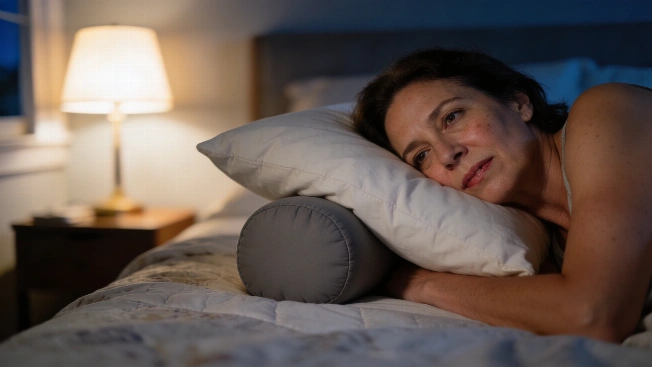
Lack of Deep Sleep Disrupts the Body’s Natural Repair System
New research reveals how missing out on deep sleep throws off the brain’s control of tissue repair and metabolism, raising the risk for weight gain and chronic illness
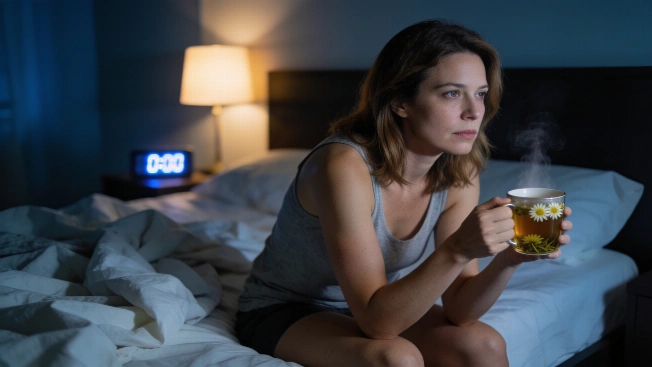
Chamomile for Sleep: Remedy, Ritual, or Just Hype?
Millions struggle to fall and stay asleep. Chamomile tea is often recommended, but does it actually help—or is it just another bedtime myth?
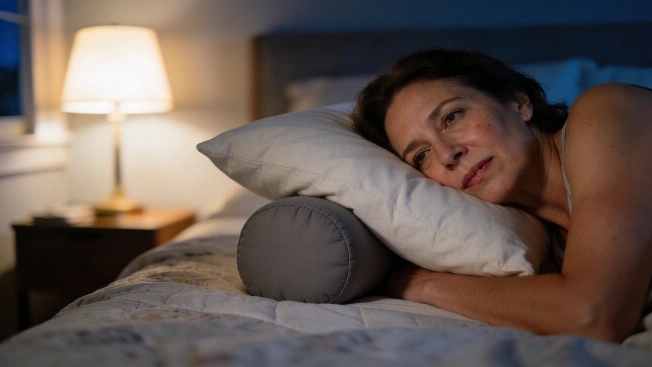
Sleeping on Your Left Side May Ease Nighttime Acid Reflux Fast
If you wake up with burning in your chest or heavy legs at night, your sleep position could be making things worse. New research suggests left-side sleeping may help reduce acid reflux and improve blood flow.
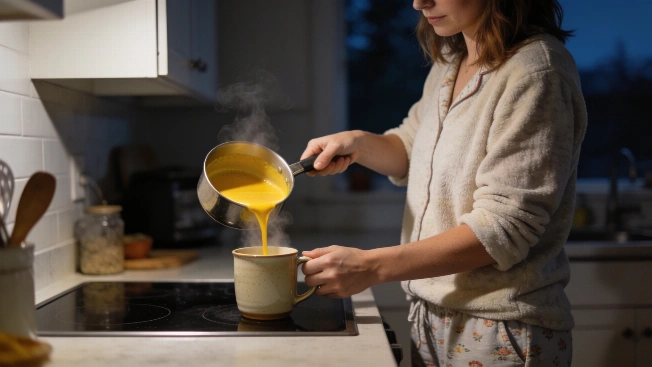
Is Turmeric Milk at Night Really Helping Your Sleep or Hurting It
A growing number of Americans are turning to turmeric milk before bed, hoping for better sleep and less pain. But does this golden drink deliver real benefits, or could it backfire for some people?

Drinking Late Wrecks Your Sleep—Here’s the Science Behind the Crash
If you fall asleep fast after a few drinks but wake up wired at 3 a.m., the real culprit may be the timing of your last glass—not just how much you drink or what you mix

Nighttime Wakeups Tied to Blood Sugar Swings, Says Dietitian—Here’s What Actually Helps
If you wake up in the middle of the night or hit an afternoon slump, your blood sugar could be the reason. Here’s the food strategy a top dietitian uses herself.
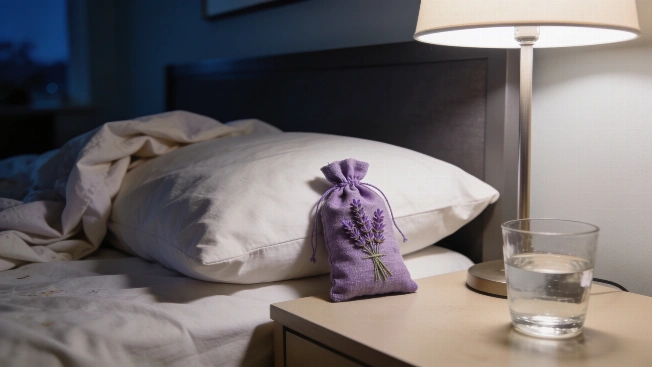
Lavender by the Bed: Does It Really Calm Your Nerves for Sleep
With one in three adults struggling to fall asleep, lavender sachets and oils are everywhere. But does the scent actually help your nervous system relax, or is it just another bedtime myth
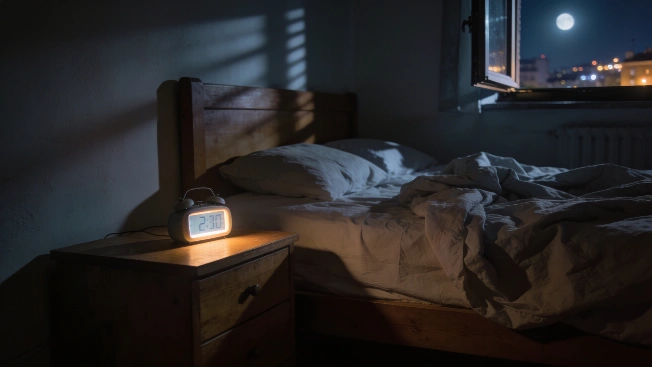
Why Some People Can’t Sleep Without a Blanket—Even in a Heatwave
If you can’t fall asleep without covering up—even when it’s sweltering—your brain and body may be sending signals about comfort, anxiety, and sleep rituals that go deeper than temperature alone

Nighttime Leg Cramps: 7 Proven Ways to Relieve Pain and Sleep Better
Sudden, intense leg cramps can shatter your sleep and leave lingering pain. Learn which natural strategies actually work to ease muscle spasms and prevent them from coming back
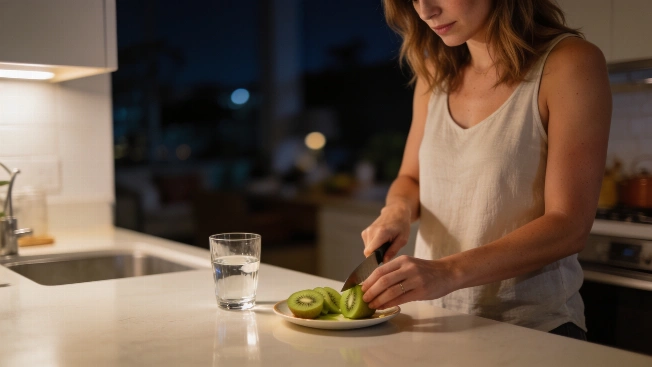
Chamomile Tea for Sleep: What Science Really Says About This Bedtime Habit
Many Americans turn to chamomile tea at night, hoping for better sleep. But does this herbal ritual actually help with insomnia, or is it just a comforting myth backed by tradition
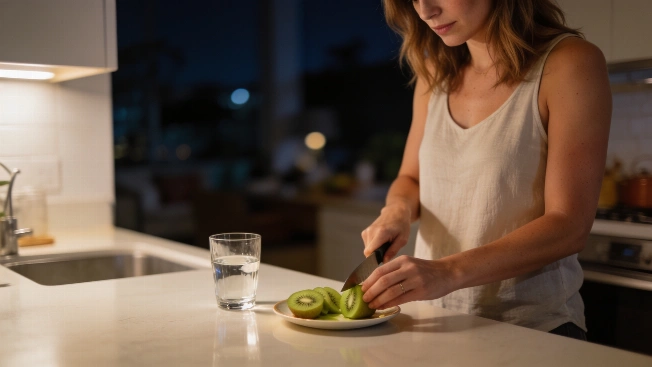
Can Eating Kiwi Before Bed Really Help You Sleep Better
Struggling to fall asleep or stay asleep? New research suggests that eating two kiwis before bedtime may improve sleep quality and reduce the time it takes to drift off, but experts urge caution before calling it a cure
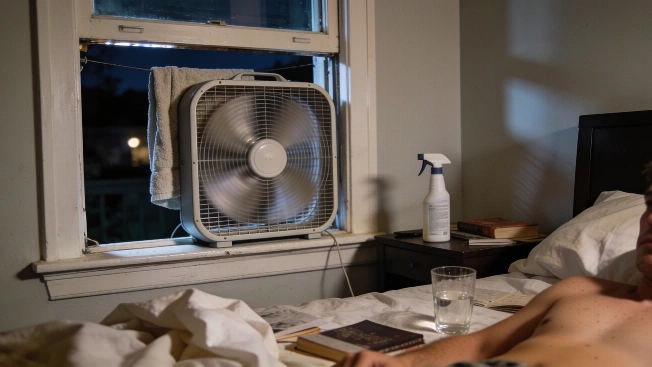
3 Low-Tech Ways to Cool Your Bedroom Without Air Conditioning
Sweltering summer nights can wreck your sleep, but you don’t need AC to get relief. A wellness architect shares three practical, science-backed tricks to lower the temperature in your bedroom and help you rest better tonight
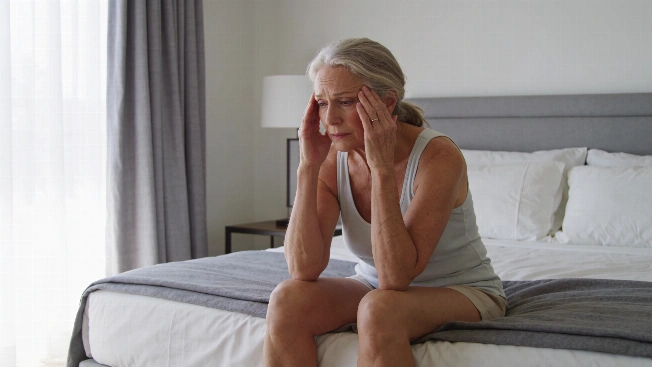
How Much Sleep Do You Need After 60 to Protect Your Brain
Many adults over 60 struggle with lighter, shorter sleep—especially after heat waves. Experts say the right amount of rest is critical for memory, brain health, and cardiovascular function as we age
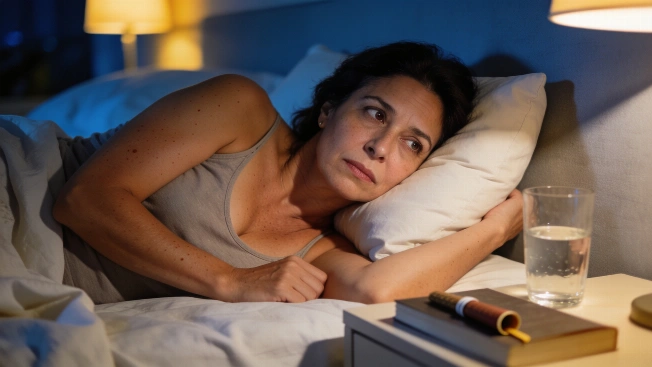
Sleeping on Your Right Side May Trigger Nighttime Acid Reflux
A Spanish physician warns that sleeping on your right side could worsen acid reflux and disrupt sleep for those prone to digestive issues, challenging a common bedtime habit many never question
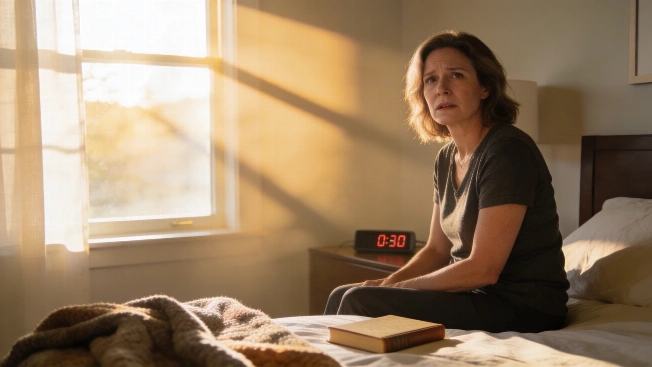
Losing Just 80 Minutes of Sleep a Night Can Trigger Weight Gain
Adults who cut their sleep by just over an hour each night for several weeks gained weight—even without eating more. The real culprit may be a drop in daily movement and rising insulin resistance
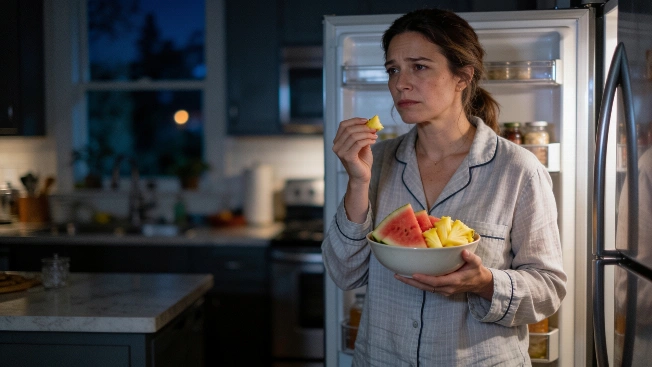
Eating Watermelon, Pineapple, or Melon at Night Can Disrupt Your Sleep
A Spanish doctor warns that eating certain fruits late in the evening—despite their health benefits—may lead to fragmented sleep and more nighttime bathroom trips
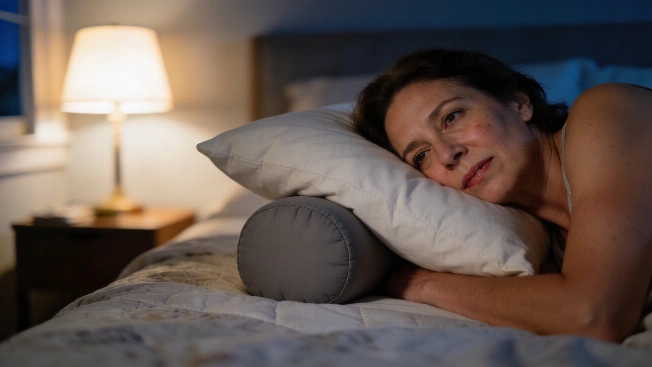
Missing Deep Sleep May Sabotage Weight Loss and Muscle Recovery
If you think sleeping in can make up for lost rest, think again—experts say the most critical repair for your body and brain happens early in the night, and missing it can disrupt metabolism and muscle growth
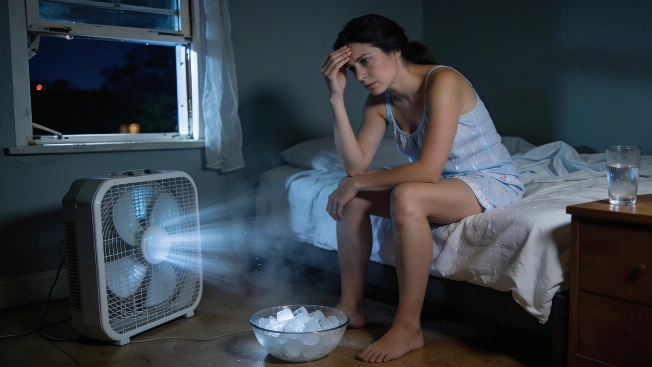
Heat Waves Are Wrecking Sleep: рere’s What Sleep Experts Actually Do
Record-breaking heat is making it nearly impossible for many Americans to sleep. Sleep specialists share the real strategies they use to get rest when air conditioning isn’t an option and the nights feel suffocating

Struggling to Fall Asleep Early? A Neurologist Reveals the Overlooked Fix
If you can’t seem to get to bed early, you’re not alone. A leading sleep neurologist says a simple, often forgotten routine can help reset your body clock and make early mornings less brutal
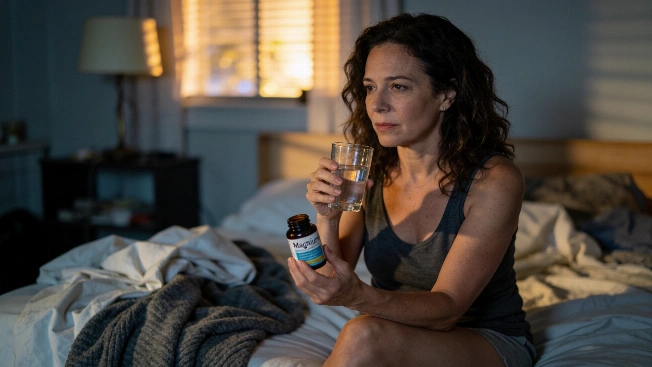
Taking Magnesium at the Wrong Time Could Be Sabotaging Your Sleep
Many Americans turn to magnesium to ease stress and restless nights, but experts say timing and type matter more than most realize for real sleep benefits

Low Oxygen at Night: How Poor Breathing Disrupts Sleep and Brain Health
Interrupted breathing during sleep can leave you foggy, irritable, and unrested the next day