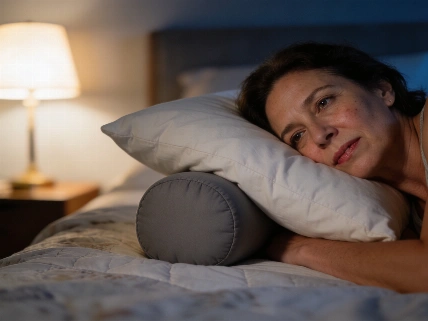
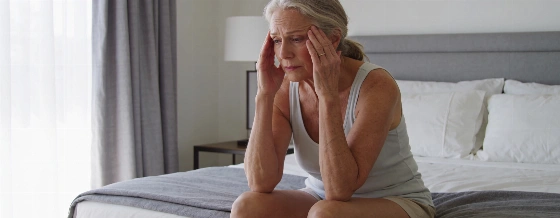
Many adults over 60 struggle with lighter, shorter sleep—especially after heat waves. Experts say the right amount of rest is critical for memory, brain health, and cardiovascular function as we age
When summer heat drags on, sleep can turn restless for everyone. But for Americans over 60, even a few nights of poor rest can hit harder. As temperatures finally ease, many older adults are left trying to reset their sleep routines—often against the grain of a body clock that’s already shifting with age. According to Psytheater.com, disrupted sleep in later life isn’t just about feeling tired. It’s a risk factor for memory decline, cognitive changes, and even heart health issues.
Specialists in sleep medicine point out that as we age, our sleep naturally becomes lighter and more fragmented. The body’s circadian rhythms shift forward, making it common to wake up earlier than before. This isn’t just a nuisance—it’s a biological change. The first half of the night brings the deepest, most restorative sleep, while the second half is lighter, making early waking more likely. For many, this means feeling less refreshed, even after a full night in bed.
So what’s the target for healthy sleep after 60? Most experts recommend aiming for 7 to 8 hours per night. This range supports not just physical recovery, but also the brain’s nightly work of processing memories and clearing metabolic waste. Sleep is now recognized as a pillar of healthy aging, alongside exercise, social engagement, and managing blood pressure and cholesterol. While no amount of sleep can guarantee protection from dementia or cognitive decline, research consistently links adequate rest to better outcomes in older adults.
It’s not just about quantity, though. Sleep quality matters. Chronic insomnia, loud snoring, and excessive daytime sleepiness are not inevitable with age. These symptoms can signal treatable sleep disorders, such as sleep apnea or restless legs syndrome. If disrupted sleep persists despite lifestyle changes and comfortable temperatures, it’s time to talk with a healthcare provider. Many sleep problems in older adults respond well to targeted interventions, from cognitive behavioral therapy for insomnia to medical treatment for underlying conditions.
There’s no single “right” time to wake up, but consistency is key. Keeping regular sleep and wake times—even on weekends—helps reinforce the body’s natural rhythms. The goal is to wake feeling restored, not groggy or depleted. If you find yourself waking up too early or struggling to fall back asleep, avoid lying in bed frustrated. Instead, get up, do something quiet and relaxing, and return to bed when sleepy. This approach, known as stimulus control, is a cornerstone of behavioral sleep therapy.
Recent studies show that nearly 50% of Americans over 65 report some form of sleep disturbance at least a few nights a week. The CDC notes that insufficient sleep is linked to higher rates of hypertension, diabetes, depression, and even increased risk of falls. In one longitudinal study, older adults who consistently slept less than 6 hours per night had a higher risk of cognitive impairment over a 10-year period compared to those who averaged 7 to 8 hours. These findings underscore the importance of prioritizing sleep as a core part of healthy aging.
For those looking to improve their sleep, small changes can make a difference. Limit caffeine after midday, keep bedrooms cool and dark, and avoid screens before bedtime. Regular physical activity—especially in the morning—can help anchor circadian rhythms. And while it’s tempting to try to “catch up” on sleep with naps, long or late-day naps can backfire, making nighttime sleep even more elusive. For more on how deep sleep impacts overall health, see this analysis of the consequences of missing restorative sleep.
Sleep medicine is a rapidly evolving field, with new tools for diagnosing and treating age-related sleep changes. Polysomnography, wearable trackers, and home sleep tests can help pinpoint specific issues. Cognitive behavioral therapy for insomnia (CBT-I) is now considered the gold standard for chronic sleep problems, often outperforming medication in the long run. As awareness grows, more primary care providers are screening older adults for sleep disorders as part of routine care. Addressing sleep isn’t just about comfort—it’s a critical step in protecting brain health, independence, and quality of life as we age.