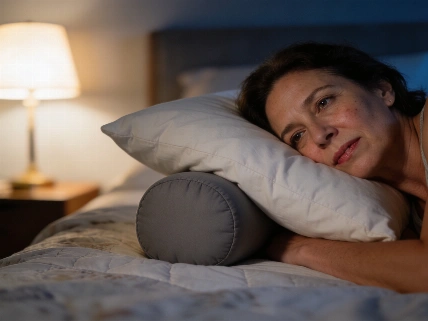

Millions struggle to fall and stay asleep. Chamomile tea is often recommended, but does it actually help—or is it just another bedtime myth?
If you’ve ever found yourself wide awake at 2 a.m., the idea of a natural sleep fix can sound like a lifeline. Dr. William Arias, who specializes in functional medicine and clinical nutrition, argues that chamomile isn’t just a folk remedy—it has some science behind it. Still, for most people with insomnia, a cup of tea is rarely the whole answer.
Americans are sleeping less than they used to. Recent surveys show adults average just under seven hours a night, and more than a third get less than six. That kind of sleep loss doesn’t just make you tired—it affects memory, learning, metabolism, immune function, and mental health. The search for solutions has turned sleep aids into big business, from prescription drugs to herbal teas.
A 2024 clinical review found that chamomile may reduce nighttime awakenings and help maintain sleep, but does not consistently improve total sleep duration or daytime functioning.
Chamomile’s reputation as a gentle sleep aid comes from apigenin, a compound also found in parsley and celery. Apigenin binds to certain brain receptors involved in relaxation and stress. Dr. Arias suggests steeping two grams of dried chamomile flowers in hot water and drinking it about half an hour before bed, especially for people who have mild trouble falling asleep or feel restless from anxiety. He notes that the effects are subtle and usually take at least two weeks of nightly use to notice any difference.
The research, though, is mixed. Some small studies suggest chamomile might help people fall asleep faster, but the evidence is inconsistent and often based on short trials or self-reported results. The U.S. National Center for Complementary and Integrative Health (NCCIH) points out that studies on chamomile for insomnia are limited and varied, with few strong clinical trials. Chronic insomnia, sleep apnea, and restless legs syndrome need more than herbal tea—they require medical evaluation and targeted treatment. Even for occasional sleeplessness, chamomile is no cure-all.
Sleep depends on a complicated mix of biology and behavior. Circadian rhythms, sleep drive, and environmental cues all matter. Alcohol, caffeine, late-night screens, and even background noise can disrupt rest. As covered earlier, even popular remedies like lavender often work more through routine and expectation than proven brain chemistry.
In a short-term study of adults with chronic insomnia, a 28-day course of chamomile extract did not show significant superiority over placebo for key insomnia outcomes, highlighting the need for more rigorous research.
Still, the act of making tea, dimming the lights, and stepping away from screens can help set the stage for sleep. Chamomile might offer a gentle nudge toward relaxation, but it can’t make up for poor sleep habits or untreated health problems. When insomnia drags on, relying on herbs can delay real treatment and overlook issues that need a doctor’s attention.
There’s a strong urge to find a single, natural fix for a complicated problem. Chamomile isn’t a miracle cure or a total placebo—it’s a modest tool that works best as part of a bigger, more disciplined approach to sleep. What matters most is consistency, honest self-reflection, and a willingness to address all the factors that keep us up at night. A cup of tea alone won’t solve insomnia, but the value of routine shouldn’t be dismissed either. Better sleep usually comes from a mix of daily choices and, when needed, professional help—not from any one ingredient.
Apigenin, the compound behind chamomile’s sleep claims, is also being studied for its effects on anxiety, inflammation, and even cancer risk. While its calming effects are promising, most research is still early and based on animal studies or small human trials. For now, apigenin’s role in sleep is just one small part of a much larger picture—helpful, but not a replacement for medical care or a full approach to sleep health.