When anxiety hits, many reach for medication. But a leading psychiatrist says a specific breathing method can quickly signal safety to the brain
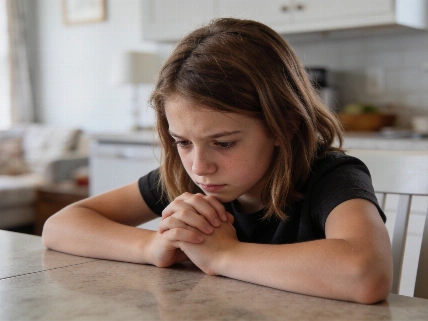
Chest tightness, racing heart, and a sense of panic—these are the moments when anxiety feels like it’s taking over. For many Americans, the default response is to reach for a prescription bottle. But Dr. Laura Molina, a psychiatrist practicing in Los Angeles, is urging patients to consider a different first step: deep, controlled breathing. She calls it a natural anti-anxiety tool, and she’s not alone. According to Top Santé, a growing number of mental health professionals are encouraging patients to use the body’s own systems to interrupt the spiral of anxious symptoms.
Panic attacks can be terrifying, but they rarely cause lasting physical harm. Still, the urge to stop the discomfort quickly leads many to benzodiazepines or other anti-anxiety medications. These drugs can be effective in the short term, but they come with risks—drowsiness, memory issues, and dependence if used too often. Molina and her colleagues argue that learning to regulate your own nervous system can offer immediate relief without those side effects.
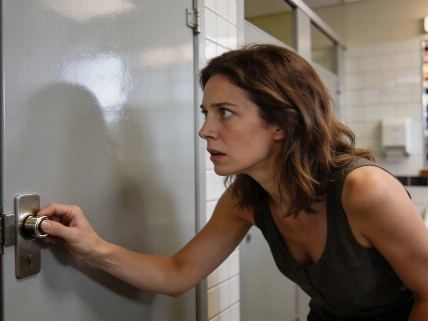
During an anxiety episode, the body’s alarm system floods you with signals: pounding heart, shortness of breath, sweating, trembling, dizziness. It’s easy to mistake these for signs of a medical emergency. In reality, they’re the nervous system’s way of preparing for threat. Medication can blunt these sensations, but it doesn’t teach the brain that you’re actually safe. Deep breathing, on the other hand, sends a direct message to the brain: the threat has passed.
Molina’s approach is practical. She doesn’t dismiss medication, but she wants patients to have more options. She recommends simple, physical interventions—slow breathing, gentle movement, even reaching out for social contact. These actions can shift the body out of fight-or-flight mode and into a state of calm. The goal isn’t to shame anyone for needing medication, but to give people a sense of agency when anxiety strikes.
Breathing as a First-Line Response
Dr. Molina, author of the book A Mind with a Body, is part of a movement in psychiatry that puts the body back at the center of emotional health. She often tells patients that exercise is the fastest-acting anti-anxiety tool, but that a hug is the most comforting. On a recent segment of the health show Saber Vivir, she explained that deep breathing can help manage anxiety attacks in real time. Slow, deliberate breaths activate the parasympathetic nervous system, which slows the heart and lowers blood pressure. A 2018 systematic review found that slow, deep breathing reduced both anxiety and depression symptoms in hundreds of participants.
Researchers at Stanford University have also tested this idea. In one study, adults practiced five minutes of controlled breathing daily for a month. The most effective pattern: inhale for four seconds, exhale for six. This slower rhythm—about six breaths per minute, half the normal rate—led to measurable drops in stress and anxiety. The technique is simple enough to use anywhere, anytime symptoms begin to rise.
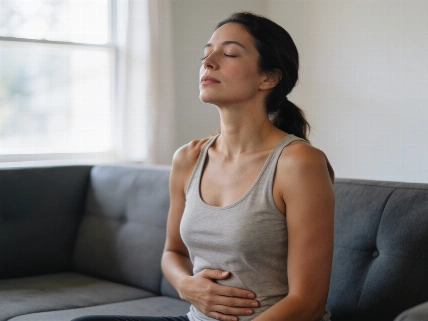
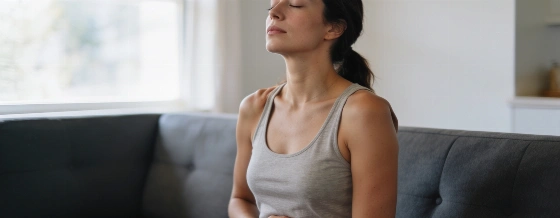
Molina suggests starting with basic exercises like diaphragmatic breathing or heart coherence. Sit comfortably, place a hand on your abdomen, inhale through your nose for four seconds, letting your belly expand, then exhale gently through your mouth for six seconds. Repeat for one to three minutes, silently reminding yourself, “I am safe.” This can be done daily or at the first sign of anxiety, and should always be paired with professional care if symptoms are severe or persistent.
Beyond Medication
For many, medication remains a necessary part of anxiety management. But Molina’s message is about expanding the toolkit. She encourages patients to experiment with physical strategies—breathing, movement, social connection—before or alongside medication. These techniques don’t replace medical advice, but they can offer immediate relief and help retrain the brain’s response to stress.
It’s not about willpower or positive thinking. It’s about using the body’s own feedback loops to send a signal of safety. For people who feel powerless in the face of anxiety, this approach can restore a sense of control. And for those wary of medication side effects, it offers a low-risk, evidence-based alternative.
As anxiety rates continue to climb, especially in high-pressure environments, the need for accessible, non-pharmacological tools is urgent. Deep breathing isn’t a cure-all, but it’s a skill that can be learned, practiced, and deployed in moments of crisis. Molina’s work is a reminder that sometimes, the most effective interventions are the simplest—and the ones we carry with us every day.
Deep breathing techniques are increasingly recognized in clinical psychology as a core component of anxiety management. Unlike distraction or avoidance, these methods directly engage the body’s stress response, helping to recalibrate the nervous system. Many therapists now teach breathing exercises as part of cognitive behavioral therapy, mindfulness training, or as a standalone skill. While not a replacement for comprehensive care, these practices can empower individuals to respond to anxiety with greater confidence and resilience.
- Neuroses and Emotional Disorders
- Negative Mental States and Emotional Balance in Daily Life
- Anxiety and Fears Therapy Tools for Emotional Stability
- Panic Attacks Symptoms Causes and Effective Coping Strategies
- Feelings Emotions and Emotional Intelligence for Daily Life
- Psychology Techniques and Exercises for Self-Help and Growth
- Stress Relief Strategies and How to Overcome Stress
- Anxiety Symptoms
- Chest Tightness
- Panic Attacks
- Shortness of Breath
- Anti-Anxiety Medications
- Benzodiazepines