
A 20-year-old describes years of bullying, isolation, and discrimination. A conflict resolution expert explains how to rebuild self-worth and find support when you feel powerless
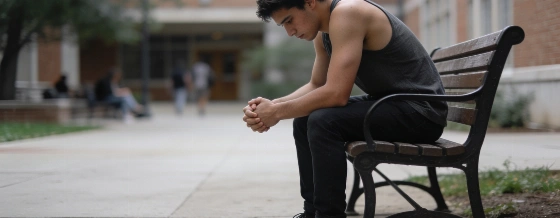
For some, being the outsider isn’t a phase—it’s a pattern that starts in childhood and shadows every new environment. Mark, now 20, has spent most of his life on the margins. School was a daily gauntlet of ridicule and physical threats. College brought no relief. Family life, instead of offering safety, only deepened the sense of being fundamentally alone. According to Psytheater.com, Mark’s experience is not rare, but the toll it takes on self-respect and mental health is profound.
Bullying and discrimination, especially when tied to ethnicity or background, can erode a person’s sense of agency. When humiliation becomes routine, it’s easy to internalize the message that you don’t deserve better. Mark’s father urges him to “fight back,” but for someone who’s been isolated for years, aggression rarely feels like a real option. The deeper problem is not just fear—it’s the slow collapse of self-worth that comes from being targeted and unsupported.
Research shows that chronic social exclusion increases the risk of depression, anxiety, and even physical health problems. A 2022 CDC report found that nearly 1 in 5 U.S. high school students experienced bullying on school property in the past year. The numbers are higher for students from minority backgrounds. The psychological impact can last well into adulthood, affecting relationships, career prospects, and overall well-being.
Expert advice focuses on two fronts: finding community and seeking professional help. Even if you feel like you have nothing in common with those around you, shared interests—gaming, comics, music—can be a bridge. Connecting with others who share your background or passions can offer a sense of belonging that’s been missing. For some, this means reaching out to cultural organizations or student groups. For others, it’s about finding online communities where exclusion is less likely.
It’s also critical not to stay silent. Most colleges and universities have protocols for reporting harassment and discrimination. While it may feel risky, notifying administration can sometimes prompt real change. If physical violence is involved, contacting campus security or local authorities is not just justified—it’s necessary. Support services, including counseling centers and crisis hotlines, are available, and many offer free or low-cost sessions for students in distress.
Physical activity, even something as simple as using outdoor exercise equipment, can help restore a sense of control and confidence. For those facing financial barriers, public parks and community centers often provide free resources. Building physical strength is not a cure, but it can shift how you carry yourself—and how others perceive you.
Sometimes, the hardest step is asking for help. Many therapy training programs offer free or sliding-scale counseling as part of their clinical education. Reaching out to a mental health professional, even for a single session, can interrupt the cycle of self-blame and isolation. As one mother’s story of being trapped in a cycle of control and fear illustrates, the path to recovery often starts with finding just one person who listens and believes you—see how another family coped with isolation and threat in this account of living with a partner’s addiction.
Stigma around seeking help remains a barrier, especially for young men. But mental health is not a private failing—it’s a public health issue. The more openly we talk about exclusion, bullying, and their consequences, the easier it becomes for others to step forward and seek support.
Social exclusion and bullying are not just personal struggles—they are public health concerns with measurable impact. The National Center for Education Statistics reports that students who experience bullying are twice as likely to report feeling hopeless or sad for extended periods. Early intervention, peer support, and access to mental health resources can significantly reduce long-term harm. Community-based programs and campus initiatives are expanding, but the first step is often the hardest: reaching out and refusing to accept isolation as a permanent state.