A mother of five describes being isolated and threatened by her husband, who refuses to work and struggles with substance abuse, while she fears for her safety and her children’s future
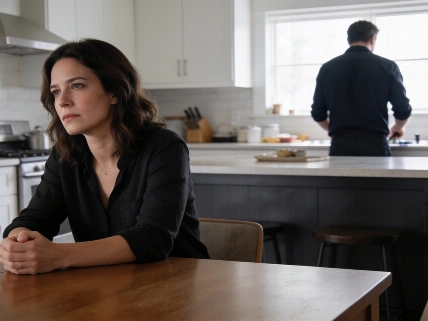
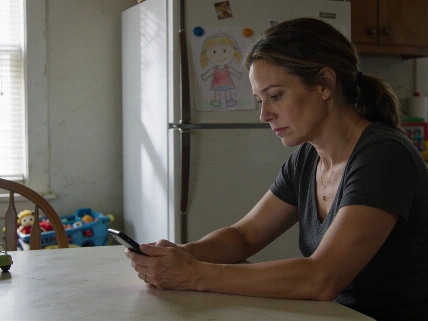
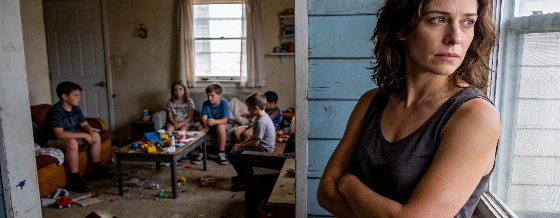
For ten years, Melissa, 37, has lived with a man whose addiction and volatility have shaped every corner of her life. Together they have five children. She says he refuses to work, relies on her for housing, and cycles through periods of psychological and physical abuse—often under the influence of drugs. The home, purchased with government child benefits and legally in her and the children’s names, has become a prison. He will not leave, and she is not allowed to step outside alone. The threats are constant. She fears for her life and the safety of her kids.
According to Psytheater.com, situations like Melissa’s are more common than many realize. Shame and fear often keep victims silent, even as the abuse escalates. Neighbors may notice, but the stigma and isolation make it hard to reach out. The abuser’s dependency on substances can intensify controlling behaviors, turning the home into a closed system where the victim’s options shrink with each passing day.
Legally, Melissa’s husband retains certain rights as long as they are married and she has not involved law enforcement. Without police reports or documented evidence of violence, the law may not intervene. This legal gray area leaves many women feeling powerless, especially when children are involved and the abuser controls their movements. The silence, in effect, grants the abuser continued access and authority.
Experts stress that breaking this cycle requires action, not just endurance. The first step is to gather information and build a plan. This might mean documenting incidents, reaching out to trusted friends or family, or contacting a local domestic violence shelter. In many states, confidential hotlines and support centers can help victims navigate both the legal and emotional complexities. For Melissa, calling a center like the National Domestic Violence Hotline could be a lifeline.
It’s important to remember that children in these environments are also at risk. They may not have the words or power to seek help, but the trauma of witnessing abuse can have lasting effects. The adult caregiver is often the only one who can act. While the process is daunting, silence and secrecy only deepen the danger. Support—both psychological and legal—is essential for any chance at change.
Even in marriages that appear stable, conflict is not always visible from the outside. As explored in this discussion of how even happy couples face real struggles, the reality behind closed doors can be far more complex than outsiders assume. But when abuse and addiction are present, the stakes are higher, and the risks more acute.
According to the National Coalition Against Domestic Violence, one in four women in the U.S. will experience severe intimate partner violence in her lifetime. Substance use is a significant risk factor, with studies showing that nearly 60% of domestic violence incidents involve alcohol or drugs. Legal protections vary by state, but most require documented evidence before courts can issue restraining orders or remove an abuser from the home. Confidential support services are available nationwide, offering safety planning, legal guidance, and emotional support for those ready to take the first step.
Domestic violence is not just a legal or social issue—it is a public health crisis with deep psychological consequences. Survivors often experience symptoms of post-traumatic stress disorder, anxiety, depression, and chronic health problems. Trauma-informed therapy, support groups, and advocacy services can help survivors rebuild a sense of safety and autonomy. Early intervention is critical, not only for the adult victim but for the children whose futures are shaped by what happens at home.