

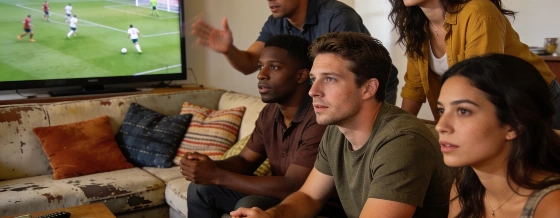
As the 2026 World Cup kicks off, millions in the U.S. feel compelled to tune in—despite controversy, cost, and social tension. What’s behind this powerful pull
The 2026 FIFA World Cup has arrived, and with it, a familiar surge of national anticipation. From June 11 to July 19, teams from 48 countries will compete across stadiums in the U.S., Canada, and Mexico. The U.S. men’s team faces Senegal in their opening match on June 16, with Iraq and Norway next on the schedule. But the real story isn’t just on the field—it’s in the living rooms, bars, and parks where Americans gather to watch. According to a new Ipsos-BVA survey, about half of U.S. adults say they plan to follow the tournament. That’s a staggering number, especially given the swirl of controversy around this year’s event, from travel restrictions on certain officials to heated debates over the tournament’s economic and environmental impact.
What makes soccer, more than any other sport, such a unifying force? Psychologists point to its rare ability to cut across class, age, and geography. In the words of New York-based clinical psychologist Dr. Michael Spath, soccer is “the sport anyone can play, no matter where they come from or what they have.” It’s a social glue, binding together neighborhoods, families, and even strangers. The World Cup, then, becomes a mirror for our need to belong—a need that’s especially acute in a country as diverse and divided as the U.S. Ipsos-BVA’s data shows that while 23% of Americans watch for the love of the game, 27% are drawn in by the collective energy, the sense of being part of something bigger than themselves.
Soccer’s psychological pull goes deeper than simple entertainment. The game itself is a microcosm of society, with its clear roles—attackers, defenders, goalkeepers—offering viewers a chance to see themselves reflected on the field. The matches channel aggression and rivalry into a symbolic contest, allowing fans to process tension and stress in a safe, ritualized way. This is not unique to soccer, but the scale and intensity of the World Cup amplify the effect. The event also stirs up national pride, sometimes to a fever pitch. In a year marked by political and social strain, the U.S. enters the tournament as a favorite in the minds of many fans. According to Ipsos-BVA, 38% of respondents who expressed an opinion picked the U.S. as likely champions, far ahead of traditional powerhouses like Spain, Brazil, Portugal, and Germany.
Yet the World Cup’s popularity isn’t just about patriotism or escapism. It’s about the rare moments of connection it creates—between friends, families, and even strangers. The collective experience of watching a match, feeling the highs and lows together, can be a powerful antidote to loneliness and division. As Psytheater.com reports, these shared rituals help explain why so many Americans, even those who rarely watch sports, find themselves drawn in every four years. The World Cup becomes a kind of national therapy, channeling hopes, frustrations, and dreams into ninety minutes of play.
Soccer’s role as a social connector is especially visible in immigrant communities, where the sport often serves as a bridge between cultures and generations. For many, cheering for a team is a way to honor heritage while forging new bonds in a new country. The World Cup’s global stage makes these connections visible, reminding viewers that belonging can be both local and international. Even as debates rage over the tournament’s costs and controversies, the emotional logic of the event remains stubbornly powerful.
Sports psychologists have long studied the ways collective rituals—like watching a big game—can help people manage stress, build resilience, and even recover from setbacks. The World Cup, with its mix of drama, unpredictability, and shared stakes, offers a unique laboratory for these dynamics. For some, the event is a welcome distraction from daily pressures; for others, it’s a chance to reconnect with family or community. Either way, the psychological benefits are real, even if they’re hard to measure in the moment.
For those who find themselves swept up in the World Cup’s current, it’s worth remembering that the pull of the game is about more than just sport. It’s about the deep human need for connection, meaning, and shared experience—a need that, for a few weeks every four years, finds its fullest expression on the world’s biggest stage.
Group rituals like watching the World Cup can have measurable effects on emotional well-being. Psychologists note that shared experiences—especially those involving suspense, competition, and collective identity—can help regulate stress and foster a sense of belonging. These effects are not limited to sports; similar patterns emerge in music festivals, religious gatherings, and even political rallies. The key is the combination of anticipation, uncertainty, and communal focus, which together create a powerful psychological environment. For some, these moments offer relief from isolation or anxiety; for others, they reinforce social bonds that might otherwise fray in daily life.
- Social Adaptation and Social Phobia
- Friendship Psychology and Building Healthy Adult Connections
- Negative Mental States and Emotional Balance in Daily Life
- Everyday Psychology Practical Insights for Real Life Problems
- Emotional States
- Work and Society
- Emotional Regulation
- Social Support
- Stress
- Community Mental Health