Most Americans still choose a cashier over a machine at the grocery store—here’s what that reveals
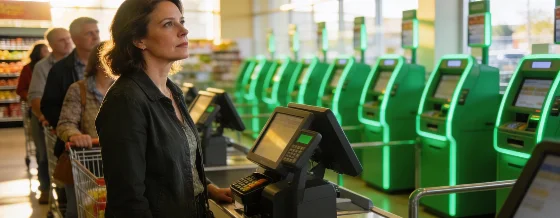
Picture this: the self-checkout lanes are wide open, their green lights beckoning, but you find yourself waiting behind a line of full carts at the traditional register. In an era where supermarkets push speed and automation, this choice stands out. According to a recent survey, nearly seven out of ten Americans still prefer a human cashier over a machine. That decision, it turns out, is more than just habit—it’s a window into how we relate to others.
Psychologists point to a strong sensitivity to human connection as a key trait among those who avoid self-checkout. Even brief exchanges—a hello, a smile, a few words—can lift mood and anchor us in the present. These “microcontacts” may seem trivial, but they play a real role in emotional well-being, especially as daily life becomes more automated and impersonal. For many, the act of choosing a cashier is a quiet stand against the drift toward isolation.
Social scientists have long described the power of “weak ties”—the fleeting, low-stakes interactions that knit together a sense of community. In the self-checkout lane, everything is transactional and silent. In the cashier line, those weak ties multiply, offering small but meaningful moments of sociability. This need for connection is especially acute as loneliness rates rise. Recent data show that chronic loneliness has increased since the pandemic, with millions of Americans now reporting persistent feelings of isolation. For some, waiting for a cashier is a small, personal way to push back against that trend.
But the preference for human interaction isn’t just about emotional needs. It also reflects deeper personality traits. People who avoid self-checkout often value reliability and trust. They worry about technical glitches, scanning errors, or the stress of managing everything alone. This caution isn’t a flaw—it’s a sign of thoughtful, socially aware decision-making. For older adults, the pattern is even more pronounced. Fewer than one in ten retirees use self-checkout regularly, and many associate the machines with job loss and the erosion of familiar routines. Some studies estimate that tens of thousands of retail jobs have disappeared due to automation, fueling a sense of solidarity with workers and a desire to preserve human roles in public life.
There’s also a mental health angle. Choosing a cashier over a machine can act as a subtle form of self-care. It’s a way to slow down, feel seen, and maintain a sense of belonging in a world that often feels rushed and anonymous. For those who prefer the speed and independence of self-checkout, the story is different—efficiency, autonomy, and sometimes social fatigue drive the choice. There’s nothing wrong with that. Microcontacts can be found elsewhere: at the bakery, on the sidewalk, in the elevator. But for those who seek out the cashier, their sensitivity to human connection is a daily reminder that sociability remains a basic human need.