
A 16-year-old’s relentless drive for tango has his mother on edge over money and limits. A behavioral psychologist cuts through the noise on adolescent passion and when parents should intervene.
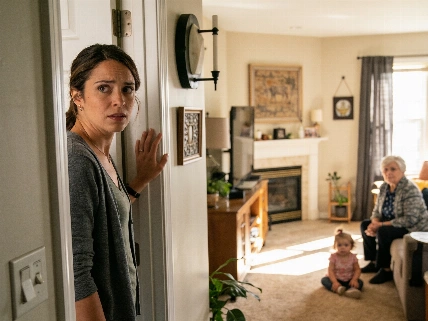
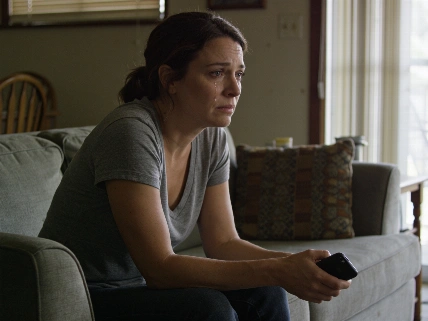
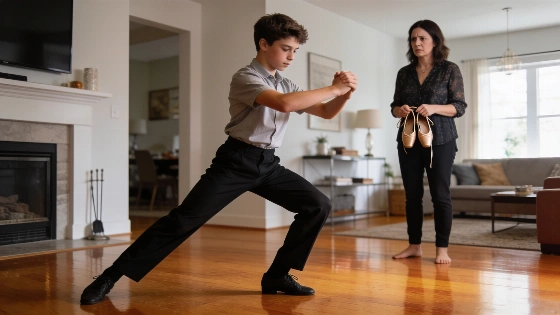
Sixteen-year-olds rarely keep their passions quiet. In one suburban home, a mother watches her son pour every spare hour and dollar into tango. He hits up local milongas, talks dance nonstop, and keeps asking for cash for new shoes or costumes. The mother’s patience is wearing thin. She wonders if this is a harmless obsession or a warning sign she shouldn’t ignore.
Dr. Laura Bennett, a behavioral psychologist, sees this kind of tunnel vision all the time. Teens latch onto a sport or art form as they hunt for identity and a sense of belonging. The drive itself doesn’t set off alarms. “At sixteen, strong interests are developmentally normal,” Bennett says. “Teens use these pursuits to test out identities, find their tribe, and earn recognition.”
Current scientific reviews do not confirm that an intense passion for dance is pathological in itself; rather, dance is associated with potential physical, cognitive, and psychological benefits, though research quality is uneven and evidence for adolescents remains inconclusive.
Parents sometimes get spooked by the specifics. Tango, with its adult reputation and gender stereotypes, can feel out of place for a teenage boy. Bennett doesn’t buy that argument. She points to the real-world benefits: dance builds stamina, sharpens memory, and connects kids socially. The content matters less than the impact on daily life. A review of dance research finds no evidence that tango is off-limits for boys. Dance, in any form, counts as physical and social engagement.
Money, though, is where the friction starts. The son’s steady requests for gear and costumes have turned into a sticking point. Bennett draws a clear boundary: parents don’t have to fund every whim. Setting a monthly budget for dance expenses is fair and healthy. “You can respect your child’s passion without agreeing to unlimited expenses,” she says. “Agree on a monthly budget for dance-related costs and stick to it.” No research sets a hard line for what counts as “too much” spending or participation at sixteen. The real test is whether the hobby disrupts the teen’s well-being or the family’s stability.
It’s easy to mistake discomfort for danger. If the teen keeps up with school, sleeps well, and maintains friendships, there’s little reason to panic. Bennett warns against banning tango just because it feels strange. She tells parents to watch for real warning signs: dropping grades or risky choices. Otherwise, this kind of obsession usually burns out or shifts as teens grow. Some studies, like a randomized trial with young adults aged 18–24, found that eight weeks of salsa cut depression scores by about 3 points on the PHQ-9 scale, compared to less than 1 point in a control group. But those results don’t map directly to 16-year-olds and don’t prove dance beats therapy or medication for mental health.
The most convincing evidence for the benefits of dance currently relates to older adults; for children, adolescents, and young adults, systematic reviews emphasize the need for further research. Extrapolating these results to a 16-year-old requires caution.
Money can turn into a power struggle fast. As reported earlier, unchecked financial support can morph into emotional leverage, eroding trust and autonomy. In families, clear spending agreements teach teens about limits and responsibility—skills that stick long after the music stops.
What’s really at play here isn’t the tango itself. It’s the mother’s discomfort with her son’s intensity and the tension over money. Teens need room to chase their interests, but they also need parents who can set limits without shaming or pathologizing. The healthiest families manage to support passion and hold the line on excess. When parents respond with curiosity and structure, not fear or overindulgence, they give their kids a shot at real resilience.
Tango demands coordination and memory. For teens, dance can build confidence and discipline. Most obsessions fade or shift as kids mature. The job for parents is to watch for distress or dysfunction, not to clamp down at the first sign of intensity. Open communication and clear boundaries keep families steady, even when passions run hot.