
A child caught between a father’s alcohol-fueled rage and a mother who refuses to leave faces daily threats, confusion, and emotional scars that can last for years
When a parent’s drinking spirals into violence, the entire family is forced to navigate a minefield. For children, the home becomes a place of constant tension—never knowing when the next outburst will erupt or how to keep themselves and their loved ones safe. According to Psytheater.com, these situations are not rare, and the emotional fallout can be profound.
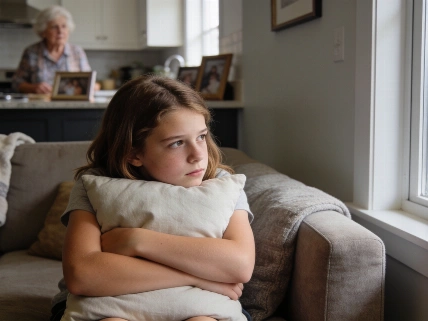
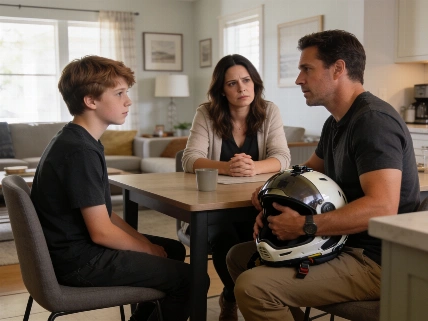
In many families, a child may try to intervene or defuse the situation, only to be blamed by both parents. One moment, a father is demanding keys in a drunken rage; the next, a mother lashes out at her child for trying to keep the peace. The child’s instinct is survival—doing whatever it takes to prevent escalation, even if it means making impossible choices. But these efforts rarely resolve the underlying danger. Instead, they reinforce a cycle where the child feels responsible for adult chaos.
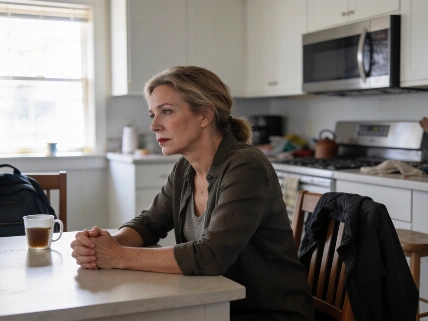
Often, the nonviolent parent refuses to leave, citing financial insecurity or fear of the unknown. “It’s not worth it,” becomes a refrain, masking deeper anxieties about money, housing, and single parenthood. The child, meanwhile, is left to absorb the trauma, powerless to change the situation and forced to witness repeated harm. As one expert notes, the decision to stay is the adult’s alone, but the consequences ripple through the child’s life.
During violent episodes, safety becomes the only priority. Experts recommend that children avoid engaging with the aggressive parent, retreat to a locked room if possible, and memorize emergency numbers. If physical violence erupts, calling 911 is not an overreaction—it’s a necessary step to protect lives. While this may anger the parents, the risk to health and safety outweighs the discomfort of family secrets being exposed.
Support from outside the family is critical. School counselors, teachers, and social workers are trained to respond to signs of domestic violence and can connect children to resources. Confidentiality is respected, but when a child’s safety is at risk, intervention is required. National hotlines, such as the National Domestic Violence Hotline and child helplines, offer anonymous, round-the-clock support and can guide children and parents to shelters, crisis centers, or legal aid. In some cases, children find comfort in talking to trusted adults outside the home, even if it means risking parental anger.
Patterns of family violence and emotional neglect can persist for generations if left unaddressed. As seen in stories like how old family patterns can leave children anxious about triggering a parent’s anger, the scars of childhood exposure to violence often shape adult relationships, self-worth, and mental health. Breaking the silence is the first step toward safety and healing, even when the path forward is uncertain.
Research from the U.S. Department of Health and Human Services shows that over 7 million children live in households where at least one parent struggles with alcohol use disorder. Of these, a significant portion are exposed to domestic violence, which increases the risk of anxiety, depression, and post-traumatic stress symptoms. Early intervention and access to support services can reduce long-term harm, but many families remain isolated due to stigma and fear of legal consequences.
Domestic violence is not just a private matter—it’s a public health crisis with far-reaching effects. Children who grow up in homes marked by substance abuse and aggression are more likely to experience academic struggles, social withdrawal, and chronic health issues. Trauma-informed therapy, support groups, and community resources can help survivors rebuild a sense of safety and agency. Recognizing the signs and reaching out for help are crucial steps, both for children and the adults responsible for their care.