
A 12-year-old describes the fear and exhaustion of growing up with a father who cycles through periods of heavy drinking, while a psychologist explains what children in these homes need most
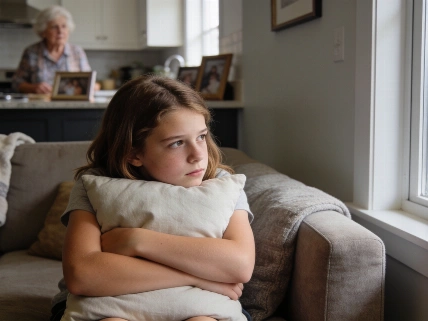
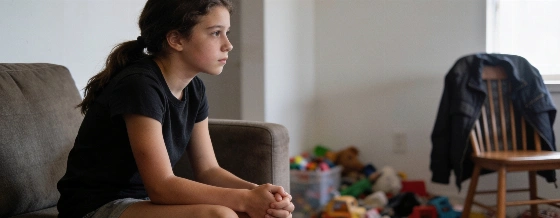
At 12, Madison already knows what it means to live on edge. Her father, despite holding significant assets and multiple rental properties, disappears into drinking binges that can last days. When he returns, the house shifts—his mood swings from sullen to explosive, and the air thickens with tension. Madison finds herself constantly scanning for signs of the next outburst, her body bracing for the unpredictable. The emotional toll is relentless: fear, exhaustion, and a creeping sense of responsibility for problems she never caused.
According to Psytheater.com, children in homes with alcohol dependence often internalize the chaos. They may blame themselves for a parent’s behavior, withdraw from friends, or develop anxiety symptoms that linger long after the crisis passes. Psychologist Dr. Tanya Galich emphasizes that addiction is a medical condition, not a moral failing. The erratic, sometimes aggressive actions of a parent in active addiction are symptoms of the disorder—not deliberate cruelty. Still, the impact on children is profound, shaping their sense of safety and self-worth.
Madison’s story is not rare. The National Institute on Alcohol Abuse and Alcoholism estimates that more than 7.5 million children in the U.S. live with a parent who has an alcohol use disorder. Many, like Madison, feel trapped by secrecy and shame. Dr. Galich urges kids in these situations to reach out to trusted adults—teachers, relatives, or counselors—who can help them find safety and support. Open conversations with the non-using parent are critical, even if it feels risky. Naming fears and feelings out loud can break the isolation and help children reclaim a sense of agency.
It’s also vital for children to understand that they are not responsible for their parent’s drinking or recovery. Their job is not to fix the adult or manage the household’s emotional climate. Instead, they have the right to feel safe, to express their needs, and to seek help. National hotlines and local organizations offer confidential support for families affected by addiction. For some, reading about others’ experiences—such as the ongoing struggle for parental approval described in this article on sibling rivalry and family dynamics—can provide perspective and hope.
Alcohol use disorder is a chronic, relapsing brain disease that affects not only the individual but the entire family system. Research shows that children exposed to parental addiction are at higher risk for emotional distress, academic problems, and later substance use. Early intervention—through therapy, school support, or community programs—can reduce these risks and help children build resilience. Recognizing the signs and seeking help is not just an act of self-preservation; it’s a step toward breaking the cycle for future generations.
Family therapy is often recommended for households affected by addiction. This approach helps all members understand the dynamics at play, set healthy boundaries, and develop coping strategies. Sessions may focus on communication skills, emotional regulation, and rebuilding trust. While recovery is a long process, involving the whole family can improve outcomes for both the person struggling with addiction and their loved ones.