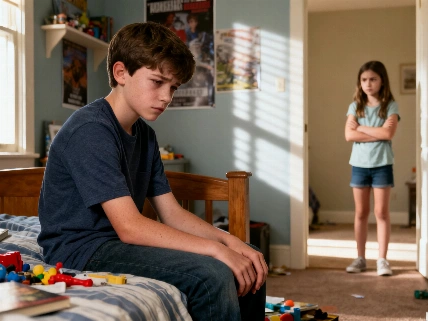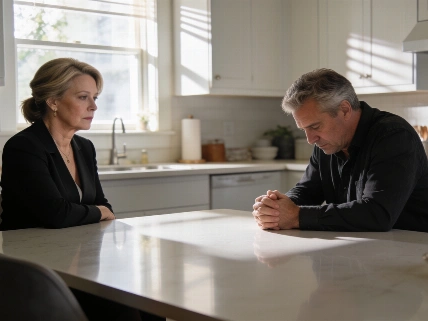
A mother describes living with her 14-year-old son’s explosive tantrums and property destruction, made worse by a grandmother who undermines discipline and fuels family conflict
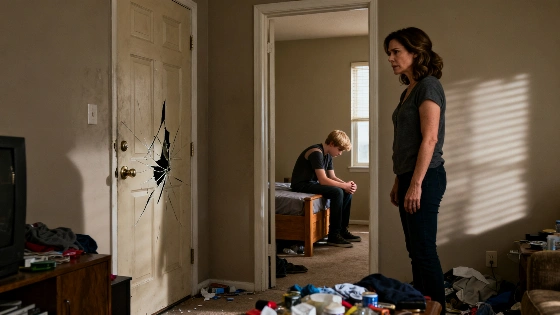
Living in a cramped two-bedroom apartment with a volatile teenager and a permissive grandmother, one mother finds herself at the edge of emotional collapse. Her 14-year-old son’s outbursts have escalated from shouting and insults to smashing doors and breaking expensive appliances. Each time she tries to set boundaries—taking away his phone, restricting privileges—her own mother steps in, reversing punishments and handing back devices. The result is a household where rules mean nothing, and chaos rules the day.
According to Psytheater.com, this kind of family dynamic is a recipe for emotional exhaustion. The mother is forced into the role of both disciplinarian and emotional buffer, while the grandmother’s constant undermining erodes any sense of authority. The teenager, caught between conflicting signals, lashes out in destructive ways. He tears up belongings, yells that he hates everyone, and seems to act out just to provoke a reaction. The mother’s frustration is palpable: she dreams of moving out, but financial constraints keep her trapped in the cycle.
What’s happening here isn’t just “teenage rebellion.” When a young person repeatedly destroys property and can’t control their rage, it may signal deeper emotional or psychiatric issues. The lack of a unified parental front leaves the teen without clear boundaries, fueling his anxiety and anger. The grandmother’s indulgence, perhaps rooted in her own unresolved conflicts, only intensifies the problem. The mother, meanwhile, is left feeling powerless—her attempts at discipline are not just ignored, but actively sabotaged.
In this environment, the teen’s aggression becomes a desperate search for limits. He tests every boundary, hoping someone will finally hold firm. When no one does, his anger grows, and so does his sense of isolation. The mother’s own mental health suffers; she describes feeling like she’s losing her mind, unable to control her son, her mother, or even her own living space. The emotional toll is immense, and the risk of burnout or breakdown is real.
Experts caution that when a teenager’s behavior crosses into property destruction and verbal abuse, it’s time to seek professional help. This isn’t about “bad parenting” or a “difficult phase”—it may be a sign of mood disorders, depression, or other underlying conditions. A psychiatric evaluation can help determine if medication or therapy is needed to stabilize the teen’s mood and restore some sense of safety at home. The mother, too, may benefit from counseling or support groups to manage her own stress and regain a sense of agency.
One critical step is to stop expecting solidarity from the grandmother. Accepting that the household is divided may actually reduce the mother’s frustration. Instead of fighting a losing battle for control, she can focus on protecting her own boundaries—emotionally and physically. That might mean carving out time away from home, pursuing hobbies, or simply refusing to engage in endless arguments. During calmer moments, consequences for destructive behavior should be clear and concrete: if something is broken, there are no replacements or new gadgets for a set period. These are not punishments, but natural outcomes that even a permissive grandparent can’t easily undo.
Ultimately, this family’s struggle highlights the dangers of “dual authority” in the home. When adults send mixed messages, teens are left adrift, and everyone suffers. The mother’s anger and resentment are not signs of failure—they are signals that her own boundaries have been violated too many times. In situations like this, self-preservation is not selfish. As the old airline rule goes: put on your own oxygen mask first, then help your child.
When teens display persistent aggression, property destruction, or emotional volatility, clinicians often look for signs of underlying mood or behavioral disorders. Oppositional Defiant Disorder, Conduct Disorder, and adolescent depression can all manifest as rage, defiance, and even violence at home. Treatment may involve a combination of therapy, family counseling, and sometimes medication to stabilize mood and reduce impulsivity. Early intervention is key—not just for the teen’s well-being, but for the mental health of everyone in the household.
- Child Psychology
- Aggression and Anger Outbursts
- Negative Mental States and Emotional Balance in Daily Life
- Child and Teen Counseling Strategies for Emotional Development
- Personal Boundaries How to Build Protect and Maintain Them
- Anger Outbursts
- Emotional Dysregulation
- Child Development
- Family Systems
- Parents
- Teenagers