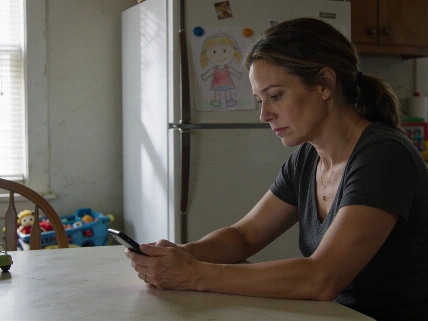
A mother describes how her husband’s violent outburst behind the wheel put her and her son in danger, forcing them to escape and confront the reality of abuse
Driving with your child in the back seat, you expect to keep them safe. For Allison, 30, that expectation shattered in seconds. She was behind the wheel, her 11-year-old son buckled in, when a routine family disagreement turned into a crisis. Her husband wanted to stop at a government office; her son wanted to go to the park. Allison chose the park, honoring a promise to her son. Her husband’s response was instant and violent—he called her a name and struck her across the face while she was driving.
Her son screamed from the back, terrified. Allison tried to keep control of the car, repeating that she was driving and needed to focus. Her husband hit her again. She managed to keep the vehicle steady, but the threat was clear: one more blow, one moment of distraction, and they could have crashed. When her husband demanded she pull over for water, he hit her a third time as he got out. That was the moment Allison broke down. Her son, shaken but thinking fast, urged her to drive away before his father returned. She told him to climb into the front seat, and together they left, heading straight to her mother’s house instead of home.
According to Psytheater.com, Allison had never seen this level of aggression from her husband before. The shock was overwhelming, but the decision was immediate—she would not return. She explained to her son that touching or hitting a driver is never acceptable, no matter the argument. The risk of a crash is real, and violence behind the wheel can be fatal. As they drove away, her son clung to her, and she realized the full weight of what had happened: her marriage had crossed a line that could not be uncrossed.
Allison’s story is not unique. Domestic violence often escalates in unpredictable ways, sometimes triggered by seemingly minor disagreements. The presence of children adds another layer of trauma, as they become both witnesses and victims. In the aftermath, Allison focused on calming her son, reassuring him, and seeking safety. She also recognized the need for professional help—not just for herself, but for her child, who had seen his father become a threat. There are organizations in the U.S. that offer free support and counseling for women and children escaping abuse, helping them rebuild their lives and process the trauma.
It’s important to recognize that violence is never justified by stress, emotion, or circumstance. Even if it happens only once, it is a crime. Experts stress that returning to an abusive partner without serious intervention and therapy is dangerous. Some programs work with perpetrators of violence, but the priority must always be the safety and recovery of those harmed. For anyone facing similar situations, reaching out to crisis hotlines, shelters, or support groups can be a critical first step. As Allison’s experience shows, the decision to leave is not just about ending a relationship—it can be about saving lives.
Even couples who seem stable can face moments of conflict that test the limits of safety and trust. As explored in this analysis of conflict in marriage, the difference between healthy disagreement and dangerous escalation is not always obvious until boundaries are crossed. Recognizing the warning signs and acting quickly can prevent tragedy.
Domestic violence remains a widespread issue in the United States. According to the National Coalition Against Domestic Violence, one in four women and one in nine men experience severe intimate partner violence in their lifetime. Each year, thousands of children witness abuse at home, increasing their risk for emotional and behavioral problems. Early intervention, access to support services, and public awareness are key factors in reducing harm and helping survivors recover.
Trauma from domestic violence can have lasting effects on both adults and children. Symptoms may include anxiety, sleep disturbances, hypervigilance, and difficulty trusting others. Trauma-informed therapy, such as cognitive behavioral therapy (CBT) or eye movement desensitization and reprocessing (EMDR), can help survivors process their experiences and regain a sense of safety. Support networks, including friends, family, and specialized organizations, play a crucial role in long-term recovery.