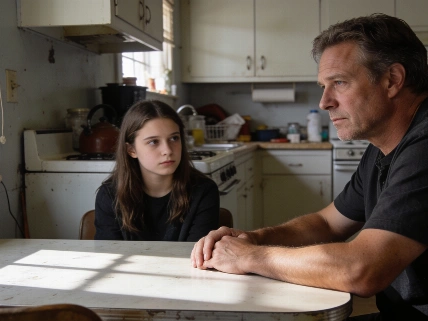


After a painful split, many find it hard to trust new partners or even imagine a relationship that feels truly right. Why does it feel impossible to connect, and what keeps us stuck in old patterns
Fifteen years with a partner can leave deep marks, especially when the relationship ends not by choice but by necessity. For many divorced women, the idea of reconnecting with an ex is off the table, yet the prospect of finding someone new feels equally daunting. The fear isn’t just about meeting the wrong person—it’s about not recognizing what “right” even means anymore.
After a marriage ends, especially one that involved betrayal or emotional distance, it’s common to question your own judgment. Was your ex ever truly the right fit, or did you adapt to what was available? This kind of self-examination is uncomfortable but necessary. It’s not just about what you want in a partner, but about how you want to feel in a relationship—and whether you believe you deserve that feeling.
Many women report that attempts to date again quickly run into dead ends. Some men offer only casual connections, while others simply don’t spark any real interest. The temptation to blame yourself or to feel pressure to “move on” can be strong, especially when friends or family expect you to pair up again. But the reality is, there’s no timeline for rebuilding trust or desire. According to Psytheater.com, the process of finding a compatible partner after divorce is often slow, and the sense that “no one feels right” is more common than most admit.
It’s worth asking: What need would a new relationship actually fill? Is it about companionship, validation, or something else? If the answer is unclear, that’s a sign to pause and reflect, not to rush. The urge to justify your single status—either to yourself or others—often masks deeper questions about self-worth and autonomy. Are you seeking a partner because you genuinely want one, or because you feel you should?
Fear plays a central role. Sometimes it’s fear of repeating old mistakes, sometimes it’s fear of the unknown. The mind can loop through worst-case scenarios, making it hard to trust your own instincts. For some, the idea of reconnecting with an ex lingers—not out of real desire, but because it feels safer than starting from scratch. As explored in a related piece on how staying close to an ex can create emotional confusion, maintaining contact with a former partner can blur boundaries and stall emotional recovery.
There’s no universal answer for when or how to start over. What matters is clarity—about your needs, your fears, and your boundaries. Allow yourself to want only what truly fits, even if that means waiting longer or saying no more often. The right relationship isn’t about filling a gap; it’s about building something that feels authentic, mutual, and safe.
Recent studies from the American Psychological Association show that nearly 60% of divorced adults report difficulty trusting new partners, and over 40% say they feel pressure from their social circle to re-partner within two years of separation. These numbers highlight how common it is to struggle with both internal doubts and external expectations after a major breakup.
Attachment theory offers a useful lens for understanding post-divorce relationship patterns. People with secure attachment styles tend to recover more quickly and form new bonds with less anxiety, while those with anxious or avoidant tendencies may find themselves stuck in cycles of doubt or withdrawal. Therapy approaches like Emotionally Focused Therapy or Acceptance and Commitment Therapy can help individuals clarify their needs and break out of old relational patterns, making it easier to recognize when a new connection is genuinely right—or when it’s time to step back and focus on self-growth.