
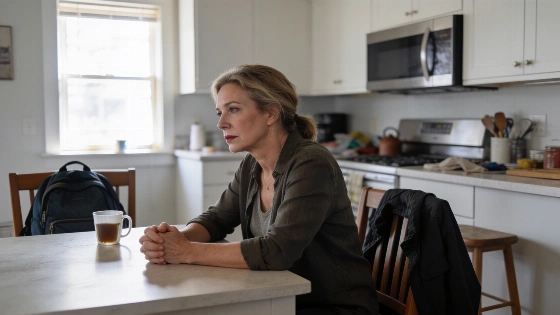
After years of false accusations and emotional abuse, a woman separates from her husband. A psychologist explains the risks of delusional jealousy and how to protect yourself
For four years, Linda, 59, endured relentless accusations of infidelity from her husband. No evidence, no logic—just a constant barrage of suspicion, insults, and humiliation. After nearly four decades of marriage, she finally moved out, taking their teenage son with her. The pain didn’t end with distance. Her husband’s campaign continued, poisoning family relationships and leaving Linda isolated and emotionally raw.
Delusional jealousy, sometimes called Othello syndrome, is not just a quirk or a phase. It’s a psychiatric syndrome that can accompany disorders like chronic delusional disorder, schizophrenia, or alcohol-induced psychosis. According to the ICD-10, these cases are coded as F22.01, F10.5, or F20, depending on the underlying condition. The person becomes convinced of a partner’s betrayal, building elaborate “proof” from thin air, and cannot be reasoned with. Attempts to explain or defend yourself only fuel the cycle.
Living with someone in the grip of this syndrome is not just emotionally exhausting—it can be dangerous. Delusional jealousy is a known risk factor for both psychological and physical violence. The urge to “fix” the relationship or persuade the partner to seek help is understandable, but rarely effective. As Linda learned, conversations quickly devolve into more abuse. The priority must shift from saving the marriage to protecting your own safety and mental health.
Many people in Linda’s position struggle with guilt, fear of divorce, and the hope that one more heartfelt talk might break through. But as clinical psychologists stress, the responsibility for change lies with the person experiencing the delusions. If they refuse treatment, your options are limited. Maintaining a safe distance is not abandonment—it’s self-preservation. If threats escalate, calling a psychiatric crisis team may be necessary. For those feeling trapped or overwhelmed, seeking support from a therapist is not just helpful, but essential.
Family and friends often don’t understand the gravity of the situation. The abuser may manipulate others, spreading damaging stories and isolating the victim further. In these moments, it’s crucial to remember that your need for safety and respect is legitimate. As this analysis of controlling and emotionally draining partners shows, emotional abuse can be as corrosive as physical violence, and the path to recovery starts with reclaiming your boundaries.
According to Psytheater.com, delusional jealousy is not a standalone diagnosis but a syndrome that often signals deeper psychiatric issues. The affected person’s freedom to refuse treatment is protected by law unless they pose an immediate danger. For partners, this legal reality can feel like a trap, but it also clarifies the limits of what you can control. Your well-being is not negotiable. Living your own life, building new routines, and seeking professional help are not acts of selfishness—they are necessary steps toward healing.
Recent studies show that delusional jealousy affects an estimated 0.1–1% of the adult population, with higher prevalence among those with substance use disorders or severe mental illness. The risk of violence in these relationships is significantly elevated, making early intervention and safety planning critical. Mental health professionals recommend that anyone experiencing persistent, groundless accusations and emotional abuse document incidents, inform trusted contacts, and develop a clear plan for crisis situations. Support groups and therapy can provide validation and practical tools for rebuilding a sense of agency and security.