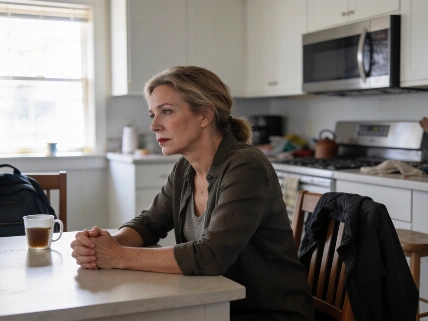

A father faces the collapse of his marriage and the sudden loss of both parents, struggling to stay connected with his daughters while navigating deep loneliness
In the span of just a few months, Mark, 54, watched his life unravel. His wife left him for someone else, taking with her the sense of stability he’d built over decades. Then, before he could catch his breath, both of his parents died. He’s now the only child left to process their absence. One daughter is away at college, the other—a high school sophomore—still lives at home. But Mark says he’s never felt more alone.
According to Psytheater.com, the shock of multiple losses in quick succession can leave people feeling isolated, even when family remains. The pain of divorce is not the same as the grief of losing a parent. Divorce often brings anger, betrayal, and a sense of injustice. Death, on the other hand, can leave you feeling powerless and adrift. When these events collide, it’s easy to feel overwhelmed by the weight of it all.
Yet, even in the thick of grief, there are threads of connection. Mark’s younger daughter is still at home. She needs support, but she can also offer it. Shared routines—talking over dinner, checking in about her day, letting her see his own vulnerability—can help both of them feel less alone. The older daughter, though living in another city, is still reachable. Phone calls, visits, and honest conversations about their shared losses can help rebuild a sense of family, even if it looks different now.
It’s common for parents to worry about burdening their children with adult pain. But research shows that open, age-appropriate communication about loss can actually strengthen family bonds. Children and teens who feel included in the process of grieving are less likely to withdraw or act out. For Mark, this means not shutting down, even when it feels easier to retreat.
Sorting Through Grief
Not all losses are equal, and it’s important to separate them. The end of a marriage is a rupture with its own set of emotions—anger, resentment, sometimes relief. The death of parents is final, and the grief can be raw and disorienting. Trying to process both at once can make it hard to know what you’re actually feeling. Experts recommend naming each loss and allowing space for each emotion, rather than letting them blur together into a single, crushing sense of abandonment.
Mark’s situation is not unique. Many people in midlife face a convergence of losses—divorce, death, children leaving home. The sense of being left behind can be intense. But as other stories of marital breakdown and emotional strain show, these moments can also prompt a reevaluation of what matters and who remains in your corner.
Support doesn’t always come from family. Friends, colleagues, and even acquaintances can offer a listening ear or a distraction. Some find comfort in support groups for those grieving a loss or adjusting to divorce. Others turn to therapy, where the focus is on rebuilding a sense of self and learning to live with, rather than erase, the pain.
Rebuilding After Loss
Mark still has his job, a few close friends, and the memories of his parents. These are the building blocks for whatever comes next. Grief doesn’t have a set timeline. Some days will feel manageable; others, unbearable. But the presence of his daughters—however imperfect or distant—means he is not truly alone. The challenge is to reach for connection, even when it feels risky or awkward.
For those facing similar upheaval, experts suggest focusing on small, daily acts of care—making a meal, going for a walk, reaching out to someone you trust. Over time, these routines can help anchor you, making the future feel less daunting. The goal isn’t to erase the pain, but to find a way to carry it without letting it define you.
Recent studies from the American Psychological Association show that nearly 40% of adults in the U.S. report feeling lonely after a major life change such as divorce or bereavement. Participation in support groups or therapy has been linked to improved emotional outcomes and a greater sense of belonging. These findings highlight the importance of seeking connection, even when it feels out of reach.
Family therapy can be especially helpful when multiple members are grieving at once. A skilled therapist can help families navigate difficult conversations, set boundaries, and find new ways to support each other. While the process is rarely easy, it can lay the groundwork for a different, but still meaningful, sense of family.