
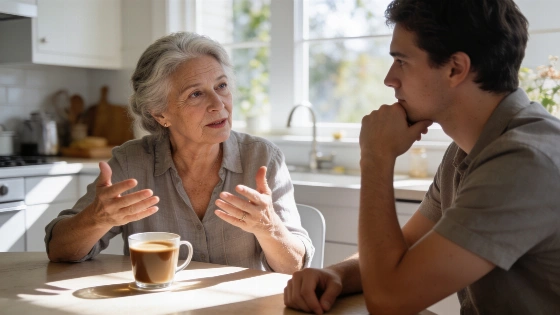
When adults over 70 are asked what truly matters for happiness, their answers rarely mention money or career. Instead, they point to a handful of habits and relationships that shape well-being across decades
Ask a group of Americans over 70 how to build a happy life, and you’ll hear a striking consensus. Their advice is blunt, practical, and almost never about status or wealth. Instead, they focus on a few core habits: nurturing close relationships, caring for their bodies, staying present, and finding ways to feel useful. These themes echo across research and lived experience, cutting through the noise of self-improvement culture.
According to a national survey by Viavoice for Harmonie Mutuelle, 84% of Americans aged 70 and up describe themselves as happy, even among those living in assisted care. When asked what happiness means, they name health, meaningful connections, and enjoying daily life. Career and money barely register. For this generation, happiness is not a stroke of luck or a reward for achievement—it’s a skill, built and rebuilt as circumstances change.
What does this look like in practice? Most describe happiness as the ability to move around, see loved ones, get outside, and savor small pleasures—a good meal, a sunny day, a laugh with a friend. These are not grand ambitions, but they form a sturdy foundation. The realism in their answers stands out: happiness is not about chasing highs, but about maintaining what matters most, even as health or independence shifts.
Relationships First
Social ties top the list. The Viavoice survey found that relationships are nearly as important as health in defining happiness for older adults. This aligns with the Harvard Study of Adult Development, which has tracked hundreds of people since 1938. Psychiatrist Robert Waldinger, who leads the study, notes that strong, trusting relationships are the single best predictor of both happiness and long-term health. For younger adults, this means investing in a few close bonds rather than collecting acquaintances. The same pattern appears in how older generations approach technology and social etiquette—many resist the urge to let screens interrupt real connection, as explored in this analysis of generational phone habits.
Other pillars include a balanced lifestyle and the ability to enjoy the present. Older adults talk about caring for their bodies without obsession: walking, eating simply, following medical advice, and adapting their homes to stay independent. Many mention the importance of not postponing pleasure—taking time for a favorite coffee, a walk, or a shared joke. Psychologist Laura Carstensen’s research shows that as people age, they focus more on emotional goals and daily joys, developing habits of gratitude and mindfulness that buffer against stress.
Practical Wisdom for Any Age
For younger readers, the advice from older Americans is refreshingly concrete. Their top recommendations could fit on a sticky note: choose a few relationships to nurture, take care of your body, savor small moments, practice gratitude, and do something that feels meaningful—whether that’s helping, teaching, or volunteering. These habits don’t erase hardship, illness, or loneliness, but they offer direction at any stage of life. When sadness or isolation becomes overwhelming, many seniors emphasize that seeking help from a doctor or therapist is part of learning to sustain happiness over time.
Recent data from the Centers for Disease Control and Prevention (CDC) supports these findings. In 2023, the CDC reported that older adults who maintain regular social contact and physical activity have significantly lower rates of depression and anxiety. The National Institute on Aging also highlights that purpose-driven activities—like volunteering or mentoring—are linked to better cognitive health and greater life satisfaction in later years.
Social connection is a recurring theme in mental health research. Studies show that loneliness and isolation increase the risk of depression, cognitive decline, and even physical illness among older adults. Programs that foster community engagement, intergenerational relationships, and accessible mental health care are now recognized as essential for healthy aging. For families and caregivers, supporting these connections can make a measurable difference in both mood and resilience.