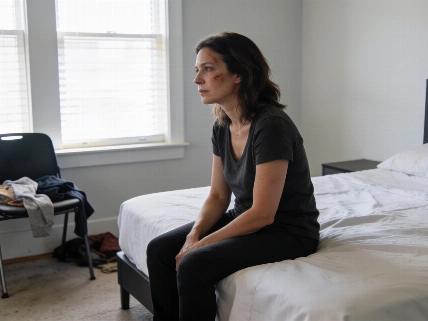


If you find yourself apologizing for a messy house before guests arrive, you may be reacting to patterns rooted in childhood and family dynamics, not just concern about cleanliness or order
“Sorry about the mess!” If you’ve ever blurted this out before a friend even crosses your threshold, you’re not alone. Many Americans, especially women, feel compelled to preemptively apologize for their homes—even when there’s little to apologize for. A few dishes in the sink, a stray cushion, a bit of dust: these minor imperfections can trigger a wave of embarrassment and self-criticism that seems out of proportion to the reality.
This reflex isn’t just about tidiness. According to Silicon Canals, research suggests it’s often a learned response from childhood, especially in families where affection was conditional. If you grew up with parents who linked love or approval to performance—“If you do things right, I love you; if not, I don’t”—you may have internalized the idea that every social interaction is a test you can fail. Hosting someone in your home becomes less about connection and more about passing an invisible exam.
Psychologists have found that people who apologize for their homes before any criticism arises are often trying to shield themselves from anticipated rejection. By admitting “failure” upfront, they hope to soften the blow of any potential judgment. This pattern can lead to perfectionism, chronic self-doubt, and a persistent sense of being “not enough.”
These dynamics don’t just play out in private. In social settings, the urge to apologize can undermine confidence and reinforce feelings of inadequacy. As explored in a related piece on how people manage their emotional presentation in daily life, the strategies we use to protect ourselves—like apologizing for imagined shortcomings—can sometimes backfire, making us feel even more exposed. For more on the hidden ways people cope with emotional pressure, see this analysis of how outward calm can mask inner tension.
Perfectionism linked to early family messages is not rare. A 2022 study published in the Journal of Personality and Social Psychology found that nearly 30% of adults who reported frequent childhood criticism also described themselves as “chronic apologizers” in adulthood. These individuals were more likely to experience anxiety in social situations and to interpret neutral feedback as negative. The research highlights how early emotional conditioning can shape adult behavior in subtle but powerful ways.
Understanding these patterns is the first step toward change. Therapy approaches like cognitive behavioral therapy (CBT) and schema therapy can help people identify and challenge the beliefs that drive excessive apologizing. By recognizing that affection and acceptance don’t have to be earned through flawless performance, it becomes possible to host others—and live—without constant self-judgment.
Perfectionism is a common theme in therapy rooms across the U.S. It’s often linked to anxiety, depression, and burnout, especially among women juggling work, family, and social expectations. The American Psychological Association reports that perfectionistic tendencies have increased over the past three decades, with social media and cultural pressures amplifying the drive to appear “put together.” Recognizing the roots of these behaviors can help individuals set more realistic standards and foster healthier relationships—with themselves and others.