
Chronic stress and restless nights can feel impossible to shake. Three unconventional mountain practices—forest therapy, laughter yoga, and Nordic yoga—offer surprising relief for anxiety, pain, and sleep issues
The forest did what the spa could not. I stood alone among the pines, boots crunching on snow, eyes shut. My hand pressed against rough bark. My heart slowed. My breath deepened. For the first time in months, I felt safe inside my own skin.
Americans keep searching for ways out of stress, sleeplessness, and pain. Most miss the basics—our senses, our breath, and the wild world outside. In the Haute-Maurienne Vanoise mountains, I tried three practices still rare in the U.S. but catching on with people who have run out of options: forest therapy, Nordic yoga, and laughter yoga. Each one tackles a different part of the stress cycle. Together, they reset the nervous system in ways no pill or app can touch.
A 2019 meta-analysis found that participants who spent time in forests had lower salivary cortisol levels compared to those in urban environments, but the effect was short-term and varied by study.
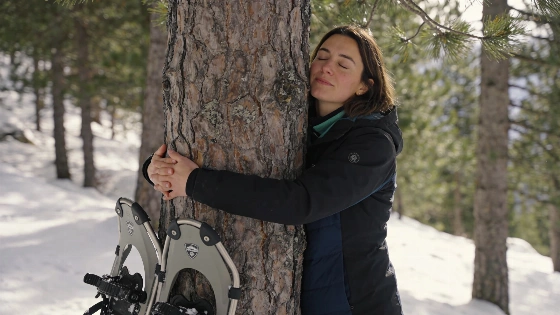
Forest therapy—sometimes called "forest bathing"—is not a hike. It is not exercise. It is slow, deliberate, and all about the senses. A local therapist led me through the woods on snowshoes. Eyes closed, I listened to the snow, smelled moss, felt cold air on my cheeks. The therapist told me to notice my balance and breath. City noise faded. Birdsong and river sounds took over. When I finally hugged a tree—yes, really—I felt a wave of calm, both in my body and my mind. This is not just a feeling. Studies show time in forests can lower blood pressure and anxiety. The effect grows when you drop distractions and just exist. According to a systematic review in the International Journal of Biometeorology, forest environments are linked to lower stress markers, though how long this lasts can change from study to study.
Nordic yoga helps people who carry pain. My partner has battled back pain for years. He doubted it would help. But after twenty minutes of guided moves with trekking poles, he stretched farther and stood taller than he thought possible. The poles made it easier to balance and hold poses. The instructor told him to close his eyes. That forced him to focus on his own body, not on how he looked. The result: less tension, more movement, and a confidence that stuck around long after we left the riverbank. Research from the European Federation of Pain shows that walking-based programs—even at lower intensity than public health guidelines—can bring modest gains in pain and movement for people with chronic pain.
Laughter yoga sounds silly. It is not. In a circle, we passed an imaginary phone and faked laughter. Soon, the giggles turned real. Laughter spread fast. In between, we practiced deep breathing to flood the body with oxygen. The effect hit right away: a rush of endorphins, a sense of connection, and a lightness that lasted for hours. The instructor said ten minutes of laughter can trigger a hormone release that willpower alone cannot match. Even people with injuries or trauma, he said, have found relief—sometimes laughing and crying at once.
Evidence reviews show that laughter and humor interventions can reduce cortisol levels by about 32% compared to controls, but these findings do not prove that laughter yoga specifically treats insomnia or chronic pain.
These routines are not just for athletes or the young. They work for seniors, couples, families, and anyone willing to try something new. The secret is presence. Let go of judgment. Tune in to your body. Allow joy, even if it feels strange. As reported earlier, even a few minutes of mindful movement can shift your mood for the day. In the mountains, surrounded by trees and snow, the effect is stronger. That night, after forest therapy and laughter yoga, my insomnia disappeared. I slept deeply. I woke up at peace. That surprised me.
These mountain routines show that real recovery from stress and sleeplessness is not about escape. It is about coming back to your body, your senses, and the present. Americans spend billions on sleep aids, painkillers, and gadgets. The best reset might be a walk in the woods, a stretch by the river, or a shared laugh in the cold. The nervous system remembers safety. Sometimes, all you need is a little guidance—and the guts to try something new—to find your way back.
Forest therapy is catching on with clinicians as a support for anxiety, depression, and trauma. Unlike talk therapy, it uses the senses and gentle movement to calm the nervous system. Practitioners often add mindfulness or breathwork. Research suggests it can lower stress hormones and lift mood in adults and kids. It is not a replacement for medical care. But it is low-risk and easy to try, especially for people who feel stuck or cut off from their bodies. Still, as a review of forest bathing studies notes, there is no set "dose" of forest therapy proven to fix sleep, and the quality of evidence is mixed. It should not be seen as a cure-all for medical problems.