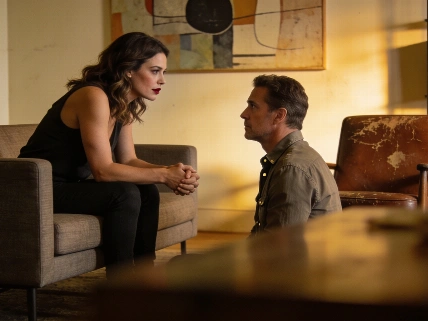
Saying you are there for a struggling friend may sound supportive but often leaves them feeling more isolated. Psychologists warn that vague offers rarely lead to real help and can damage trust during crisis.
When someone you care about is overwhelmed by grief or depression, it feels natural to say, "Let me know if you need anything." But for people in crisis, that phrase can feel like a brush-off. Instead of comfort, it quietly signals: you’re on your own unless you reach out first. Most people won’t.
Psychologist Dr. Marisa G. Franco, who studies friendship and emotional support, says this well-intentioned line rarely helps. People in pain are often weighed down by shame, fear of being a burden, or just exhaustion. The last thing they want is to start another hard conversation or admit they need help. So they stay quiet, and the offer fades away.
In 2026, Marisa G. Franco was named a featured voice on TED’s new podcast Corner Piece, which explores the science of friendship and loneliness.
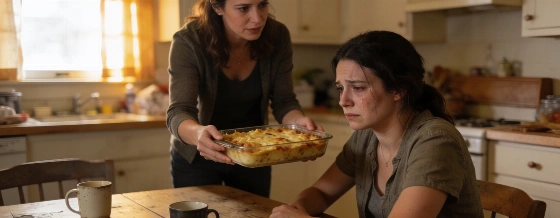
This pattern repeats itself everywhere—when a friend loses a job, a parent, or their sense of direction, the crowd thins out. The people who stick around aren’t the ones who made vague promises. They’re the ones who show up with dinner, offer to watch the kids, or just sit with you in the hard moments. A 2022 Canadian study in OMEGA found that parents grieving a child’s death valued concrete gestures—like running errands or handling chores—far more than open-ended offers.
Why do we fall back on "Let me know if you need anything"? It’s easy, noncommittal, and lets us feel generous without risking awkwardness or rejection. But it puts the burden on the person least able to carry it. Someone in pain is unlikely to text for help with groceries or childcare. They may not even know what they need. The result: both sides feel more distant, and the friendship quietly fades.
A 2026 peer-reviewed article in Death Studies highlights that social responses to grief are shaped by unwritten etiquette, with qualitative interviews revealing that many people default to vague offers because they are unsure of the 'right' way to help. This research underscores the importance of understanding social norms in bereavement support.
Experts suggest being specific instead. Offer to bring dinner, drive them to an appointment, or take their dog for a walk. Even small, practical actions can cut through isolation. This isn’t just more effective—it’s a lifeline. It shows you see their struggle and are willing to step in, not just watch from the sidelines. According to a 2026 BBC report on bereavement cafés, recurring in-person support is now preferred over vague offers, because it provides real, ongoing help for those grieving.
If you want to be a better friend, the lesson is simple. Vague support isn’t support. If you care, act. If you’re not sure what to do, suggest something concrete and let them say yes or no. There’s a world of difference between "Call me if you need anything" and "I’m bringing you dinner at six—okay?" One is present; the other is absent.
After years covering the fallout of emotional neglect and the slow burn of loneliness, I see this pattern everywhere. The gap between intention and action is where friendships die. If you want to matter in someone’s darkest hour, don’t wait for an invitation. Show up, do something real, and let your actions speak. That’s how trust is built—and how it survives the hardest seasons. As reported earlier, even small changes in daily support can shift the course of recovery after loss or crisis.
Concrete support isn’t just a kindness—it’s a clinical necessity. Research in grief and trauma shows that people who get tangible help recover faster and feel less alone. The next time someone you love is hurting, skip the empty promises. Offer your hands, your time, or your presence. That’s what real friendship looks like when it matters.
Friendship is shaped by what we do, not just what we say. In clinical psychology, social support is a key buffer against depression, anxiety, and even physical illness. But not all support is equal. Emotional presence, practical help, and reliability matter far more than generic reassurances. If you want to strengthen your relationships, be specific and follow through. The science is clear: real help heals, while empty gestures widen the distance.