
Body language experts say walking with hands behind the back can signal confidence, introspection, or simply comfort—depending on context and subtle cues others may miss
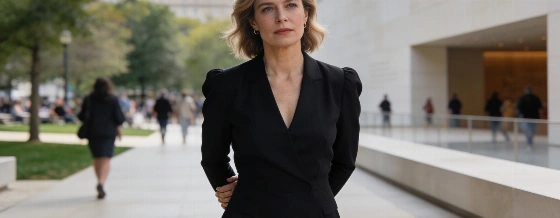
In parks, museums, and schoolyards across America, you’ll spot people strolling with their hands clasped behind their backs. It’s a gesture often linked to teachers, military officers, or older adults, but psychologists say it’s more than a habit. According to Psychologies.com, this posture can reflect three common personality traits—though context always matters.
First, there’s the quiet authority. When leaders or authority figures walk this way, it’s not just about comfort. The open chest and steady gaze project calm control and a sense of occupying space. Research in the Proceedings of the National Academy of Sciences (PNAS) connects such “expansive postures” to perceptions of social dominance and presence. In professional settings, this walk can subtly reinforce status without a word.
But not everyone using this gesture is making a statement. For some, it’s a sign of introspection. Folding the arms behind the back can reduce fidgeting and help focus the mind. Many people report that this posture helps them think more clearly, especially during solitary walks. Psychologies.com also notes that for older adults, it’s often a familiar, comforting way to move—less about power, more about routine and reassurance.
Body language is never a one-size-fits-all code. The same gesture can mean different things depending on the person and situation. Experts recommend looking at the whole picture: Is the walk slow and relaxed, or brisk and tense? Are the shoulders loose or hunched? Is the face open or tight? Even the way the hands are held—gently or with tension—can shift the meaning. The environment matters too: a calm stroll in a park is not the same as pacing during a stressful meeting.
Psychologist Hanan Parvez, founder of PsychMechanics, points out that for some, especially those with back discomfort or age-related changes, walking with hands behind the back is simply the most comfortable option. In these cases, it may reveal nothing about personality at all. On the other hand, tightly clasped or clenched hands can signal emotional restraint or discomfort, not confidence.
Studies in social psychology, including work cited in Oxford Bibliographies, show that “expansive” postures like this one operate on two levels: hierarchy (status, dominance, power) and affiliation (warmth, approachability). Jessica Tracy and Joey Cheng’s research distinguishes between dominance—imposing strength—and prestige—earning respect through skill. Cultural context also shapes interpretation: what’s seen as confident in one setting may seem excessive in another. And if this posture causes ongoing back or shoulder pain, experts advise consulting a medical professional rather than assuming it’s just a personality quirk.
Social cues and body language often overlap with emotional health. For example, as recent research on genuine kindness and stress highlights, subtle behaviors can influence how others perceive us and how we feel about ourselves. The meaning behind a gesture is rarely fixed—it’s shaped by context, intention, and the observer’s own expectations.
According to TopSanté, walking with hands behind the back is an indicator, not a diagnosis. It’s a small piece of a much larger puzzle. The real insight comes from reading the full scene, not just the pose.
Body language research continues to evolve. A 2013 study by Jaehee Park and colleagues found that the impact of expansive postures varies across cultures, with some societies valuing open gestures and others viewing them as inappropriate. In the U.S., nonverbal cues like posture, gait, and facial expression play a significant role in workplace dynamics, leadership perception, and even first impressions. The American Psychological Association notes that while body language can offer clues, it should never be used in isolation to judge character or intent.