
Active Longevity
18 articlesThe reading mix spans data explainers, trend pieces, clinical context and practical answers for people trying to understand next steps. Practical cases can link family roles with long-term patterns, timelines, reviews and safety notes.
Sensitive material is handled with restraint when shame, stigma or danger could be present. Materials explain how the name enters real conversations about care or mental health.
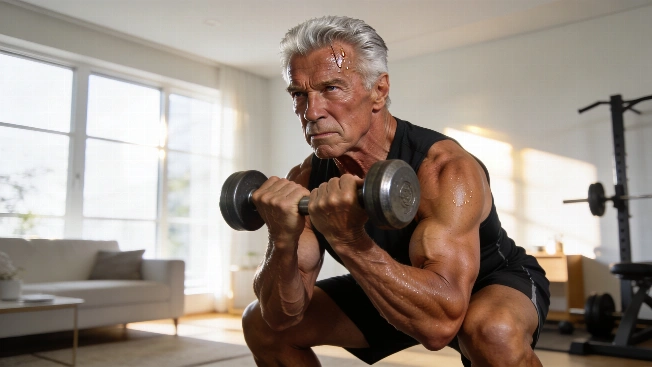
The Dumbbell Mistake That Holds Back Your Strength
Arnold Schwarzenegger’s 35-minute dumbbell workout uncovers hidden muscle imbalances and builds real-world strength using just two weights and a timer.
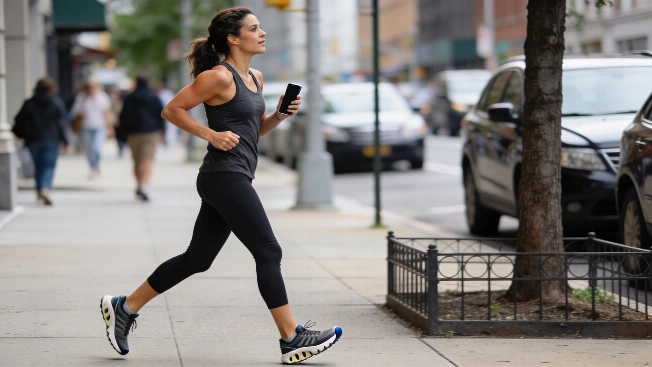
Walking Mistakes That Hurt Your Back and Joints After Age 50
Many adults over 50 turn to walking for better health but common posture errors can sabotage results and trigger pain instead of relief
Running With an Exoskeleton Promises Zero Fatigue but Delivers a New Reality
Wearable tech is changing how Americans approach fitness and injury recovery. From exoskeletons that lighten every step to muscle-zapping suits, the promise is less pain and more gain—but the experience is not what you expect.

Why Mixing Up Your Walking Pace Works Better Than Sticking to One Speed
If your daily walk feels too easy and you’re not seeing results, switching between three walking speeds can kickstart your metabolism and heart rate—no running required.

How Many Steps a Day Actually Protect Your Health—Not 10,000
The 10,000-step rule is everywhere, but new research shows you may need far fewer steps to lower your risk of heart disease and early death. Here’s what science says about the real daily step count that matters
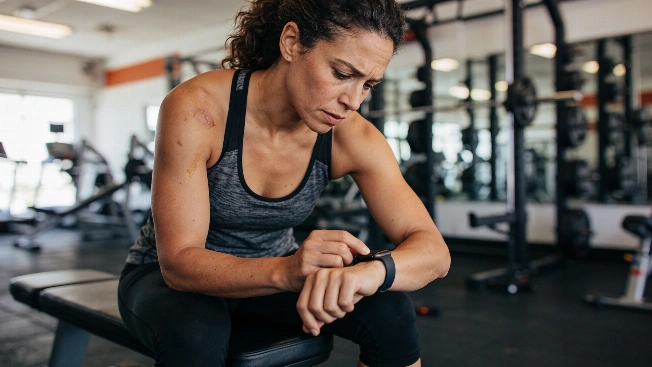
Do You Really Need 10,000 Steps If You Lift Weights 4–6 Times a Week
Many gym-goers feel pressured to hit 10,000 steps daily, even after intense strength training. But new research suggests this target may not be necessary for those already active with regular workouts
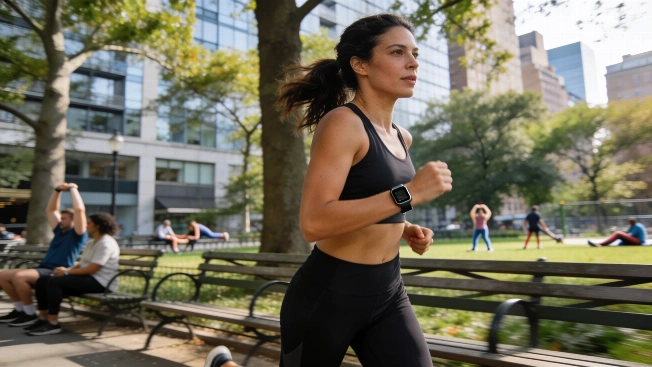
Does Walking Every Day Really Keep You Fit Long-Term
Fitness trackers push the 10,000-step goal, but is daily walking enough for heart health, muscle strength, and longevity, or are key elements missing from this routine
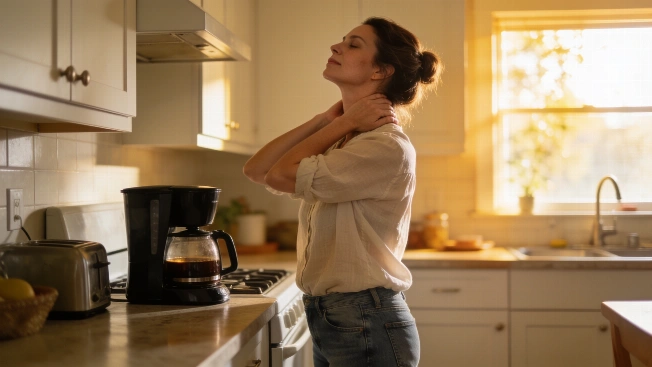
3 Quick Morning Moves to Boost Energy Before Your First Coffee
If you feel stiff or sluggish at breakfast, a three-minute kitchen routine can help wake up your body and mind—no gym clothes or equipment required

Intense Cardio Can Drain Iron and Trigger Hidden Fatigue in Athletes
Heavy endurance training can quietly deplete iron stores, leading to unexplained exhaustion, slow recovery, and stalled progress—especially in women and those with restrictive diets
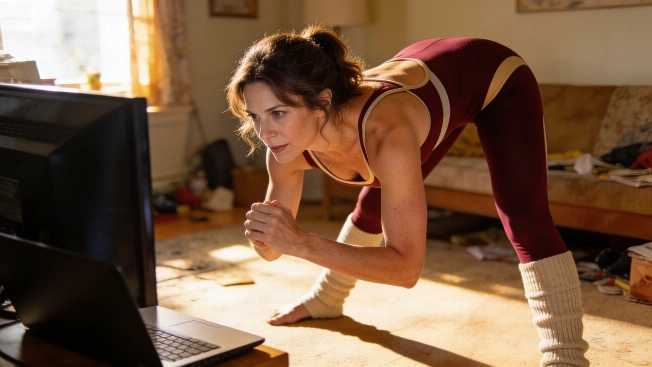
Jane Fonda’s 1980s Home Workouts Are Tougher Than You Think
A fitness journalist put Jane Fonda’s classic home workout routines to the test for two weeks and found the sessions far more demanding—and effective—than their retro reputation suggests
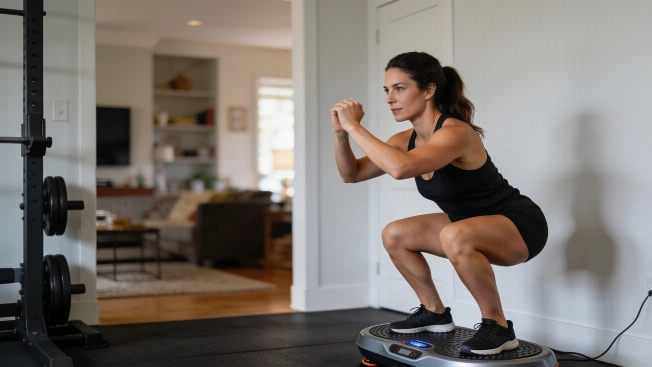
Can Vibration Platforms Really Help You Lose Weight and Build Strength
Vibration platforms are trending on social media, promising quick muscle tone and fat loss with minimal effort. But do these machines actually deliver results, or are the claims just hype
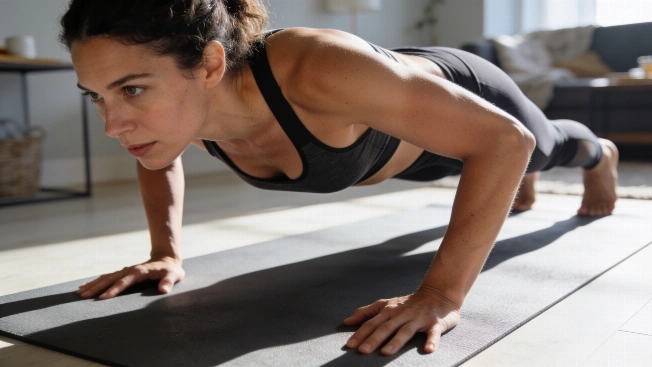
Are You Overworking Your Core Muscles Without Realizing It
Many Americans push their abs, back, and hips daily, but few know how much core training is safe. Experts warn that the right approach can boost stability and posture, while the wrong one risks pain and fatigue
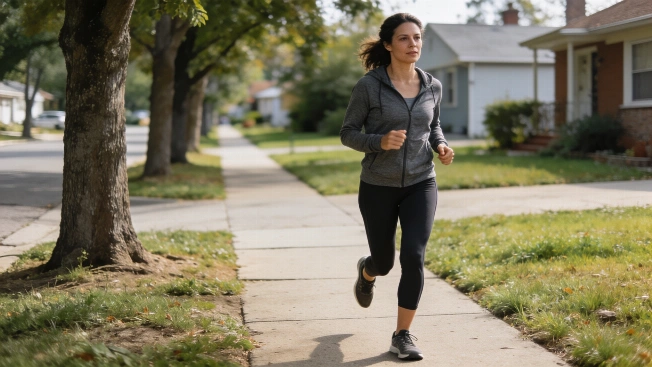
Why 10,000 Steps Failed Me And What Actually Got Me Moving
Stuck at a desk all day, I never hit 10,000 steps. But a 30-minute Japanese walking method changed my activity level and made exercise feel possible again
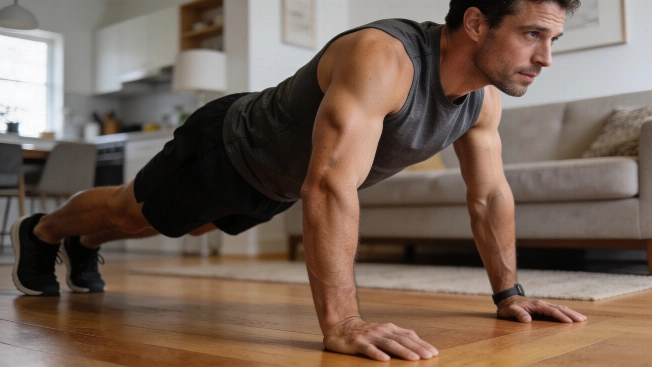
How Many Push-Ups a Day Actually Shape Your Muscles—And What Doesn’t Work
Viral fitness challenges promise fast results, but experts say the real number of daily push-ups for visible muscle definition depends on your body, recovery, and technique—not just repetition counts
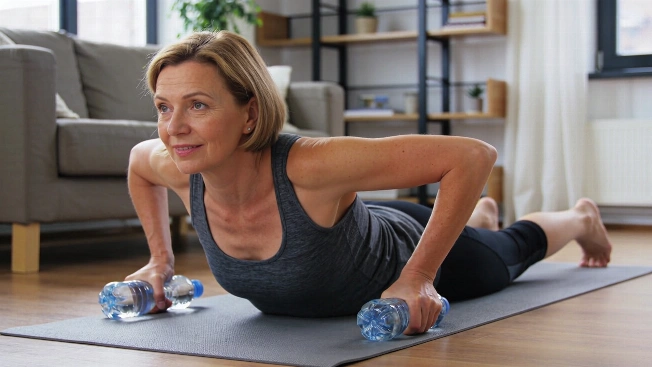
15-Minute Dumbbell Routine Promises Stronger Arms After 50
A 52-year-old physical therapist claims a short, focused dumbbell workout can reshape upper arms at home—no gym required. Her method is drawing attention from women seeking real results without injury or wasted time

How Many Minutes of Walking Actually Protect Your Heart
Doctors now say just 15 minutes of brisk walking a day can lower your risk of heart disease, but the benefits depend on how often and how you move

Building Upper Body Strength May Lower Heart Attack Risk
A major study suggests that strengthening your chest, torso, and back muscles could play a key role in reducing your risk of heart attack and early death from heart disease

Cycling Beats Walking for Energy Efficiency
Switching from walking to cycling can make your daily commute up to four times more energy-efficient, but steep hills and muscle fatigue can change the equation fast