A 52-year-old physical therapist claims a short, focused dumbbell workout can reshape upper arms at home—no gym required. Her method is drawing attention from women seeking real results without injury or wasted time
At 52, Caroline Idiens has spent over two decades coaching women through the realities of aging bodies and shifting muscle tone. Her latest claim is bold: a 15-minute dumbbell routine, done at home, can deliver visible arm strength and definition for women over 50—without the need for a gym or complicated equipment. According to Psytheater.com, Idiens’ approach is gaining traction among women who want results but have little patience for endless reps or injury risk.
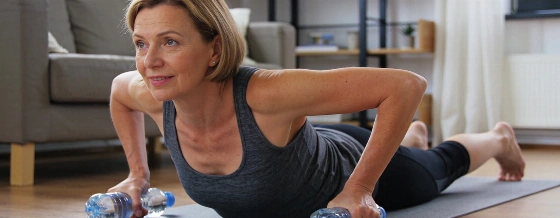
The structure is simple but strict. One pair of dumbbells—she uses 11-pound weights, but stresses that the right load is personal—nine exercises, each performed in sequence, with 30 seconds of rest between moves. The entire circuit is repeated three times. The focus is on slow, controlled movement, not speed or momentum. Idiens’ method targets the shoulders, biceps, triceps, and upper back, aiming to build both strength and a more sculpted look. The routine includes alternating front and lateral raises, Zottman curls, triceps kickbacks, rear flies, and a standing chest press, among others. Each exercise is performed for 8 to 12 reps, depending on the move, and always with attention to form.
What sets this routine apart is its emphasis on injury prevention and functional strength. Idiens warns against common mistakes—arching the lower back, shrugging the shoulders, letting wrists collapse, or swinging the torso to cheat through curls. She recommends a brief warm-up of shoulder and elbow mobility, plus a few unweighted reps to activate the muscles. Throughout, the core stays engaged and the chest open. If the last reps of a set feel impossible to complete with good form, the weight is too heavy; if the set feels too easy, it’s time to increase the load. The goal is to finish each set with one or two reps left in reserve, never pushing to failure or sacrificing technique.
For women over 50, maintaining upper body strength is about more than appearance. Muscle loss accelerates with age, and weaker arms can mean trouble with daily tasks, higher fall risk, and reduced independence. Idiens’ program is designed to be repeated several times a week, with rest days as needed for joint recovery. She encourages listening to the body—if pain or sharp discomfort appears, stop and reassess. The method is not about chasing soreness or exhaustion, but about building sustainable strength that supports real life.
Interest in short, effective routines is rising as more women seek practical ways to stay strong without sacrificing hours to the gym. This trend echoes findings from other fitness research, such as the evidence that upper body strength can play a role in long-term health outcomes. For example, a recent study on upper body strength and heart health highlights the broader benefits of resistance training beyond aesthetics.
According to the Centers for Disease Control and Prevention, adults should aim for at least two days per week of muscle-strengthening activity, targeting all major muscle groups. Yet, less than 25% of women over 50 meet these guidelines. Programs like Idiens’ offer a realistic entry point—short, structured, and focused on safety. The key is consistency and gradual progression, not perfection or intensity. For many, the biggest hurdle is simply starting and sticking with a plan that feels doable and rewarding.
Strength training for women over 50 is not just about fighting gravity or chasing a certain look. It’s a proven way to support bone density, metabolic health, and emotional well-being. Even modest gains in muscle can translate to better balance, fewer injuries, and more confidence in daily life. As more women discover routines tailored to their needs, the conversation is shifting from appearance to ability—and from quick fixes to lasting change.
Resistance training, especially with free weights, has been shown in multiple peer-reviewed studies to slow age-related muscle loss, improve insulin sensitivity, and reduce the risk of osteoporosis. The American College of Sports Medicine recommends starting with lighter weights and focusing on proper form, gradually increasing resistance as strength improves. For those new to strength training, consulting a physical therapist or certified trainer can help ensure safe technique and personalized progression.