
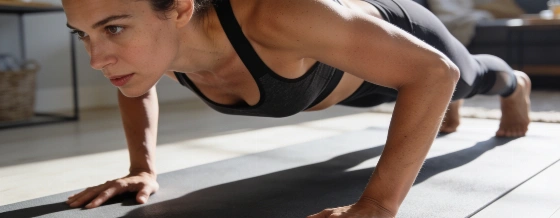
Many Americans push their abs, back, and hips daily, but few know how much core training is safe. Experts warn that the right approach can boost stability and posture, while the wrong one risks pain and fatigue
Most fitness advice warns against working the same muscle group every day. But there’s one exception: your core. The muscles that wrap your midsection—abs, lower back, hips, and pelvis—are built for daily use. They stabilize your spine, support your posture, and power nearly every movement, from standing up to carrying groceries. According to Harvard Health Publishing, a strong core is the foundation for balance, injury prevention, and even basic mobility as you age.
But daily core work doesn’t mean endless crunches or marathon plank sessions. Overdoing it can backfire. Intense ab workouts that leave your muscles burning actually require 24 to 48 hours of recovery, just like any other muscle group. The key is moderation: short, focused routines that activate the core without pushing it to exhaustion. As Allo Docteurs notes, “No, you shouldn’t do abs every day”—at least not at high intensity.
So what does safe, effective daily core training look like? Experts recommend 10 to 30 minutes of moderate activity, stopping before you feel deep fatigue or pain. If your lower back arches, your hips start to strain, or your abs burn, that’s your cue to stop. For most people, three to four intense core sessions per week is plenty. On other days, a few minutes of gentle activation—like a forearm plank or slow mountain climbers—can help maintain strength without risking overuse.
It’s not just about exercise, either. Everyday movements matter. Walking with your abs gently engaged, lifting bags with a straight spine, or even vacuuming with good posture all reinforce your core. As Stephanie Mansour, a Chicago-based fitness coach, points out, a strong core makes daily life more stable and less prone to injury. These muscles are always working in the background, so small, consistent efforts add up.
Research backs this up. A 2022 review in Harvard Health Publishing found that regular, moderate core training improves balance, reduces back pain, and supports healthy aging. Meanwhile, the physical therapy site PerformanceAthletique suggests that two to five core sessions per week are enough for most adults to see progress. The rest of the time, think “micro-doses”—brief, low-intensity movements that keep your core awake but not worn out.
For those who want to maximize the benefits, it’s smart to alternate between heavier core days and lighter “maintenance” days. Save the tough workouts for when you’re rested, and use the other days for gentle activation. If you notice persistent pain, especially in your lower back, or if soreness lingers for more than a day, it’s time to scale back and consult a physical therapist or physician.
Building core strength isn’t just about looking fit. It’s about function—being able to get up from a chair, walk with confidence, and avoid injury. As recent research on upper body strength and heart health shows, maintaining muscle in your torso can have far-reaching effects on your overall well-being.
Core training is one of the most accessible forms of exercise. You don’t need equipment or a gym membership. A simple daily routine—plank, slow mountain climbers, mindful posture—can be done at home in minutes. The challenge is knowing when to push and when to rest. Listen to your body, keep sessions short, and focus on quality over quantity. If you’re unsure, a certified trainer or physical therapist can help tailor a plan to your needs.
Core stability is a major focus in physical therapy and sports medicine. The core includes not just the visible abs, but also deep muscles like the transverse abdominis and multifidus, which play a crucial role in spinal support. Weakness or imbalance in these muscles is linked to chronic back pain and poor movement patterns. Many rehabilitation programs now prioritize core activation as a first step in recovery from injury, and ongoing research continues to explore how core strength influences everything from athletic performance to fall prevention in older adults.