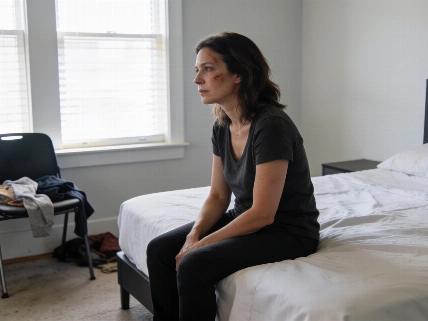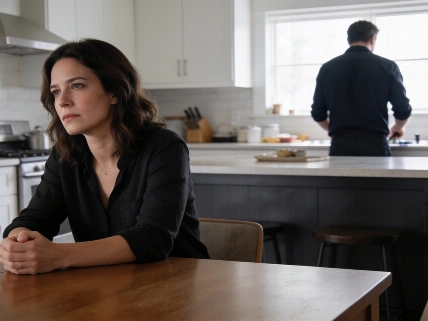

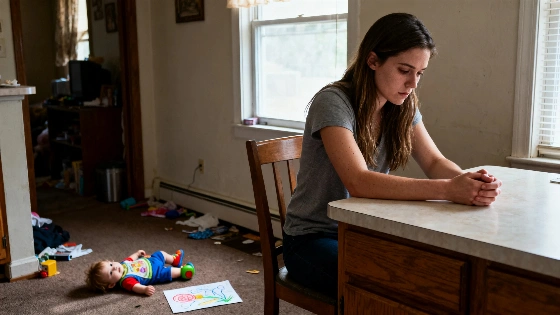
She hoped her partner would step up after she got pregnant, but instead he quit his job, started drinking, and left her raising their son alone
Moving to a new city with a close friend can feel like a fresh start. For Melissa, it was supposed to be just that—until a man entered the picture. He dated her friend first, but soon Melissa and he became involved. The fallout was ugly. Her friend was devastated, even reaching out to Melissa’s mother in desperation. Most people around Melissa warned her: he was lazy, unmotivated, and lacked ambition. Still, she stayed. Two years later, he proposed, and she said yes.
Pregnancy changed everything. Melissa kept hoping he’d grow up, find steady work, and become a real partner. Instead, things unraveled. He quit his job, started drinking, and came home late. The stress mounted. Eventually, Melissa packed his things and told him to leave. She called him out for being a freeloader and made it clear she wouldn’t live like this anymore.
Now, Melissa is raising their son on her own. Her ex sees the child and offers some help, but the relationship is over. She’s torn—unsure if she should try again for her son’s sake, or if loneliness is clouding her judgment. Guilt lingers, too. She can’t shake the feeling that she betrayed her friend, and that pain hasn’t faded with time.
According to Psytheater.com, it’s common to look back on past choices with regret, especially when those choices hurt someone close. The guilt Melissa feels is less about her ex and more about the friend she hurt. No decision now can erase that wound. Instead, the work is in facing the guilt, not letting it dictate her future relationships.
Melissa’s uncertainty is familiar to anyone who’s left a difficult relationship. After a breakup, loneliness can feel sharper than the problems that led to separation. Sometimes, it’s not the person you miss, but the routines, the sense of partnership, or even the relief of not having to do everything alone. Watching her ex interact with their son brings up mixed feelings—gratitude for his involvement, but also confusion about what, if anything, remains between them as adults.
Sorting out these emotions takes time. It helps to separate what’s about co-parenting from what’s about romantic connection. Melissa values his help with their child, but that doesn’t mean she wants him back as a partner. The real question is whether there’s enough trust and respect left to rebuild something new—or if the healthiest path is to keep moving forward separately.
For those struggling with a partner who withdraws or avoids responsibility, the emotional toll can be immense. Patterns of emotional shutdown, avoidance, or passive resistance are common in relationships where one partner feels overwhelmed or unable to cope. For a deeper look at how emotional withdrawal shapes relationships and what it means for long-term connection, see this analysis of living with a partner who shuts down emotionally.
Guilt, regret, and loneliness are powerful forces. But they don’t have to dictate your next move. The process of sorting through what you want, what you need, and what you can realistically expect from a partner is rarely simple. It’s okay to take time, to ask hard questions, and to let yourself grieve both the relationship and the friendship that was lost.
When a relationship ends because of emotional neglect, substance use, or chronic avoidance, it’s not just the loss of a partner—it’s the loss of a hoped-for future. Therapy can help untangle these feelings, offering space to process guilt, rebuild self-trust, and clarify what healthy partnership looks like moving forward. For parents, co-parenting counseling can also help set boundaries and expectations, making it easier to focus on the child’s needs while healing old wounds.