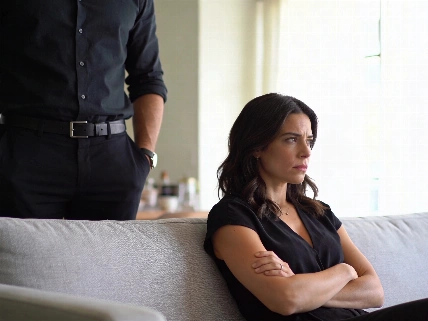


He’s kind, reliable, and shares your interests—but every attempt at a real conversation hits a wall. What’s behind emotional shutdown in men and can it change
For a year and a half, Emily and her partner have shared a home, a love of hiking, and a knack for late-night debates about politics and movies. But when it comes to talking about feelings, the future, or anything that edges into vulnerability, he goes silent. No matter how gently she tries to open up, he withdraws—sometimes physically leaving the room, sometimes just shutting down. The pattern is so consistent that Emily now wonders if she’s asking for something he simply can’t give.
According to Psytheater.com, this kind of emotional withdrawal isn’t rare, especially among adults who grew up in homes marked by chaos, neglect, or emotional volatility. For some, childhood meant learning that showing feelings was dangerous—inviting ridicule, anger, or worse. Over time, the safest move became building a wall: don’t talk, don’t reveal, don’t risk. As adults, these defenses can look like calm, even-tempered reliability on the surface, but underneath, there’s a hard line that no one is allowed to cross.
For partners on the outside of that wall, the experience is often lonely and confusing. You might see someone who’s generous, funny, and supportive in daily life, but who refuses to discuss the relationship itself, avoids conflict resolution, and never shares what’s really going on inside. Attempts to connect can trigger more withdrawal, not less. The more you push, the more he retreats. Over time, resentment builds, arguments flare, and the sense of intimacy erodes.
It’s tempting to believe that with enough patience or the right words, you can coax someone out of their shell. But emotional openness isn’t something you can force. If your partner doesn’t want to talk, no amount of pleading or strategizing will change that. In fact, trying to play therapist to your partner can backfire, deepening the divide and leaving you both frustrated. Professional therapists are trained to navigate these defenses, but even they don’t work with their own loved ones for good reason: the emotional stakes are too high, and objectivity is impossible.
Instead, experts suggest shifting the focus back to yourself. Ask why your partner’s silence hurts so much. Is it about needing reassurance, craving connection, or fearing abandonment? Naming your own feelings—out loud, in “I” statements—can help clarify what you need, even if your partner can’t meet you there. For example: “I feel sad when we can’t talk about what matters to me.” This doesn’t guarantee change, but it does honor your own experience and may reduce the pressure on both sides.
Ultimately, the hardest question is whether you can accept a relationship where emotional intimacy is limited. Some people can, finding fulfillment in shared activities or practical partnership. For others, the absence of deep conversation is a dealbreaker. There’s no universal answer, but clarity comes from honest self-reflection, not from trying to fix someone else. If you find yourself exhausted by the cycle of hope and disappointment, it may be time to consider what you truly want from a partner—and whether this relationship can provide it.
Emotional withdrawal is not the same as introversion or a simple dislike of “heavy” conversations. It’s often rooted in early experiences of pain or betrayal, and it can be deeply resistant to change. Therapy—individual or couples—can help, but only if both partners are willing. For those living with a partner who shuts down, the path forward is rarely easy, but it starts with recognizing what’s yours to change and what isn’t.
Emotional availability is a key concept in relationship psychology. It refers to the ability to recognize, express, and respond to emotions—both your own and your partner’s. When one partner is emotionally unavailable, it can create a persistent sense of distance and insecurity. While some people can learn to become more open through therapy and self-work, others may remain closed off, especially if their defenses are longstanding. Understanding the difference between emotional style and emotional injury is crucial for anyone navigating these dynamics.
- Emotions in Life
- Emotional Dependency
- Psychological Defense Mechanisms and How They Shape Behavior
- Love Marriage Loneliness and Relationship Psychology for Adults
- Family Relationship Psychology for Couples Parents and Children
- Emotional States
- Relationship Concepts
- Defense Mechanisms
- Attachment Styles
- Emotional Availability
- Emotional Withdrawal