

Many siblings who were once inseparable now barely speak. Psychologists point to a subtle but powerful force that quietly erodes adult sibling bonds, even when childhood ties were strong
In the U.S., nearly nine out of ten adults have at least one sibling, according to Census Bureau data. For many, those relationships shaped their earliest sense of self—sometimes as confidants, sometimes as rivals, rarely as bystanders. Yet by midlife, even siblings who once shared everything can find themselves living as near-strangers. What causes this slow unraveling?
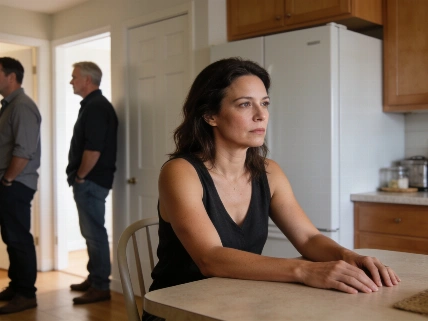
According to Parade, four clinical psychologists specializing in family dynamics agree: the main culprit is what they call "passive drift." This isn’t about a dramatic falling out or a single argument. Instead, it’s the gradual erosion of connection as adult life piles on obligations—work, parenting, moves, health issues, and diverging routines. The shared daily context that once made sibling closeness effortless disappears, replaced by distance that feels natural but is rarely intentional.
Dr. Peter Vernig describes passive drift as a separation that happens almost invisibly. Even when siblings have deep shared memories and similar personalities, the time they spend together shrinks. The reasons are rarely personal. Instead, they’re logistical: different cities, demanding jobs, new families, and the sheer fatigue of adult life. Dr. Amanda Sellers notes that as responsibilities multiply, most adults simply don’t have the energy to maintain the same level of contact they once did. The result is a slow, mutual withdrawal that can go unnoticed for years.
Effort and Distance
When siblings live together or see each other daily, connection is automatic. But once geography and schedules intervene, maintaining a strong bond requires deliberate effort. Dr. Maggie Hogan points out that adult sibling relationships demand "active effort"—calls, texts, visits, and shared rituals. Without these, even the closest childhood bonds can fade. The challenge is that few adults are taught to prioritize sibling relationships the way they might a marriage or parent-child tie. The default is neglect, not conflict.
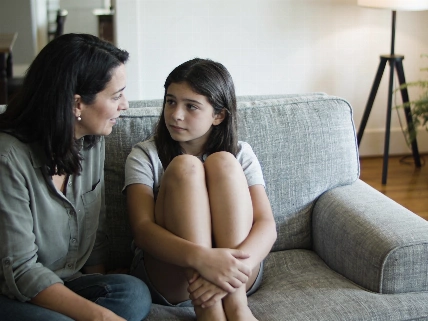
Restoring a lost connection isn’t about grand gestures. Dr. Kim Chronister recommends small, consistent actions: a quick message, a birthday card, a spontaneous coffee. Most important is honest conversation about the desire to reconnect. Naming the distance and expressing a wish to rebuild the relationship can break the inertia of passive drift. The process is rarely symmetrical—one sibling may need to take the lead—but psychologists agree that even modest outreach can restart a stalled bond.
Patterns and Realities
Research on adult siblings is limited compared to studies of parent-child or romantic relationships, but available data suggest the trend is widespread. A 2022 Pew Research Center survey found that only 46% of American adults report feeling "very close" to their siblings, and the percentage drops with age. The decline is not usually linked to conflict but to the slow accumulation of distance and distraction. Family therapists note that siblings who do maintain strong ties in adulthood often credit intentional habits—regular check-ins, shared vacations, or family group chats—as the glue that keeps them together.
As Parade reports, the drift between adult siblings is rarely about a lack of love or unresolved childhood issues. More often, it’s the result of inertia and the competing demands of modern life. Recognizing passive drift as a normal but reversible process can help families take practical steps to reconnect before the gap becomes permanent.
Family therapy offers a structured way to address sibling estrangement, but most experts recommend starting with low-pressure, direct communication. Even a brief message can signal openness to renewed contact. For those struggling with guilt or regret over lost sibling ties, it’s important to remember that relationships can be rebuilt at any stage, though the process may require patience and vulnerability. Sibling bonds, while often overlooked in adulthood, remain a unique source of support and identity throughout life.