A woman faces years of betrayal and escalating conflict after discovering her husband’s long-term affairs. Experts weigh in on the cycle of blame, emotional abuse, and the risks of staying
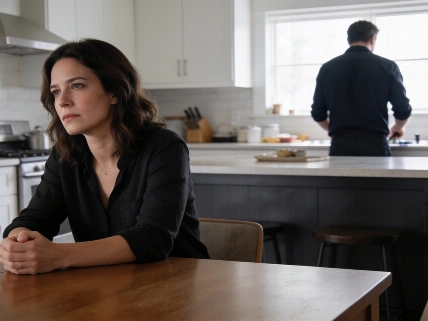
For two decades, Lisa believed her marriage could survive anything. But when she uncovered her husband’s pattern of infidelity—both a three-year affair and countless one-night stands—her world shifted. The revelation didn’t just spark arguments. It triggered a cycle of blame, emotional attacks, and physical altercations that left both partners wounded, sometimes literally.
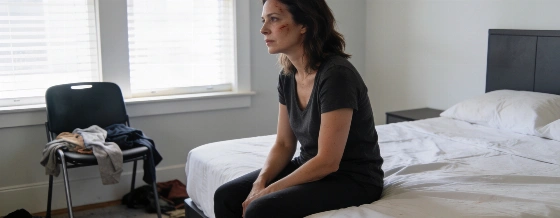
Her husband insisted she was to blame for his cheating, pointing to a confession she made early in their relationship: that he wasn’t her first partner. He claimed this knowledge justified his betrayals. When Lisa confronted him, reading his messages without permission, he accused her of invading his privacy and provoking violence. The result: bruises, torn clothes, and a marriage teetering on the edge.
According to Psytheater.com, this kind of mutual aggression—where both partners escalate from emotional to physical harm—rarely leads to resolution. Instead, it deepens mistrust and resentment. Lisa’s story is not unique. Many couples find themselves locked in a pattern where every attempt to uncover the truth or set boundaries leads to more conflict, not less.
Staying in a relationship marked by repeated betrayal and violence forces hard questions. Is it possible to rebuild trust when both partners feel wronged? Can a marriage survive when apologies are replaced by accusations and every argument risks turning physical? Experts stress that violence, whether emotional or physical, is never justified. Even actions like checking a partner’s phone without consent can be seen as a violation, but retaliation with force crosses a line that should not be ignored.
For those determined to try, therapists recommend a radical shift: stop fighting to win. Instead, write down what an acceptable, if imperfect, relationship would look like. Apologize for your own missteps—such as invading privacy—and ask your partner to do the same. Set clear boundaries about what is and isn’t tolerable, and agree on consequences if those lines are crossed. Decide together how long you’re willing to keep trying before making a final decision.
But for many, the reality is starker. If violence continues, the safest option may be to leave. No one should have to endure physical harm in the name of saving a marriage. Safety must come first, even if that means ending the relationship.
These issues echo broader patterns seen in long-term relationships. In some cases, emotional distance and unmet needs can drive partners apart, as explored in this analysis of lost intimacy and emotional disconnect. The common thread: when communication breaks down and trust erodes, the risk of escalation grows.
Recent data from the National Coalition Against Domestic Violence shows that nearly 1 in 4 women and 1 in 9 men in the U.S. experience severe intimate partner physical violence in their lifetimes. Emotional abuse is even more widespread, often going unreported. These numbers highlight the urgent need for early intervention, clear boundaries, and professional support when relationships turn toxic.
Couples therapy can help some partners break destructive cycles, but only if both are willing to take responsibility and commit to change. When violence is present, individual safety and well-being must always take priority over preserving the relationship at any cost.