
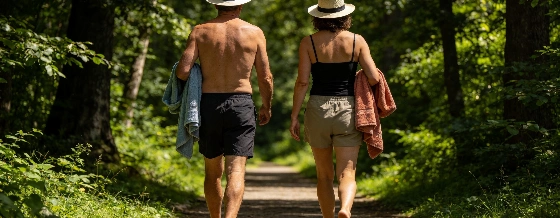
Naturism is gaining ground in the U.S., but most people still misunderstand its impact. Here’s how this lifestyle shift can affect body image, stress, and your relationship with nature—plus what to know before trying it
In the U.S., naturism is often dismissed as a fringe trend or confused with nudism, but the reality is more nuanced. Naturism is a lifestyle built around communal nudity, respect for self and others, and a conscious connection to the environment. While the practice still faces stigma and misunderstanding, especially around sexuality, it’s quietly attracting new followers who are looking for a different kind of freedom—one that’s as much about mental health as it is about physical comfort.
One of the most immediate effects reported by naturists is a shift in body image. Shedding clothes in a nonjudgmental setting can disrupt years of internalized shame or perfectionism. Many describe a process of learning to accept their bodies as they are, outside the relentless standards of thinness and beauty that dominate American culture. For some, this acceptance is transformative, leading to a more compassionate relationship with themselves and a reduction in self-criticism. According to Psytheater.com, this kind of body neutrality is linked to lower rates of disordered eating and improved self-esteem.
But naturism isn’t just about how you see yourself. The act of being nude in nature—whether at a beach, a forested retreat, or a dedicated resort—can trigger a powerful sense of release. Without the daily armor of clothing, many people report feeling less burdened by social expectations and more able to let go of stress. This is especially true in environments designed for relaxation, where the focus is on comfort, not appearance. Some U.S. resorts now offer wellness programs that combine naturism with mindfulness, yoga, and outdoor activities, aiming to help guests disconnect from digital overload and reconnect with their senses.
Stress reduction is a recurring theme among naturists. The combination of natural settings, communal acceptance, and the absence of clothing-related anxiety can lower physiological stress markers. People often describe feeling more at ease, less defensive, and more open to social connection. This isn’t just anecdotal: research shows that time spent in nature, especially when combined with practices that reduce self-consciousness, can decrease cortisol levels and improve mood. For those who struggle with chronic stress or burnout, naturism offers a structured way to reset.
Another benefit is the deepened connection to the environment. Naturist spaces in the U.S.—from the Pacific Northwest to Florida—are typically located in areas of natural beauty. The absence of clothing can heighten sensory awareness, making people more attuned to temperature, wind, and the textures of the world around them. This can foster a sense of stewardship and respect for the land, as well as a more mindful approach to daily life. Some communities emphasize eco-friendly practices, reinforcing the link between personal well-being and environmental responsibility.
Sun exposure is a double-edged sword in naturism. On one hand, responsible time in the sun can boost vitamin D levels, which is essential for bone health and immune function. On the other, overexposure increases the risk of skin cancer. Naturist organizations in the U.S. stress the importance of sunscreen, shade, and gradual acclimatization. A 2023 study published in the Journal of the American Academy of Dermatology found that moderate, protected sun exposure is the safest way to maintain healthy vitamin D without increasing melanoma risk.
For those curious about trying naturism, the first step is choosing a setting that feels safe and welcoming. Many American naturist resorts and clubs have clear codes of conduct, emphasizing respect, consent, and privacy. Beginners are encouraged to start with short visits, perhaps during special events or open days, to get a sense of the community. Activities often include swimming, hiking, and group meals—always with an emphasis on comfort and inclusion. For more on how private habits shape public confidence, see this analysis of what makes certain people magnetic in social settings.
At its core, naturism is about stripping away more than just clothing. It’s a deliberate rejection of the pressures and anxieties that come with modern life, offering a path to greater self-acceptance, reduced stress, and a renewed sense of connection—to both self and environment. While it’s not for everyone, the growing interest in naturism reflects a broader search for authenticity and relief from the relentless demands of American culture.
Recent data from the American Association for Nude Recreation shows a steady rise in naturist participation, with membership increasing by 12% between 2022 and 2025. The majority of new members cite stress relief, body acceptance, and a desire for community as their primary motivations. As more research emerges on the psychological and physical effects of naturism, mental health professionals are beginning to recognize its potential as a tool for well-being, especially for those seeking alternatives to conventional self-care routines.