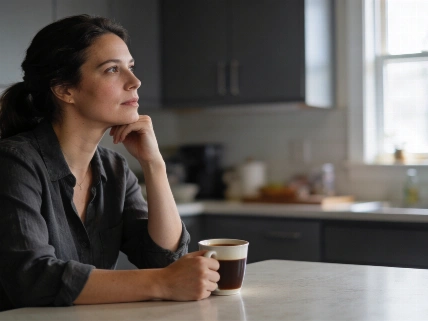

A wave of divorces among parents’ friends can shake your sense of family security and trigger fears about your own home life. Here’s how to handle the anxiety and what it really means
For most of my life, my parents’ circle of friends felt like an extension of our family. Holidays, backyard cookouts, museum trips—these gatherings were the backdrop of my childhood. But over the past year, that familiar group has fractured. Couples who once seemed inseparable are now splitting up, and the fallout is everywhere: awkward silences, canceled plans, and whispered debates about whether meeting a friend’s new partner is a betrayal.
It’s hard not to wonder if my own parents’ marriage is at risk. If so many couples in their orbit are calling it quits, what’s to stop my family from unraveling too? The fear isn’t just about them—it’s about losing the foundation I’ve always counted on. According to Psytheater.com, this kind of anxiety is common when the stability of your home life feels threatened by changes in your social environment.
When divorce becomes a trend among people close to you, it can trigger a crisis of confidence in what you thought was solid. You start to question whether you ever really understood your parents’ relationship, or if you missed warning signs. Sometimes, the fear is less about actual problems at home and more about the shock of seeing what you thought was permanent suddenly fall apart around you. If you’re an only child, the sense of isolation can be even sharper—there’s no sibling to share the worry or reality-check your perspective.
But the truth is, marriages don’t end just because friends are splitting up. The reasons for divorce are usually deeper: unresolved conflict, emotional distance, infidelity, or simply growing apart. While it’s true that many couples face a midlife crisis between ages 45 and 55, not every marriage in that age group is doomed. Some families weather the storm, others don’t. The fact that several divorces happened in quick succession may be coincidence, or it may reflect a common life stage, but it’s not a contagion.
Still, the anxiety is real. If you’re worried, the best move is to talk openly with your parents. Choose a calm moment and say what’s on your mind: that you’ve noticed the divorces among their friends, that it scares you, and that you care about their relationship. Most likely, they’ll reassure you—or even share their own concerns about their friends. Either way, you’ll break the cycle of silent worry and get a clearer sense of what’s actually happening at home.
It’s also worth remembering that, as an adult, your life is no longer defined by your parents’ marriage. You can build your own traditions, friendships, and support systems. Even if your parents’ relationship changes, you have the tools to adapt and thrive. If the anxiety becomes overwhelming, consider reaching out to a mental health professional for support.
Even couples who seem happiest aren’t immune to conflict. As explored in this analysis of why even strong marriages face challenges, arguments and rough patches are part of real intimacy—not necessarily signs of impending divorce. What matters is how couples handle those moments and whether they can rebuild trust afterward.
According to the U.S. Census Bureau, the divorce rate for adults ages 45 to 54 has remained relatively stable over the past decade, hovering around 16 divorces per 1,000 married women in that age group. While divorce is common, most marriages do not end in any given year, and the majority of adults who divorce eventually report improved well-being after a period of adjustment. These figures suggest that while divorce is disruptive, it is not inevitable, and many families adapt over time.
Family therapy can be a valuable resource for those navigating the ripple effects of divorce or marital strain. Unlike individual counseling, family therapy addresses the dynamics between parents and children, helping everyone process changes and communicate more effectively. It can also provide a neutral space to discuss fears, expectations, and hopes for the future, making it easier to move forward—together or apart.