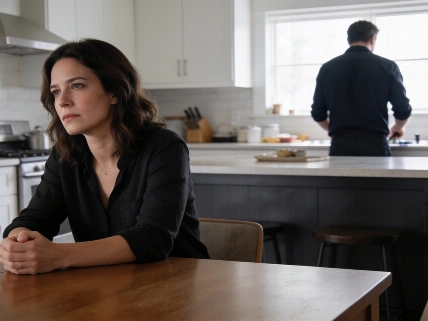
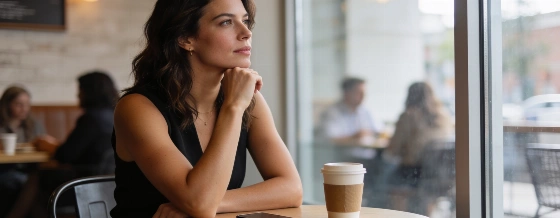
Many women face a disconnect between wanting a stable relationship and actually meeting someone compatible. Social pressure, past disappointments, and narrow routines often play a bigger role than most realize
For many women, the search for a committed relationship can feel like running in place. You meet people, you talk, you try to stay open, but the right connection never quite materializes. The frustration is real—and it’s not just about luck or timing. According to Psytheater.com, the reasons often run deeper than most dating advice suggests.
One of the most common patterns: wanting a relationship without a clear sense of what that means for you personally. Sometimes, the urge to find a partner is driven by fear of being alone, family expectations, or the sense that you’re “supposed” to have settled down by now. But if you haven’t taken time to clarify your own values, needs, and boundaries, it’s easy to end up in mismatched or unsatisfying situations.
It’s worth asking yourself: What does a healthy relationship look like for me? Which qualities in a partner matter most? What kind of person do I actually want beside me in five or ten years? These aren’t just abstract questions—they shape who you notice, how you interact, and what you tolerate. Unresolved pain from past relationships, lingering resentment, or fear of repeating old mistakes can quietly sabotage new connections, even if you think you’ve moved on.
Another overlooked factor is the size and diversity of your social world. Many women limit their opportunities for new connections by sticking to the same routines: home, work, the same circle of friends. In that pattern, the odds of meeting someone new drop sharply. Expanding your social life—whether through classes, volunteering, travel, or online communities—doesn’t guarantee instant chemistry, but it does increase the chances of organic, low-pressure encounters. The key is to approach new people as people, not as auditions for “the one.”
Early in any relationship, it’s tempting to rush to judgment. Is this person right for me? Are we compatible? But real compatibility takes time to reveal itself. Shared experiences, honest conversations, and simply observing how someone acts in different situations matter more than first impressions. At the same time, don’t ignore your own discomfort. If you consistently feel anxious, tense, or undervalued around someone, that’s information worth trusting.
Boundaries are another sticking point. The desire for a relationship can sometimes lead people to accept behavior that doesn’t sit right—disrespect, emotional distance, or being sidelined. Healthy relationships require mutual respect and the ability to communicate needs without fear of losing the other person. If you find yourself repeatedly sacrificing your own comfort or values to keep someone interested, it’s time to reassess what you’re actually getting from the connection.
It’s also important to remember that building a strong relationship is a process, not a single event. Trust, intimacy, and shared meaning develop over time, not overnight. Staying open to new experiences, while holding onto your own standards, makes it more likely you’ll recognize a good match when it appears. Sometimes, working with a therapist can help you spot patterns you can’t see on your own and build confidence in your choices.
Relationship struggles don’t exist in a vacuum. Patterns of emotional availability, communication, and self-worth often echo across different areas of life. For example, as explored in this analysis of hidden patterns that undermine couples, unexamined habits and unspoken needs can quietly erode even the strongest bonds. The same is true when searching for a partner: what you bring to the table shapes what you find.
Recent research from the Pew Research Center found that 47% of single women in the U.S. say it’s hard to find someone who meets their expectations for a long-term relationship. The most common barriers cited include lack of compatible values, emotional unavailability, and limited opportunities to meet new people. These findings highlight the importance of self-awareness and intentionality in the search for a meaningful connection.
Attachment theory has become a central concept in understanding relationship dynamics. It describes how early experiences with caregivers shape our expectations and behaviors in adult relationships. People with secure attachment styles tend to form healthier, more stable bonds, while those with anxious or avoidant patterns may struggle with trust, intimacy, or boundaries. Recognizing your own attachment style can be a powerful step toward building the kind of relationship you want.