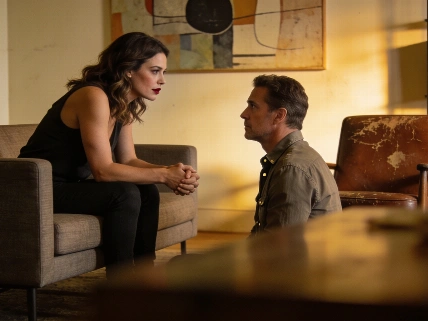


Many couples believe love is enough, but old family patterns, unspoken needs, and emotional habits often undermine even the strongest bonds
“I thought things would get better after the wedding.” “We used to be so close, but now we can barely talk without fighting.” “I’m doing everything I can to save this, but it just keeps getting worse.” These are the kinds of stories therapists hear every week. The trouble isn’t always a lack of love. More often, it’s the invisible baggage each person brings into the relationship—expectations, fears, beliefs, and emotional habits that quietly shape daily life together.
Our earliest ideas about love and family don’t start with our first romance. They’re built in childhood, watching how our parents handle conflict, affection, and stress. If you grew up in a home where criticism, silence, or emotional distance were the norm, those patterns can feel oddly familiar—even if you swore you’d never repeat them. Many adults find themselves in relationships that echo the very dynamics they hoped to avoid. It’s not about wanting pain; it’s about the brain’s pull toward what feels predictable, even when it hurts.
Intense feelings at the start of a relationship can be misleading. The rush of new love is often mistaken for deep connection, but real intimacy is quieter and harder won. It’s about being able to talk honestly about what hurts, to stay present during hard times, and to feel safe enough to be yourself—flaws and all. When the initial high fades, couples are left with the real work: building trust, handling disappointment, and learning to stay connected even when things get messy. That’s when many discover there’s less true closeness than they thought.
Communication breakdown is a classic trap. Most couples don’t fight about the surface issue—they fight about how they fight. Resentments build up when needs go unspoken. One partner waits for the other to notice their pain; the other is left guessing. Eventually, frustration boils over. Underneath the angry words are softer truths: “I feel alone.” “I need your support.” But saying those things out loud takes courage and trust. Without that, emotional distance grows.
Some people hope a relationship will fix what’s broken inside. They want a partner to erase loneliness, anxiety, or self-doubt. But close relationships rarely heal old wounds on their own. In fact, they often make those wounds more visible. If you fear rejection, that fear will show up in your marriage. If you struggle with self-worth, it’s hard to believe your partner’s love is real. Family life has a way of surfacing the issues we haven’t faced yet.
It’s easy to lose yourself in a relationship, especially if you start living for your partner’s moods and needs. Your own interests fade. You stop asking what you want. Over time, this self-erasure leads to emptiness and fatigue. Healthy couples are made of two whole people, each with their own boundaries, values, and passions. When one person disappears into the other, the relationship becomes fragile.
If any of this sounds familiar, it’s worth asking yourself: What did I learn about love growing up? How do I handle conflict and distance? Can I talk about my feelings and needs? What do I expect from my partner? What helps me feel like myself, no matter what’s happening in my marriage? Honest answers to these questions can spark real change. As Psytheater.com reports, building a strong relationship is not about passing some test with a perfect score. It’s a process—one that often means learning new skills as an adult. Love matters, but it’s not enough. You need self-awareness, the ability to handle closeness, the courage to talk about hard things, respect for each other’s boundaries, and the willingness to stay connected even when things get tough. These small, daily choices are what make a marriage work.
Many people who struggle with chronic loneliness or emotional numbness in relationships are actually wrestling with old patterns that began in childhood. For some, the sense of being invisible or misunderstood is less about the current partner and more about how they learned to relate to others early on. Exploring these patterns in therapy can help break the cycle and open the door to more authentic connection. Couples therapy, individual counseling, and psychoeducation about attachment styles are all tools that can help people build healthier, more resilient relationships—ones where both partners can truly be themselves.
- Relationships with Others
- Emotions in Life
- Emotional Dependency
- Recurring Family Patterns and Generational Scripts
- Love Marriage Loneliness and Relationship Psychology for Adults
- Relationship Concepts
- Self-Concept
- Attachment
- Vulnerability
- Attachment Styles
- Emotional Availability
- Healthy Relationships
- Family Scripts