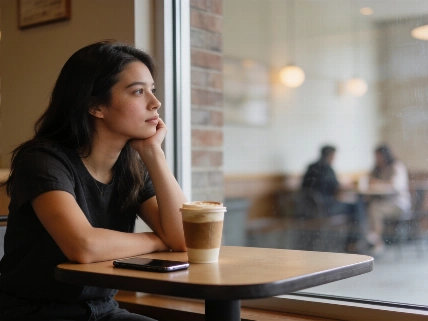


When one partner craves shared evenings and daily closeness but the other resists moving in, the emotional gap can grow. Addressing this difference is crucial for relationship health
Some relationships reach a point where living apart no longer feels sustainable for one partner. Often, it’s the woman who realizes she wants more than just dates and weekends—she wants a shared home, daily routines, and the comfort of knowing her life is truly intertwined with someone else’s. But what if her partner is used to solitude and resists changing his lifestyle?
It’s a common tension: one person values independence and space, while the other feels isolated, longing for warmth and togetherness. According to Psytheater.com, the key is to talk about your own feelings, not your partner’s supposed failings. Instead of accusing or demanding, focus on what you miss—shared dinners, the comfort of a partner’s presence, the sense of building something real together.
Loneliness can be restorative in small doses, but over time, it often erodes motivation and joy. Many women in this situation report feeling emotionally isolated, especially at night. The absence of daily connection can sap energy, make even small achievements feel hollow, and leave them questioning the point of their efforts. Typical signs include missing affectionate words, feeling overwhelmed by daily chores, and struggling to find meaning in solo routines.
When you’re ready to talk, avoid ultimatums. Instead, try language that opens a real conversation: “I know you value your space, but I feel more at home when we’re together.” Or, “It’s not about control—I just miss your warmth.” These statements invite dialogue, not defensiveness. You might also say, “Can we explore a way of living that works for both of us?”
Sometimes, honest discussion reveals a deeper mismatch. If your partner truly isn’t ready for shared living, it’s not a matter of blame—it’s a difference in core needs. At that point, you have to ask yourself whether you can accept a relationship on those terms. If not, it may be time to redirect your energy toward building the kind of partnership you want.
Living together isn’t just about splitting chores or sharing bills. It’s about emotional support, feeling needed, and finding meaning in daily life. When you have someone by your side, it’s easier to face setbacks and celebrate wins. Relationships aren’t about dependency—they’re about becoming more alive in each other’s presence. If solitude starts to feel like a cold pause instead of a source of renewal, that’s a sign it’s time to talk.
Even couples who seem perfect on the outside face these crossroads. As explored in this look at why even happy couples argue, real intimacy means confronting differences, not avoiding them. Sometimes, these conversations deepen a bond. Other times, they clarify what each person truly needs.
Are you ready to examine what’s holding you back from closeness—fear, habit, old wounds, or a genuine need for freedom? The answer shapes not just your relationship, but your sense of self.
Recent data from the Pew Research Center shows that in 2023, nearly 60% of U.S. adults in committed relationships said living together improved their emotional connection, while 28% reported that separate households led to feelings of distance or uncertainty about the future. These numbers highlight how living arrangements can directly impact relationship satisfaction and mental well-being.