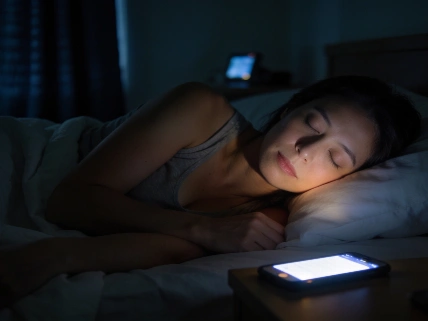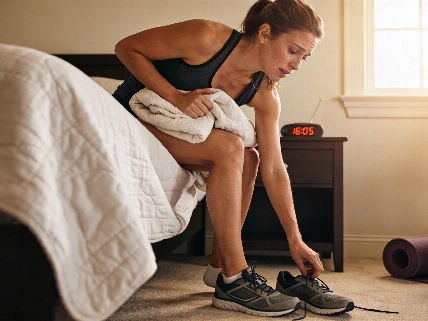
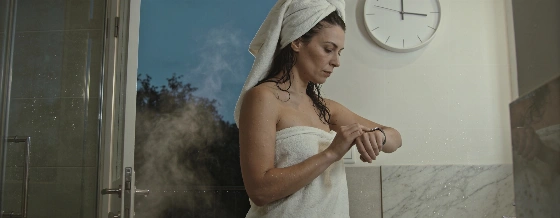
A cardiologist says a simple evening shower can help you sleep better—if you get the timing and water temperature right.
A warm shower in the evening sounds like an easy fix for bad sleep. But most people get it wrong. They shower at the wrong time, then wonder why they toss and turn all night. The science is clear: when you shower and how hot the water is both matter if you want real rest.
Dr. Aurelio Rojas, a cardiologist, doesn’t buy into vague wellness trends. He points to research showing that a shower 60 to 120 minutes before bed—not right before—can help you fall asleep over a third faster. That’s a bigger effect than most diet changes or even moderate exercise. The trick is to give your body time to cool down after the shower. That drop in temperature tells your brain it’s safe to relax.
A 2019 meta-analysis in Sleep Medicine Reviews found that a warm bath or shower 1–2 hours before bedtime is linked to shorter sleep latency and better subjective sleep quality.
Showering right before bed is a common mistake. Instead of relaxing, your body stays too warm and alert. You need to finish your shower at least an hour before you turn out the lights. Then let your skin cool off in a room set to about 65 degrees Fahrenheit. This drop in core temperature is what flips your brain’s sleep switch—not the shower itself.
Researchers at the University of Texas at Austin looked at 17 studies. They found the best results came from showers or baths between 104 and 108.5 degrees Fahrenheit (40–42.5 °C), lasting at least 10 minutes. The effect is strongest if you stick to that 1–2 hour window before bed. If the water is too hot, too late, or the shower is too short, you lose the benefit. In summer, or if you overheat easily, a lukewarm shower can still help—as long as you avoid scalding water. According to a Men’s Health Italia summary, these details matter most for falling asleep faster and sleeping better.
Here’s what’s happening in your body. Warm water makes blood vessels near the skin open up, so heat escapes. As you cool down, your brain gets the message: it’s time to sleep. This cooling also helps balance hormones like melatonin and cortisol, which control your sleep cycle. The payoff is not just falling asleep faster, but getting deeper, more efficient sleep.
Independent sleep hygiene reviews emphasize that a warm shower or bath should be a calming ritual before bed, not something done immediately before lying down. Allowing time for natural body cooling is key for optimal sleep onset.
Public health agencies in the U.S. give the same advice. They warn against hot showers or baths in the two hours before bed. The goal is to avoid overheating, then let your body cool off in a dark, quiet, slightly chilly room. This works better than sleep supplements or trendy gadgets.
People who already focus on healthy routines often miss the basics. As reported earlier, even small mistakes—like bad posture on walks—can have a big impact on health. The same goes for sleep. The details of your evening routine matter more than most people think.
Dr. Rojas calls the evening shower one of the best science-backed tricks for better sleep and healthy aging. It’s not just about getting clean. It’s about using your body’s own signals to unlock better sleep, sharper focus, and longer health. In a world full of complicated fixes, sometimes the simplest habits—done at the right time—work best.
Good sleep hygiene is key for both mind and body, but it’s often misunderstood. Real sleep hygiene is more than blackout curtains or putting away your phone. It means syncing your body’s natural rhythms with your habits and environment. That includes when you get light, when you eat, and yes, when you shower. When these cues line up, your brain’s sleep system works as it should. Restful nights become the norm, not the exception.