

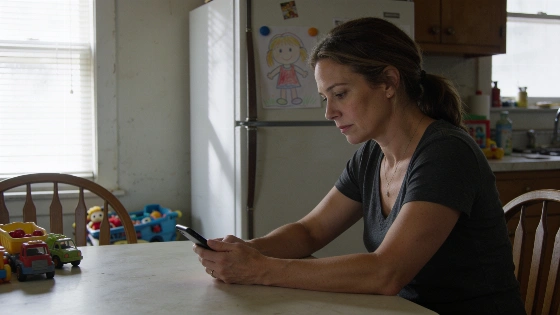
A woman’s husband moves out after years of struggle, keeps sending money, blocks her calls, and won’t file for divorce. A psychologist unpacks the emotional and relational patterns at play
Fifteen years into marriage, after surviving addiction, financial stress, and raising a child with autism, Anna’s husband abruptly moved out. He stopped drinking three years ago, rebuilt trust, and the family finally found stability. Then, without warning, he announced he no longer loved her, rented an apartment, and cut off all direct contact—except for sending money and seeing their son. He blocked Anna’s number and avoids any conversation about the future. He won’t return, but he also refuses to file for divorce. Anna, 46, is left in limbo, trying to make sense of his actions and her own next steps.
According to Psytheater.com, this pattern is not rare in long-term marriages that have weathered repeated crises. When a partner’s life has revolved around overcoming addiction or constant emergencies, the end of those battles can bring unexpected emptiness. The drive to “fix” or “save” is gone, and with it, the sense of purpose. For some, this triggers a midlife crisis—questions about meaning, happiness, and identity surface. The partner who leaves may feel lost, unsure what they want, and unable to articulate their needs. They may distance themselves emotionally and physically, yet avoid finality by refusing divorce. This ambivalence is often a sign of unresolved internal conflict, not just relationship fatigue.
Years spent in survival mode can also erode intimacy. Couples become teammates in crisis management, not partners in affection. Emotional distance grows quietly, masked by daily logistics and caregiving. When the emergencies stop, the lack of connection becomes impossible to ignore. Rebuilding closeness requires conscious effort, not just the absence of chaos. As explored in this analysis of lost intimacy in marriage, many couples discover too late that their bond has become transactional, not emotional.
Another layer is codependency. In families shaped by addiction, roles become rigid: one partner rescues, the other is rescued. When addiction ends, the dynamic collapses. The partner in recovery may crave autonomy, while the other struggles to redefine themselves outside the caretaker role. Therapy can help both partners recognize these patterns and build healthier boundaries. For Anna, this means shifting focus from her husband’s choices to her own identity, interests, and well-being. It’s not about forcing reconciliation, but about reclaiming agency and self-worth.
Experts recommend that anyone in Anna’s position seek support—not just for the marriage, but for themselves. Individual therapy can clarify whether codependency is at play and help rebuild a sense of self beyond spouse and parent. Support groups for partners of people with addiction or for parents of children with autism can also provide community and perspective. The goal is not to restore the old relationship, but to create a new foundation for personal stability, regardless of the partner’s decisions.
Recent data from the National Institute of Mental Health shows that nearly 20% of U.S. adults experience a mental health condition each year, and family stressors—such as addiction, caregiving, and chronic conflict—are major contributors. Divorce rates remain highest among couples who have faced repeated crises, but research also indicates that individual therapy and support can significantly improve outcomes for both partners and children. Recognizing the signs of emotional exhaustion, codependency, and midlife crisis is a critical first step toward recovery and healthier relationships.
Codependency is a complex relational pattern where one person’s sense of self becomes entangled with another’s needs, often at the expense of their own well-being. It is especially common in families affected by addiction or chronic illness. Treatment typically involves individual therapy focused on boundaries, self-care, and identity work. Support groups such as Al-Anon or Codependents Anonymous offer additional resources for those seeking to break free from these cycles and build more balanced, fulfilling connections.