
Many Americans struggle to fall asleep but overlook how their bedroom setup fuels restless nights. From screens to clutter and even pets, certain items can quietly disrupt your brain’s ability to wind down and recover.
For many people who can’t fall asleep, the problem isn’t just stress or caffeine. It’s often the bedroom itself. The things we keep in our bedrooms—and the habits we bring with us—can quietly undermine our ability to rest.
Walk into a typical bedroom at night and you’ll probably see a glowing phone, a TV, maybe even a laptop on the nightstand. These screens do more than tempt you to scroll; they actually interfere with your brain’s production of melatonin, the hormone that helps you fall asleep. Blue light from screens, even at low levels, can throw off your body’s natural sleep rhythm. A Harvard Medical School study found that even dim room lighting before bed can suppress melatonin and shorten its duration by about 90 minutes. Our internal clocks are more sensitive to evening light than most people realize.
The National Institutes of Health explains that light is the main cue for our biological clocks: melatonin rises in darkness, but bright artificial light in the evening can disrupt this process and make falling asleep more difficult.
— NHLBI
Electronics aren’t the only problem. Bedrooms packed with souvenirs, paperwork, or piles of laundry create visual clutter that keeps your mind alert. A messy room signals unfinished business, not rest. Sleep specialists point out that even a stack of bills or work folders can trigger anxiety and keep your mind active long after the lights are out. Clinical guidelines note that clutter in the bedroom can fuel pre-sleep anxiety by reminding you of tasks left undone.
Some people keep their phones nearby as alarm clocks, but that’s a slippery slope. The urge to check notifications is always there. Experts suggest using a simple alarm clock and leaving your phone in another room. This small change can help you reclaim your bedroom as a place for sleep, not for checking emails at midnight. The American Academy of Sleep Medicine recommends removing devices from the bedroom or at least keeping them away from the bed to reduce nighttime distractions.
Pets are another factor. For some, a dog or cat in the bed is comforting. For others, pets’ movements or noises can break up sleep and leave you tired in the morning. If your pet helps you relax, keep them close. If not, it may be time to set some boundaries. Research in Mayo Clinic Proceedings found that pet owners often report more fragmented sleep and lower sleep quality, though the effect depends on the person and the pet.
Recent systematic reviews in sleep medicine have shifted the focus from just blue light to a more complex model: evening screen use disrupts sleep not only through light exposure but also by increasing behavioral arousal from content, notifications, and the habit of staying online.
— Sleep Medicine Reviews
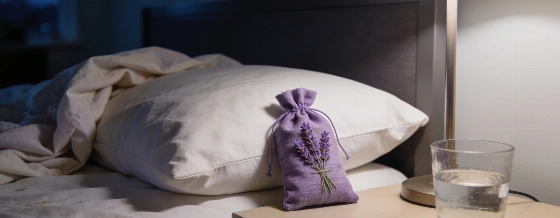
There’s no shortage of advice about sleep hygiene, but the basics are often ignored. A bedroom should be simple: a comfortable mattress, clean sheets, and as few distractions as possible. No TV, no laptop, no piles of paperwork. The more your bedroom feels like an office or storage space, the less your brain connects it with rest. Even well-meaning rituals, like keeping lavender by the bed, can backfire if they add to the clutter or become another thing to worry about.
Sleep clinics keep rooms bare for a reason. The science is clear: your environment shapes your sleep. If you want to wake up rested, start by removing the things that keep your mind busy. The bedroom isn’t a second office, a storage closet, or a digital lounge. It should be a place your brain recognizes as a cue to let go.
Too often, sleep is treated as an afterthought, and people wonder why they wake up tired. Reclaiming your bedroom from screens, clutter, and stress isn’t a luxury—it’s essential for your health. The evidence is strong, and the solution is straightforward. Strip your bedroom down to what you need for rest, and you might finally experience real, deep sleep.
Melatonin, the hormone that signals sleep, is produced in darkness and suppressed by artificial light, especially the blue light from screens. While supplements are common, most sleep experts agree that changing your environment—reducing screen time and keeping the bedroom dark and uncluttered—is more effective for healthy sleep. Creating a sleep-friendly bedroom is a basic step for anyone struggling with insomnia or restless nights. Research shows that using electronic devices in the evening is linked to falling asleep later and poorer sleep quality, especially in teens and young adults. For more on how blue light and evening routines affect sleep, see this multi-source empirical synthesis.