
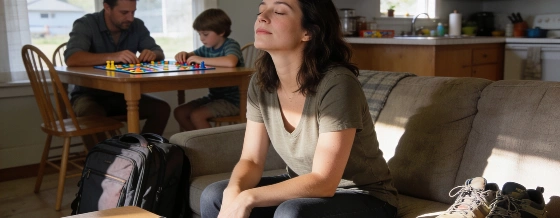
If you come back from time off feeling more exhausted than before, you’re not alone. Experts say true rest depends on six overlooked factors that go far beyond sleep or a change of scenery
Americans crave vacations that actually recharge them, but too often, the reality is a letdown. You take time off, maybe travel, maybe stay home, but by the time you’re back at work, you feel just as depleted—or worse. The problem isn’t just about not sleeping enough or failing to unplug. According to experts in occupational stress and positive psychology, real recovery is built on six pillars that most people ignore.
Researchers call this the DRAMMA model. It stands for Detachment, Relaxation, Autonomy, Mastery, Meaning, and Affiliation. Each pillar targets a different psychological need. If your vacation doesn’t hit most of these, the “recharged batteries” effect fades fast. As Top Santé reports, the science behind DRAMMA comes from a review of over 350 studies on leisure and well-being, published in the Journal of Happiness Studies. The findings are clear: time off only restores you if it meets these deeper needs.
Detachment is the first hurdle. Most people never fully disconnect from work. Email, Slack, and even casual talk about the office follow us everywhere. The mental load doesn’t vanish just because you’re on a beach or hiking a trail. Add to that the pressure to “make the most” of every day—packing in activities, family obligations, sightseeing—and you end up with a different kind of exhaustion. Many describe their vacations as a marathon, not a break.
Health data backs up the need for real breaks. The Framingham Heart Study, a landmark U.S. project, found that women who rarely took vacations had a much higher risk of heart disease than those who took regular time off. But you can’t stockpile rest. Small, regular breaks—on weekends or evenings—help maintain the benefits. The key is quality, not just quantity.
Six Pillars of True Recovery
So what does DRAMMA look like in practice? Detachment means mentally stepping away from work. That might require setting up clear handoffs, writing a real out-of-office message, and turning off notifications. Relaxation is about letting your body and nervous system slow down—think gentle walks, naps, or simply doing nothing for a while. Autonomy is the freedom to choose your own pace and activities, not just following someone else’s plan.
Mastery is often overlooked. It’s the sense of learning or accomplishing something new, even if it’s small—like trying a new recipe, finishing a puzzle, or hiking a new trail. Meaning is the feeling that your time off matters to you personally, not just as a break from work. Affiliation is about the quality of your connections, whether that’s deep conversations with loved ones or meeting new people in a low-pressure setting.
In reality, most people only hit two or three of these pillars. For example, you might relax and spend time with family, but never feel autonomous or detached. Or you might master a new skill but feel isolated. The more pillars you activate, the more likely you are to return to work with real energy and focus.
Making It Work
Experts suggest starting with detachment. Prepare for your absence by making lists, setting boundaries, and communicating clearly with colleagues. Consider a digital detox—set specific times when you won’t check email or social media. For relaxation, keep a regular sleep schedule and allow yourself short naps. Don’t overschedule your days. Give yourself permission to do less.
Autonomy can mean saying no to certain invitations or co-creating your plans with family instead of just going along. Mastery might come from a creative workshop or a physical challenge that’s right for your level. For meaning and affiliation, plan a few standout moments: a screen-free dinner, a real conversation, or a project that feels important to you. These moments don’t have to be big—they just have to matter.
It’s easy to fall into the trap of thinking more activities or more sleep will fix your fatigue. But as recent research on self-doubt and recovery shows, the quality of your downtime matters more than the quantity. The DRAMMA model offers a practical, science-backed way to rethink how you approach time off—so you can actually come back restored, not just distracted.
While the DRAMMA model focuses on vacation recovery, the concept of detachment is central to burnout prevention and emotional health. Detachment doesn’t mean apathy or avoidance—it’s the ability to mentally step back from work stress, even briefly. Building this skill can help protect against chronic exhaustion, improve sleep, and make it easier to set boundaries in daily life. Many therapists now coach clients on micro-detachment strategies, such as mindful transitions between work and home, or short digital breaks, to support long-term well-being.